Organisers of a sports-related break
You’re looking for a plant-based option that provides protein for attendees, while deciding between something to share, a spread to serve or individually wrapped portions.


For a conference break, choose almonds if you want a simple snack, peanut butter if you’re planning a spread, or bars if individually portioned servings are your priority. Compare the protein in the portion you’ll actually serve, then check the ingredients, allergens and buffet arrangements. No single format meets all these requirements.
You’re looking for a plant-based option that provides protein for attendees, while deciding between something to share, a spread to serve or individually wrapped portions.
You need to identify the ingredients in the products you buy and organise the serving of foods containing allergens, including almonds and peanuts.
You want to count portions easily, without assuming the amount of protein served from the product name or a ‘high-protein’ claim alone.
First decide how the food will be served, then compare the nutritional values per 100 g and per planned portion. Dried fruit and nuts aren’t interchangeable when you’re buying with protein in mind: Anses lists almonds and peanuts among plant-based sources of protein.
| What matters | What to check | Who is it for? |
|---|---|---|
| Protein per portion | Compare the protein per 100 g with the amount that will actually be served. Under the EU regulation published on EUR-Lex, the claim ‘high protein’ has a separate criterion: at least 20% of the product’s energy must come from protein. | If the break needs to offer a clear source of protein, the amount per portion matters more than the product name alone. This would be the top priority for around 29% of consumers. |
| Allergens | Check the ingredients, allergens and any ‘may contain’ statements for each product. Prepare information for attendees and provide separate utensils. | When several foods are served at the same buffet, it’s essential to know what each dish contains and avoid sharing utensils. Around 29% of consumers would make allergen management their top priority. |
| Nutritional profile | Compare protein, energy, sugars, fat and salt on the same basis, then relate these values to the planned portion. | When putting together a buffet, some consumers look at sugars, salt and energy as well as protein, rather than relying on a high-protein claim alone. This would be the top criterion for around 24% of them. |
| Serving format | Choose between wrapped portions, almonds to portion out and a spread to serve. Check pack sizes and make sure you have the equipment you need. | If attendees need to pick up their snack quickly, portioning and buffet handling become the main priorities. Around 18% of consumers would make this their main requirement. |
The term covers different products, and the number of grams of protein per 100 g isn’t enough to substantiate a ‘high-protein’ claim. For this claim, the EU regulation published on EUR-Lex requires at least 20% of the product’s energy to come from protein.
Compare the label on the exact product and work out what the planned portion provides, rather than choosing based on a general product name.
Almonds and peanuts need particular care at a buffet. In France, Decree No. 2015-447, published on Légifrance, covers allergen information for non-prepacked food.
Keep the information for the products you buy, identify what’s served in each container and use separate utensils to reduce the risk of food being mixed.
Individual bars make it easier to count portions, but recipes and nutritional values vary from one bar to another.
Check the protein, sugars, salt and allergens per bar before comparing this format with almonds or a peanut-based spread.
These examples can help you compare specific formats and recipes; they don’t represent the entire range at each retailer.
Carrefour’s product listing for Menguy's peanut butter with added protein describes a recipe containing peanuts and pea protein.
The Couleurs Vives unsalted roasted almonds are an option to consider if you’re looking for an almond-based snack.
Auchan’s listings make it possible to compare Menguy's 100% peanut butter with Menguy's peanut butter with added protein.
Lidl’s Alesto range includes plain nuts, dried fruit and savoury snacks.
Aldi lists 200 g bags of Trader Joe's blanched, unsalted almonds.
Monoprix Courses lists organic blanched almonds from Damiano, supplied by Naturalia.
These products suit two ways of organising your break: handing out peanut bars or using unroasted peanuts as an ingredient in a prepared dish. If you choose unroasted peanuts, make sure you prepare them appropriately before serving.
 Image unavailable
A 55 g bar makes it easy to plan an individual portion for your break. Before serving it to attendees, check the pack for the protein per bar, other nutritional values and allergen information.
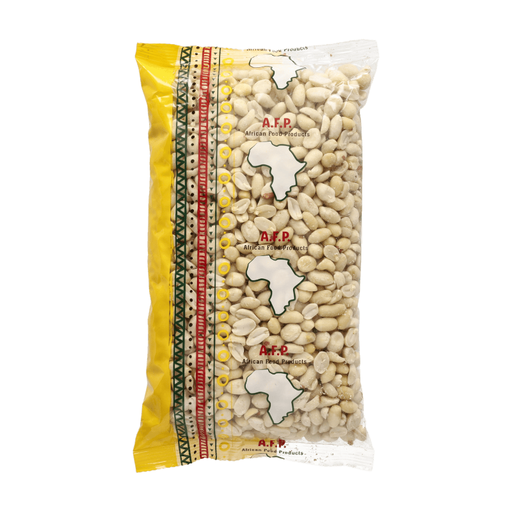 Image unavailable
This 800 g bag is suitable for a buffet made with peanuts. The product is unroasted, so don’t serve it as a ready-to-eat snack. Check how it should be prepared and make sure you provide information about the peanut allergen.
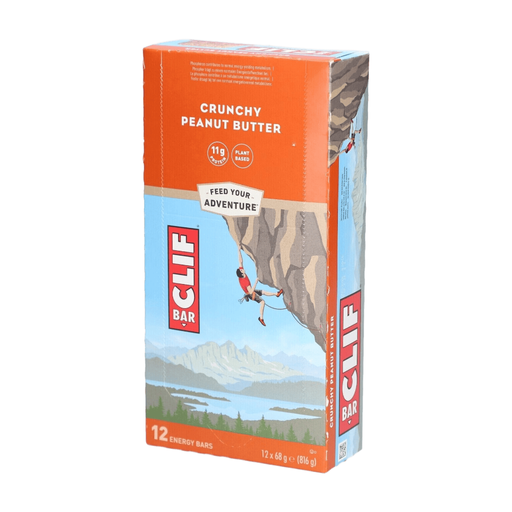 Image unavailable
This pack of 12 68 g bars makes it easy to count the portions you’ll be handing out. Check the protein and sugars per bar, then review the pack’s allergen information before adding it to the buffet.
Not based on the grams of protein per 100 g alone. Under the EU regulation published on EUR-Lex, the ‘high protein’ claim requires at least 20% of the product’s energy value to come from protein. Check the label of the product in question.
Start by comparing nuts and oilseeds, particularly almonds and peanuts, which Anses lists among plant-based sources of protein. Then check how much protein the portion you’re actually planning to serve provides, rather than assuming that all ‘dried fruit’ has the same nutritional profile.
Identify the products being served and make sure allergen information is available. In France, Decree No. 2015-447, published on Légifrance, covers consumer information about allergens in non-prepacked food. Keep details of the products you’ve bought accessible to staff and avoid using the same utensils for different containers.
No. A bar is particularly useful when you need individually portioned servings, while almonds can be portioned out for a buffet. To choose between these formats, compare the protein per portion, other nutritional values, allergens and serving requirements. Don’t assume a particular product type will aid recovery.