
Livraison le jour même ou le lendemain

Qualité garantie

Débloquez vos offres de bienvenue: Livraison GRATUITE | Jusqu'à -80 % | 30 jours d'essai gratuits à JoyPlus
Téléchargez l'application
A conditioner shouldn't be chosen solely for its scent or the promise on the bottle. A formula that's too rich can weigh down fine hair, while a treatment that's too light will leave dry hair difficult to detangle. British shoppers also have to navigate sometimes vague claims like "repair", "intense nutrition" or "professional effect".
Before you buy, three common pitfalls keep cropping up:
For dry, curly or very dehydrated hair, go for a creamy texture containing conditioning agents, glycerin, oils or plant butters. Fine hair will generally prefer a lightweight hydrating conditioner, applied only to the mid-lengths and ends.
Curly hair needs a detangling treatment that makes styling easier without breaking the curl's spring. The Avril conditioner for curly hair, for example, contains organic linseed oil and is listed as silicone-free on its product page.
The ingredients list lets you check what the formula actually delivers:
A 200 ml bottle can work for occasional use or for trying a product. A 450 ml format is better value for a regular routine. Also check the leave-in time: some treatments rinse out after a few seconds, while a repairing conditioner for damaged hair needs two to three minutes.
To avoid waste, gently squeeze out excess water from your hair after shampooing, then apply a small amount to the mid-lengths and ends. Roots should generally be avoided unless stated otherwise.
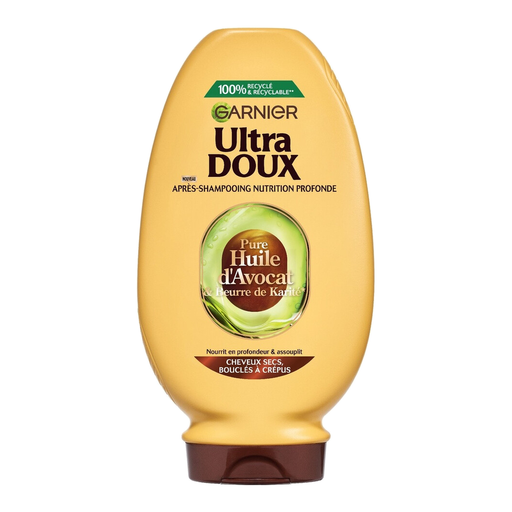
Why this choice suits this profile: With its 250 ml and formula designed for dry, curly to coily hair, this treatment works well for a simple, regular routine.
The product page recommends applying it to the mid-lengths and ends, which reduces the risk of weighing down the roots.
The formula lists avocado oil and shea butter; the detangling action makes styling easier.
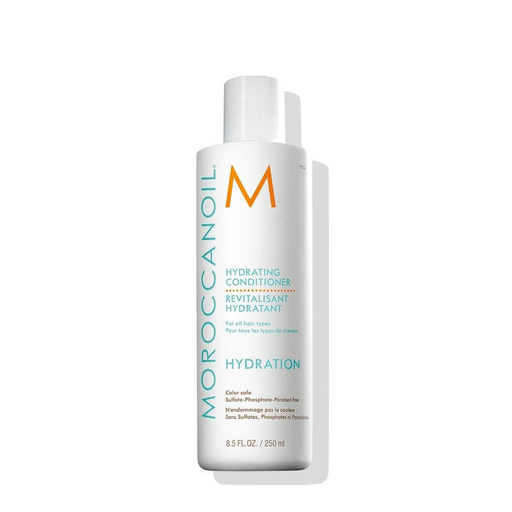
Why this choice suits this profile: This 250 ml formula targets dull or dehydrated hair and fits easily into a daily routine.
The product page recommends rinsing after one to two minutes – no need for a lengthy routine.
Argan oil, vitamins A and E and red algae are listed in the formula; it is presented as sulphate-free and phosphate-free.
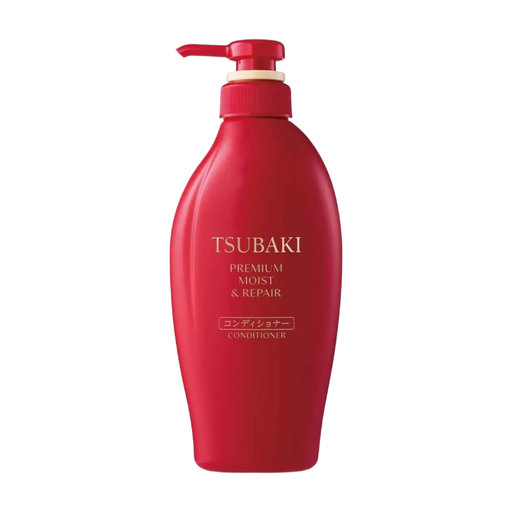
Why this choice suits this profile: Its 450 ml bottle and formula designed for dry, damaged or chemically treated hair make it ideal for frequent washing.
The product page recommends applying to the mid-lengths and ends, with two to three minutes' leave-in time for dry or damaged hair.
The formula contains camellia oil, glycerin and sodium acetylated hyaluronate; the presence of silicones is something to consider depending on your routine.
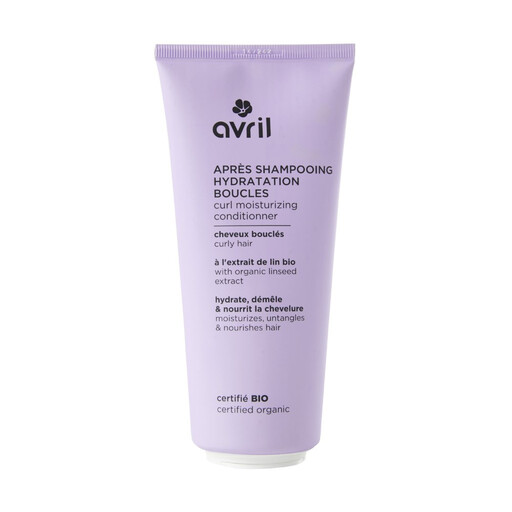
Why this choice suits this profile: Those with wavy, curly or textured hair who prefer a vegan, organic and silicone-free formula have precise information here to compare.
The product page states Cosmos Organic certification by Ecocert Greenlife, 99% naturally derived ingredients and no silicones.
Organic linseed oil; made in France and 200 ml format.
We've put together a full selection, updated in real time, of products that meet these selection criteria as well as European safety regulations.
It depends on your hair type and the shampoo you use. Dry, long, curly or coloured hair can benefit from regular application. For fine hair, a small amount on the ends each time you wash may be enough. If your hair quickly looks flat or greasy, reduce the amount or use it less often.
A standard conditioner usually works in anything from a few tens of seconds to a few minutes. Follow the manufacturer's instructions. Leaving the product on for longer doesn't guarantee better results and can make rinsing more difficult.
Go for a formula designed specifically for coloured hair and check whether it contains any filters or agents intended to preserve shine. Klorane Protecting Conditioner with Pomegranate, for example, is listed as silicone-free and formulated with pomegranate extract. For a re-pigmenting treatment, Kemon Yo Cond Color System products deposit a temporary shade. However, it's best to test the product on a small strand before first use.