
Livraison le jour même ou le lendemain

Qualité garantie

Débloquez vos offres de bienvenue: Livraison GRATUITE | Jusqu'à -80 % | 30 jours d'essai gratuits à JoyPlus
Téléchargez l'application
A conditioner shouldn’t be chosen solely for its scent or the promise on the bottle. A formula that’s too rich can weigh down fine hair, while a treatment that’s too light will leave lengths dry and difficult to detangle. To avoid disappointing purchases, it’s best to consider your hair type, the ingredients, the format and how you’ll use it.
Dry hair can lack water, oils, or both. A hydrating conditioner typically relies on humectants such as glycerin and other moisturising ingredients. A nourishing formula, on the other hand, contains plant oils and butters, for example avocado oil, shea butter or jojoba oil.
Choosing a very rich treatment for fine hair can leave it feeling heavy. Conversely, a lightweight formula may not be enough for curly, bleached or highly porous hair.
Claims like “repairing”, “professional” or “anti-split ends” indicate the treatment’s focus, but they don’t replace reading the ingredients list. A conditioner can temporarily smooth the hair fibre’s surface and make styling easier, without making an existing split end disappear.
The result also depends on how often you wash, your use of heat styling tools, hair colour and how long you leave the product on. Any numerical claims should be interpreted in light of the conditions stated by the brand.
A silicone-free formula isn’t automatically suitable for all hair types. Silicones can improve slip, make detangling easier and provide cosmetic protection to the fibre. However, some people prefer a silicone-free, vegan routine or one with a high proportion of naturally derived ingredients.
The label remains the reference: ingredient lists can change and should be checked on the packaging before use.
For a specific routine, check for the presence or absence of silicones, fragrances and declared allergens. Vegan formulas, free from animal-derived ingredients, meet a consumer preference but don’t alone determine the product’s cosmetic effectiveness.
Organic certifications and percentages of naturally derived ingredients should be checked against their specific standards and scope. They don’t necessarily mean the formula will suit all hair types.
A 200 to 250 ml bottle is good for trying a formula or alternating between several treatments. Sizes from 450 ml to 1 litre can be more practical for a family, long hair or frequent use. However, you’ll need to check the durability date and storage conditions.
Apply the conditioner to the lengths and ends, leave it on as directed on the instructions, then rinse thoroughly. Avoid contact with the eyes and stop using it if irritation occurs.
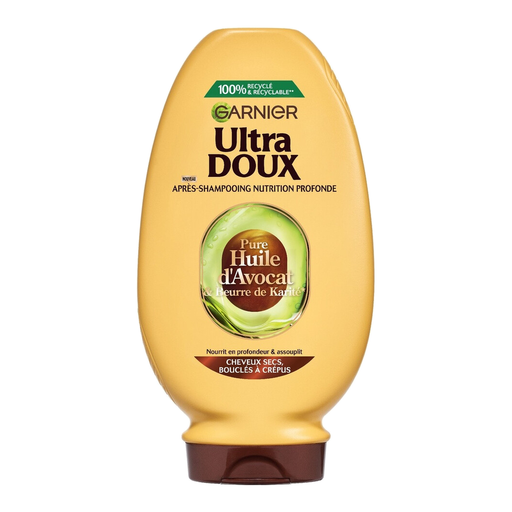
Why this choice suits this profile: Its 250 ml size lets you try a routine for dry, curly to coily hair without committing to a large bottle straight away.
The description specifies application to the lengths and ends, which limits the risk of weighing down the roots.
Avocado oil, shea butter and a claimed detangling action for dry and textured hair.
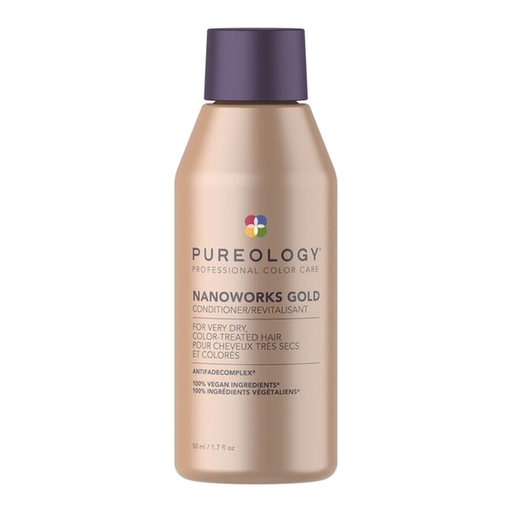
Why this choice suits this profile: This small size is ideal for a premium routine or for trying it before moving to a larger size.
The travel size prevents you from stockpiling an expensive treatment that might not suit your desired texture.
Claimed vegan formula, free from sulphates, parabens and mineral oil, designed for very dry and coloured hair.
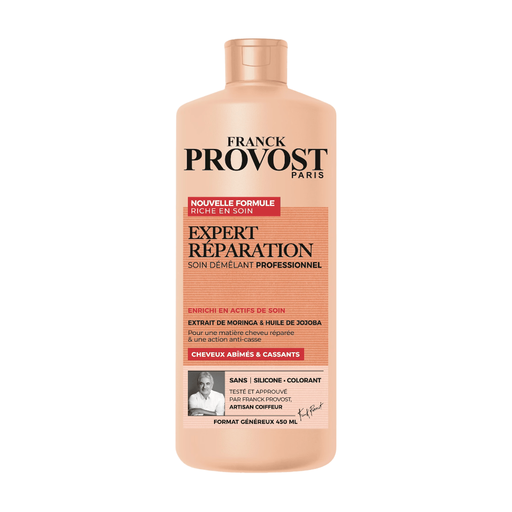
Why this choice suits this profile: Its 450 ml pump bottle fits easily into a regular routine for dry, brittle or weakened hair.
The formula is stated as silicone-free, which meets a clearly identified preference rather than a vague promise.
Moringa extract, jojoba oil, a claimed leave-on time of 2 to 3 minutes and a generous size.
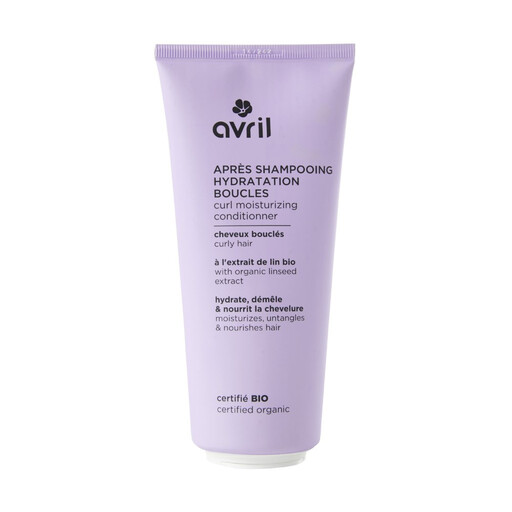
Why this choice suits this profile: It targets wavy, curly and textured hair looking for flexibility, definition and easier detangling.
The instructions recommend a small amount on the lengths and ends, with a short leave-on time to limit any weighing-down effect.
Vegan formula, silicone-free, Cosmos Organic certified by Ecocert Greenlife, with a claimed 99 % naturally derived ingredients.
We’ve put together a comprehensive, real-time updated list of products that meet these demanding selection criteria and European safety regulations.
For very damaged hair, a professional conditioner or a more concentrated treatment can complement your routine, without necessarily being used every time you wash.
Yes, if your lengths are dry, curly, coloured or hard to detangle. Fine hair may need a smaller amount or application every other wash. Unless stated otherwise, it’s generally unnecessary to apply it to the roots.
The time depends on the formula. Many products recommend a leave-on time of one to three minutes. Leaving it on longer doesn’t guarantee a better result: follow the instructions and rinse thoroughly.
Conditioner is designed to make detangling easier and leave hair feeling soft after washing. A mask usually has a richer texture and requires a longer leave-on time. You can alternate between the two depending on the condition of your lengths and your washing habits.