
Livraison le jour même ou le lendemain

Qualité garantie

Débloquez vos offres de bienvenue: Livraison GRATUITE | Jusqu'à -80 % | 30 jours d'essai gratuits à JoyPlus
Téléchargez l'application
Dry, brittle, dull hair? It's a daily nightmare. Faced with shelves overloaded with promises, finding the right conditioner for damaged hair often feels like an uphill battle. We fall for a product touting a miracle ingredient, only to end up with hair that’s weighed down or, even worse, just as dry as before.
As a product expert at Joybuy, my mission is to help you decode labels and avoid marketing traps. Before you make your choice, let's review the common mistakes that lead to a disappointing purchase.
To choose a product that delivers on its promises, you need to learn to read between the lines, far beyond the slogans on the packaging. Here are the technical points to check for a treatment that truly works on dry and damaged hair.
A conditioner's effectiveness lies first and foremost in its ability to detangle and soften the hair fibre. To do this, the formula must include quality agents, often fatty alcohols or quaternary ammonium salts. Look for names like:
These ingredients are the true foundation of a good conditioner for brittle hair. They are far more important than the plant extract proudly displayed on the packaging.
For a restorative action, the product must contain ingredients capable of penetrating the hair fibre to strengthen it from within. These actives help fill gaps in the cuticle and restore the hair's internal structure. The most common are:
Understanding the role of each treatment is key to avoiding disappointment.
Rather than an endless list, here are a few products that meet specific needs, all selected according to the criteria we've just discussed.
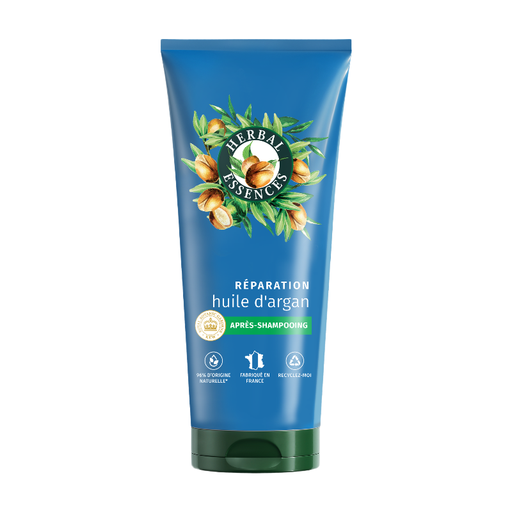
Why it stands out: Perfect for those who want a simple and effective daily solution. It tackles dryness and repairs without weighing down your routine, with a proven formula to soften and nourish.
It doesn't rely solely on argan oil. Its formula includes true conditioning agents like Stearyl Alcohol and Behentrimonium Methosulfate, which guarantee easy detangling and immediate softness.
Its Bio:Renew formula, with active antioxidants and naturally derived ingredients, is an excellent ally for repairing and softening hair on a daily basis.
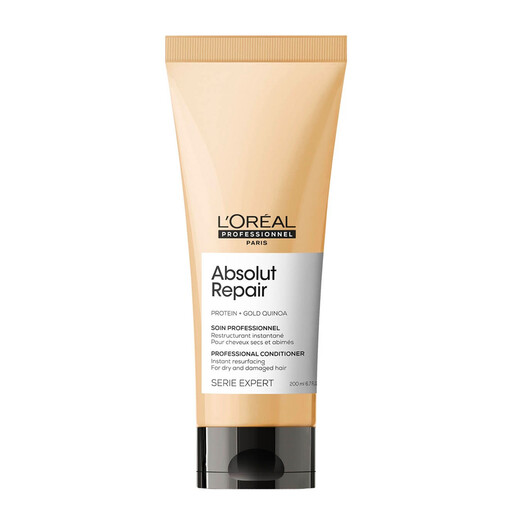
Why it stands out: This is the solution for severely damaged hair, especially from colouring or bleaching. It's aimed at those who want near-professional results and a visible restructuring of the hair fibre.
It goes far beyond a superficial fix. It incorporates powerful actives like golden quinoa seed extract and hydrolysed wheat protein to rebuild the fibre from within and provide lasting repair.
A professional formula that restructures very damaged hair. The brand's promise: a reduction in surface damage and a boost in shine, for softer, stronger hair.
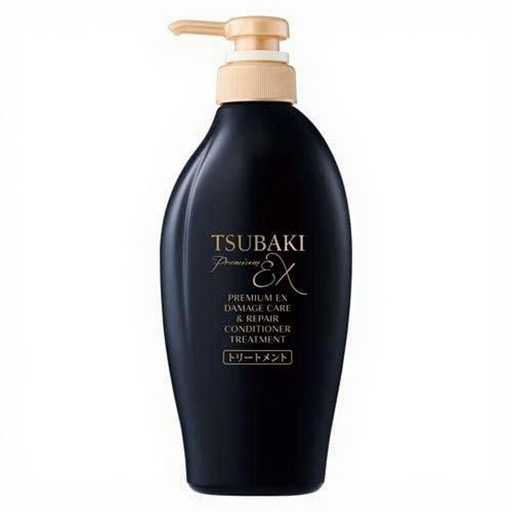
Why it stands out: Inspired by Japanese beauty rituals, this is perfect for those seeking an intensive treatment for highly sensitised hair (from colouring, straightening, etc.).
More than just a conditioner, this is a true treatment. It combines premium conditioning agents (Behentrimonium Chloride) with a blend of precious active ingredients (camellia oil, royal jelly, soy protein) for deep repair.
Its salon-inspired technology penetrates the core of the hair fibre to repair it. The promise: transformed hair that is softer and shinier from the very first use.
Our team has selected a full range of treatments that meet our standards for quality and effectiveness.
A conditioner is a frequent-use product that works mainly on the surface to smooth the hair's cuticles, aid detangling, and provide a light dose of hydration. A mask, on the other hand, is a richer, more concentrated treatment packed with repairing actives. It requires a longer application time to allow the ingredients to penetrate deep into the hair fibre and restructure it.
Yes, most repairing conditioners are formulated for daily or frequent use. Their purpose is to maintain flexibility and protect hair from daily aggressors (brushing, pollution). Unlike an intensive mask, which could weigh hair down if used too often, a conditioner is an essential part of your washing routine.
Not necessarily. There are different types of silicones. Heavy, non-soluble silicones can build up and suffocate the hair fibre. However, lighter, water-soluble silicones (like those with names ending in "-cone" followed by "copolyol" or starting with "PEG-") can add shine and heat protection without weighing hair down. The key is to choose a balanced formula where any silicones are paired with genuine nourishing and repairing active ingredients.