
Livraison le jour même ou le lendemain

Qualité garantie

Débloquez vos offres de bienvenue: Livraison GRATUITE | Jusqu'à -80 % | 30 jours d'essai gratuits à JoyPlus
Téléchargez l'application
The industrial style, with its raw textures and clean lines, is here to stay. Concrete-effect peel and stick wallpaper has emerged as the ultimate design hack for embracing this trend without committing to a major renovation. Easy to apply, it can transform an accent wall, a kitchen backsplash, or even a piece of furniture in an instant.
But there's a catch: not all products are created equal. The gap between enticing product photos and reality can be huge. As a Product Expert at Joybuy, my mission is to guide you through the jungle of options. Here are the pitfalls to avoid and the essential criteria for making a successful choice.
The desire for a quick makeover can lead to an impulse buy. Watch out for these three common flaws that can ruin your project.
To ensure the best results, rely on objective technical criteria rather than marketing claims.
The choice of material is crucial for the durability and maintenance of your new wall.
A good easy-to-apply, no-glue wallpaper should have an effective adhesive that remains repositionable during application to correct small mistakes. The mention "repositionable" is an excellent indicator. Above all, do not underestimate surface preparation—it accounts for 50% of the project's success! The surface must be perfectly smooth, clean, dry, and non-porous. The slightest imperfection or speck of dust will show through and could cause bubbles.
The art of a successful concrete effect lies in subtlety. Opt for models with a slightly grainy texture to the touch and a pattern that incorporates variations in tone. A grey adhesive wall covering that plays on light and dark shades will look far more authentic than a flat, uniform colour. Bonus: this texture also helps to hide minor imperfections in the original wall.
Instead of just a long list, here are our targeted recommendations based on your project and skill level.
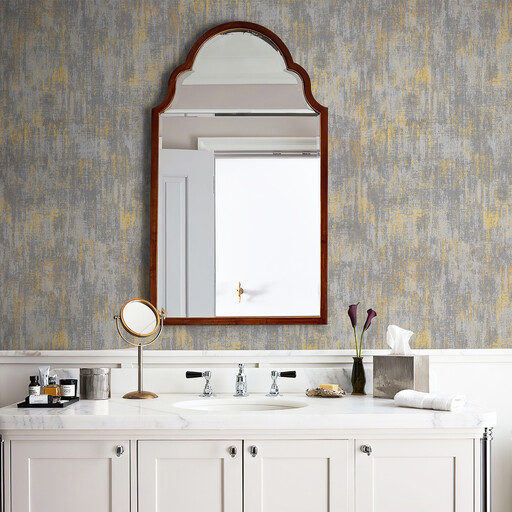
Why we chose it: Perfect for tackling a first project (accent wall, headboard...). Its discreet texture makes aligning the strips easy and forgives minor application errors. It's the ideal model to get the hang of it.
Its high-quality PVC and fine texture avoid the cheap "plastic" look pitfall. The adhesive is designed for smooth, well-prepared surfaces, ensuring a reliable hold.
Its fine texture makes the seams between strips almost invisible, a decisive advantage for beginners.
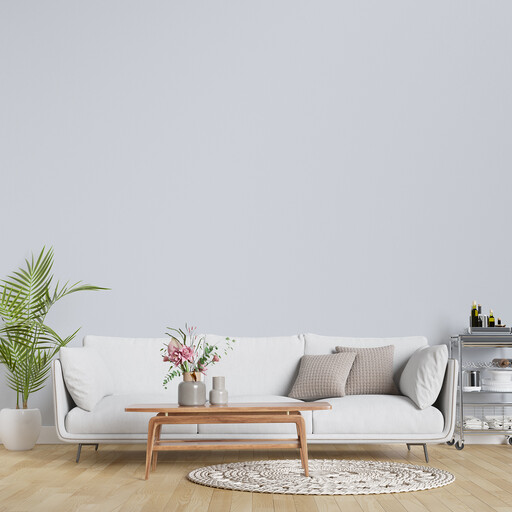
Why we chose it: Its 60 cm width is perfect for covering standard furniture surfaces (cabinet doors, desktops...) with minimal seams. Its PVC vinyl material makes it washable and resistant to daily wear and tear.
Its thick PVC is designed to withstand frequent cleaning without fading or peeling. Say goodbye to the risk of adhesive giving up on high-traffic surfaces.
Its washable surface and wide format (60 cm) are optimised for furniture. The result: a clean, professional finish on cabinet doors or secondary worktops.
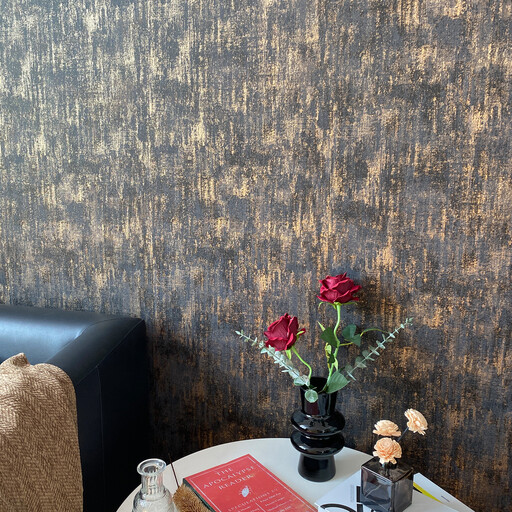
Why we chose it: Note that this is a non-adhesive, non-woven model. It's for those aiming for a durable result and a truly authentic matte finish. Its paper base offers a natural texture that vinyl can't match, for a strikingly realistic raw concrete effect.
Since it's non-adhesive, you control the quality of the glue, eliminating the risk of a faulty built-in adhesive. Its paper base with a deep matte finish absorbs light and permanently banishes the "plastic" effect.
A matte, textured finish that is stunningly realistic. It's the ultimate long-term solution for homeowners seeking an architectural and durable result.
Browse our complete selection of wall coverings to find the perfect shade and texture for your design project.
Yes, as long as you choose a PVC vinyl model designed to withstand moisture. However, you should avoid areas with direct and constant water contact (like inside a shower or the wall right behind a sink without a backsplash). For a kitchen backsplash, also check its heat resistance if you plan to install it near the hob.
The secret is in the method! Start by cleaning and drying the wall perfectly. Apply the wallpaper from top to bottom, peeling back only 10 to 20 cm of the protective film at a time. Use a squeegee (a small, flexible spatula) to smooth out air from the centre to the edges as you go. If a stubborn bubble persists, discreetly prick it with a fine needle to release the air.
It all depends on the quality of the wallpaper and the condition of the wall. On a sound, well-painted surface, a good quality adhesive usually comes off without leaving a trace. A tip to make removal easier: gently heat the surface with a hairdryer to soften the glue. The strip will peel off much more easily. For renters, testing on an inconspicuous area first is always the best precaution.