
Livraison le jour même ou le lendemain

Qualité garantie

Débloquez vos offres de bienvenue: Livraison GRATUITE | Jusqu'à -80 % | 30 jours d'essai gratuits à JoyPlus
Téléchargez l'application
The industrial style, with its raw textures and clean lines, is here to stay. To adopt this look without committing to major renovations, concrete-effect peel-and-stick wallpaper is an excellent solution. It's quick to apply and budget-friendly, transforming an accent wall, modernising a kitchen backsplash, or giving a piece of furniture a new lease on life. Be aware, however, that not all products are created equal. Navigating the options can quickly become a headache. Here is our guide to avoiding the pitfalls and making the right choice.
The desire for a quick makeover can sometimes lead to disappointment. To ensure your decorating project is a success, here are the points to check before you head to the checkout.
For a flawless result, here are the three technical specifications to examine before confirming your purchase.
The choice of material determines the durability of your wall covering and the rooms where it can be installed.
The final look of your wall largely depends on these two details.
Before any purchase, grab a tape measure and calculate the exact surface area (height x width) to be covered. Always allow for an extra 10% for cuts and adjustments. Standard rolls vary in width (often between 45 cm and 60 cm) and length (from 3 m to 10 m). A wider roll means fewer seams on a large wall, while a shorter roll will be more economical for a small project.
To put this advice into practice, here are some products that cater to different needs and projects.
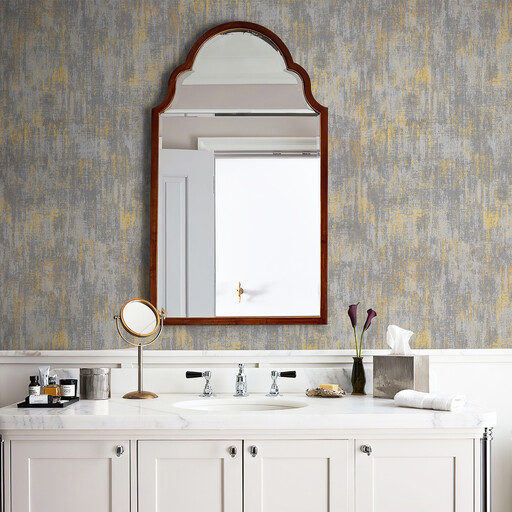
Why we chose it: Perfect for updating a piece of furniture, a cupboard door, or creating a small headboard. Its 3.05-metre length is ideal for these targeted projects, which prevents waste and unnecessary expense.
The "Peel & Stick" mention confirms that it is indeed self-adhesive. Made from PVC vinyl, it offers the necessary resistance for high-use surfaces like furniture doors, unlike overly thin films.
Dimensions optimised for furniture makeovers and small areas. Durable and easy-to-clean vinyl material.
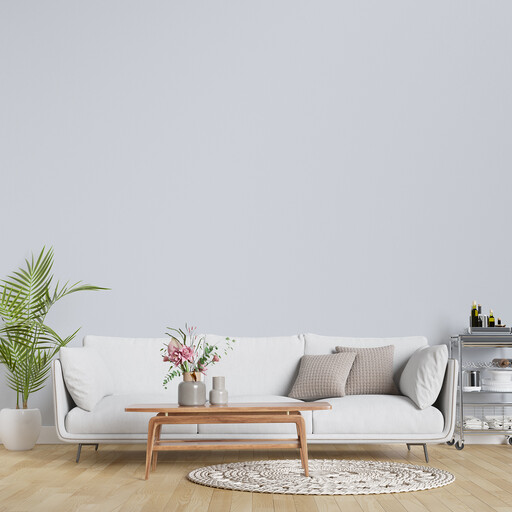
Why we chose it: For those who want to cover an entire wall or a large section. Its 60 cm width allows you to cover the surface more quickly and reduce the number of seams, which is essential for a uniform, professional look.
Its wider format and subtle texture are designed for walls, avoiding the 'patchwork' effect of overly narrow rolls. The quality PVC vinyl ensures a smooth and durable finish.
Wide format (60 cm) for fewer visible joints. A discreet texture that ensures a uniform finish.
Once your walls are transformed, lighting is the next step to perfect the atmosphere. Adhesive solutions also exist in this area for an equally simple installation.
After wall decor, it's time for lighting. Discover our selection of practical lighting solutions to enhance your new interior.
Its longevity depends on three key factors: the quality of the surface preparation, the quality of the wallpaper itself, and the environment. On a clean, dry, and smooth wall, a high-quality washable vinyl wallpaper can last for several years, even in a kitchen. In a very humid room or on a poorly prepped surface, it will obviously not last as long.
No. For optimal adhesion, the surface must be smooth, clean, dry, and non-porous. Painted walls (satin or gloss finish), melamine, glass, or smooth tiles are perfect substrates. Avoid textured walls (like popcorn or glass cloth), dusty surfaces, or freshly painted walls (wait at least 3 weeks for the paint to fully cure).
Generally, yes, but the result depends on the original condition of your wall. On good quality paint, removal is usually seamless. To make the process easier, you can gently heat the surface with a hairdryer to soften the adhesive, then carefully pull the strip from a corner. On fragile paint or a plaster wall, there is a real risk of pulling off small pieces of paint or the surface during removal.