
Livraison le jour même ou le lendemain

Qualité garantie

Débloquez vos offres de bienvenue: Livraison GRATUITE | Jusqu'à -80 % | 30 jours d'essai gratuits à JoyPlus
Téléchargez l'application
Compote is a true star of our kitchen pantries. As convenient for a kids' snack as it is for whipping up a simple and delicious fruit dessert, it is incredibly versatile. But with supermarket shelves overflowing with options, how do you choose? A glass jar or a squeezable pouch? Classic apple sauce or more adventurous flavours? With or without added sugar?
As a product expert at Joybuy, my mission is to help you make an informed choice. This guide breaks down the essential criteria and presents a selection of tested and approved products, all without the marketing jargon.
Before we dive into our selection, here are the key points to check to make the right choice.
Your first step should be to scan the ingredients list. A no-added-sugar compote (the official term) guarantees that the product only contains the sugars naturally present in the fruit. Be aware that the term "reduced sugar" indicates a reduction of at least 30% compared to a similar product, but does not rule out the presence of added sugars. For a truly healthy snack, look for the shortest ingredient lists: just fruit, and nothing else.
The choice of packaging depends entirely on your habits:
squeezable pouch: The ultimate on-the-go option, it is ideal for a child's school bag, a gym bag, or a quick break at the office. It can be enjoyed anywhere, no spoon required.Beyond the timeless apple sauce, brands are competing creatively with increasingly varied blends (pear, banana, red berries, etc.). The origin of the fruit is also a differentiating factor. Some brands highlight local supply chains or fruits from specific regions, which guarantees a unique flavour profile.
We have selected three products that stand out for their ingredients, format, or originality.
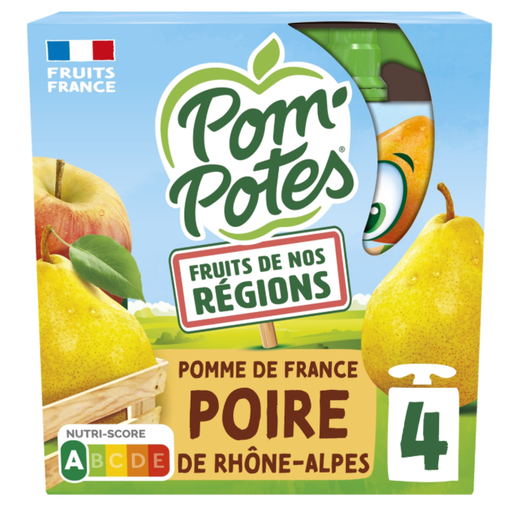
What sets it apart This flagship product from Pom'Potes focuses on simplicity and quality with a no added sugar recipe. It combines apples from France (59.9%) and pears from the Rh?ne-Alpes region (40%). Its smooth texture is perfectly suited for on-the-go consumption.
Highlights
Who is it for? For parents looking for a kids' snack that is both healthy and easy to pack, as well as for active adults seeking a fruity snack on the go.
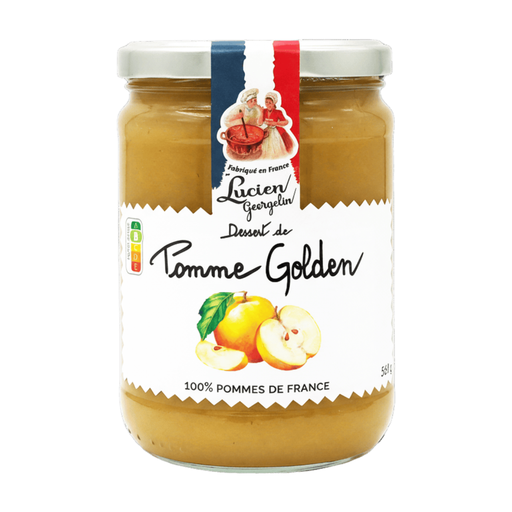
What sets it apart Lucien Georgelin delights us with a preparation that has the wonderful taste of homemade compote. Its strength? A record-high fruit content (92% apples) and just the right amount of sugar for a touch of sweetness. The gentle cooking process preserves all the flavour of the fruit.
Highlights
fruit dessert, it also enhances yoghurts, crêpes, and other pastries.Who is it for? For families and all lovers of simple, traditional products. It is also an excellent base for baking enthusiasts.
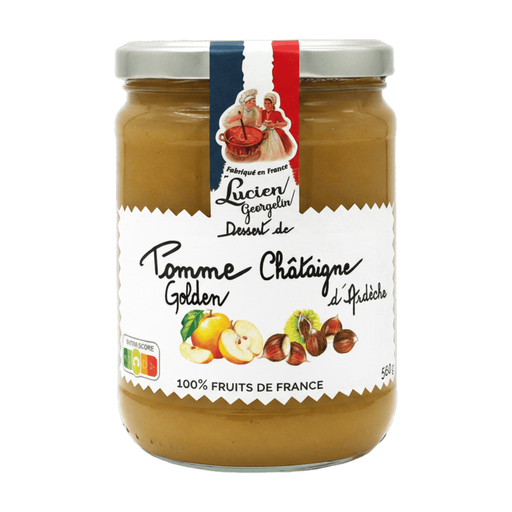
What sets it apart An original recipe that marries the sweetness of apple (48%) with the rustic character of Ardèche chestnuts (32%). The result is a rich and comforting dessert that offers a modern take on the traditional apple sauce.
Highlights
Who is it for? For those looking for a fruit dessert that is out of the ordinary, or for a touch of originality to enhance yoghurts, fromage blanc, and winter crêpes.
Our selection is just a taste, as the world of fruit desserts is vast. To discover other varieties, formats, or brands, feel free to browse our full range.
Discover all our compotes and fruit desserts
In France, the regulation is very clear. To be labelled "compote", a preparation must have a sugar content (natural and/or added) of at least 24%. Below this threshold, it is referred to as "fruit purée". This is why many no-added-sugar products are actually labelled "fruit purée" or "fruit preparation".
Rely solely on the ingredients list. If it only mentions fruit (for example, "apples 99.9%, concentrated lemon juice"), then the product is indeed free of added sugars. Do not be confused by the nutritional table: the "carbohydrates, of which sugars" line simply refers to the sugars naturally present in the fruit.
A compote, especially one with no added sugar, is an excellent source of fibre. However, a whole fresh fruit retains more vitamins (which are sensitive to heat) and promotes chewing, a key factor in feeling full. A compote is therefore a very practical alternative, but it should not systematically replace a fresh piece of fruit.