
Livraison le jour même ou le lendemain

Qualité garantie

Débloquez vos offres de bienvenue: Livraison GRATUITE | Jusqu'à -80 % | 30 jours d'essai gratuits à JoyPlus
Téléchargez l'application
With promises of an “instant boost”, doses that are hard to compare and ingredient lists that are sometimes incomplete, choosing vitamin and mineral supplements can quickly become a headache. But finding the right formula comes down to some very practical considerations: the nutrient you’re looking for, how much each dose actually provides, its form, whether it contains allergens and whether it fits with your diet.
This guide will help you avoid unnecessary purchases and identify options for a range of needs, including vegan or vegetarian diets, temporary tiredness, sports, and support for bones, muscles, hair or skin.
A higher dose doesn’t necessarily make a product the right choice. Check the amount provided by the recommended daily serving, rather than focusing on the amount in a single capsule or tablet. You can also compare it with the NRV (Nutrient Reference Value) for an adult.
Formulas containing several nutrients can also lead to you doubling up if you already take vitamin D, zinc, magnesium or a multivitamin.
The form of the nutrient is also worth checking. For example, you’ll find vegan vitamin B12 as methylcobalamin, vegan vitamin D3 sourced from lichen, and magnesium, zinc or iron bisglycinate.
These names don’t, by themselves, guarantee that everyone will absorb the nutrient better. But they do tell you exactly what the product contains and where it comes from, rather than leaving you to rely on a vague promise of “maximum bioavailability”.
A product can be vegan and still contain sugars, sweeteners, preservatives or allergens. Check the full ingredient list, including the capsule shell, flavourings, anti-caking agents and other excipients.
If you follow a restrictive diet, also check for gluten-free, lactose-free and GMO-free claims, as well as the absence of declared allergens. Always verify this information directly on the product label.
Work out how many days’ supply you’ll get based on the recommended dose, not just the number of capsules. For example, a bottle of 90 capsules will last 30 days if the daily serving is three capsules.
For iron, vitamin D or zinc supplements, don’t change the dose without medical advice, particularly if you’re pregnant, taking medication, living with a chronic condition or suspect you may have a deficiency.
Capsules are a simple, convenient option. Drops make it easier to adjust the dose, while chewable or effervescent tablets may be more practical if you find capsules difficult to swallow.
Check the minimum age and any specific recommendations too. A formula designed for adults may not be suitable for children or teenagers.
Look for product information that clearly details the ingredients, stated origin of the raw materials, manufacturer, maximum dose and storage instructions. A traceability code or full technical sheet can make it easier to check these details.
Food supplements are not a substitute for a varied diet or a balanced lifestyle. If you have persistent tiredness, unusual symptoms or are taking medication, ask a health professional for advice.
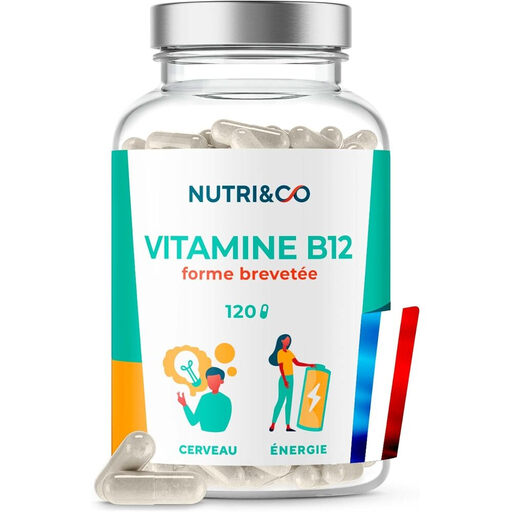
Why it suits this need: A simple formula for vegan or vegetarian adults who want to focus on vitamin B12 without adding lots of different products to their routine.
The product information states that each capsule provides 1,000 µg, with a plant-based capsule shell and no gluten or declared allergens. The maximum stated dose is one capsule every 24 hours.
120 capsules, methylcobalamin and a plant-based capsule. The product information outlines two different ways to take it, depending on your goal.
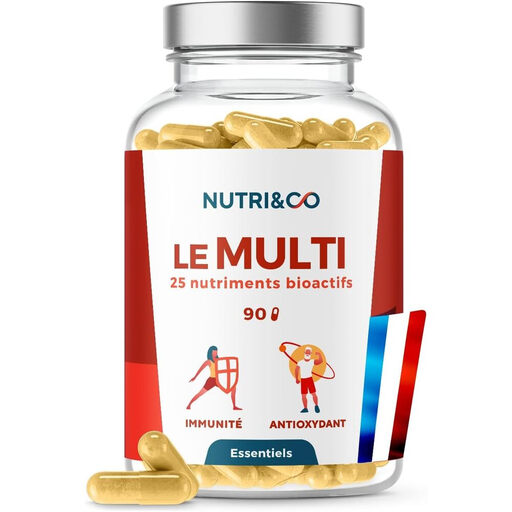
Why it suits this need: A comprehensive formula for anyone who prefers one product that covers several groups of vitamins and minerals.
The ingredient list names 25 nutrients and specifies that the formula contains no iron or copper. This makes it easier to compare with any targeted supplements you already take.
Vegan and gluten-free, with vitamins C, B, D3, E and K2, plus zinc and magnesium. The recommended serving is three capsules a day.
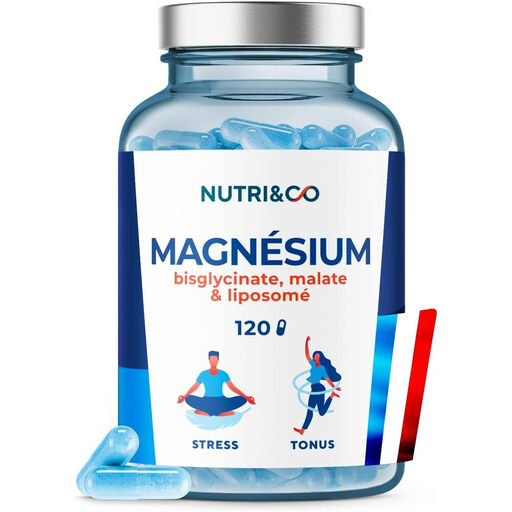
Why it suits this need: An option for active adults and sports enthusiasts looking for a combination of magnesium and vitamin B6.
The product information distinguishes between three sources of magnesium and states that a three-capsule serving provides 300 mg of elemental magnesium, rather than simply giving the total weight of the compound.
Plant-based capsules, with no gluten or magnesium stearate. According to the manufacturer, you can spread your intake throughout the day.
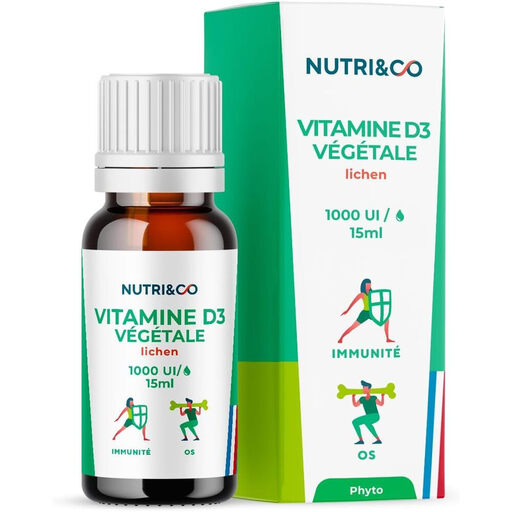
Why it suits this need: Its liquid format and plant-based source make it a good fit for people who avoid animal-derived ingredients.
The product information specifies that the vitamin D3 comes from lichen, not lanolin. The dose is clearly stated: 400 IU per drop and 800 IU for two drops.
A 15 ml bottle containing extra-virgin organic rapeseed oil, in a format described as vegan. The stated maximum dose is two drops a day.
We’ve put together a comprehensive, regularly updated list of products that meet these exacting selection criteria and comply with European safety regulations.
Start by checking which nutrients may be less abundant in your diet, beginning with vitamin B12. Depending on your diet and needs, you could also consider plant-based vitamin D3, iron or a multivitamin. The product information should clearly state that the product is vegan and give the recommended daily dose.
Magnesium bisglycinate is a form of magnesium bound to two molecules of glycine. The word “magnesium” on its own isn’t enough to compare two products. Focus on the amount of elemental magnesium per serving and the recommended dose.
It depends on the nutrient, the dose, your diet and what you’re hoping to achieve. Some products are designed to be taken for several weeks or months, while others are for occasional use. Stick to the stated dose, check that you’re not doubling up with other products, and seek medical advice if you plan to take a supplement for a long time or have specific circumstances.