Which criteria should you prioritise?
First, decide which appliance and capacity you need. Then compare its reference figures with models that offer a similar level of performance. After that, weigh up water use, noise, cycle duration or repairability according to how you’ll use it.
| Criterion |
What to check |
Who is it for? |
| Refrigeration appliances |
For fridges or freezers with a similar format and capacity, compare kWh per year, compartments and noise levels. |
When my fridge runs day and night, I want to choose a suitable capacity without overlooking its annual energy consumption; around 33% of consumers would make this their priority. |
| Washing cycles |
For models with a similar capacity, compare kWh per 100 cycles, water use per cycle and the duration of the reference programme. |
If I do laundry or washing-up often, I want to understand what each cycle means for my usage; this would be the priority for around 33% of consumers. |
| Capacity and convenience |
Check the capacity you’ll actually use, as well as noise, water use or cycle duration, depending on the appliance. |
In an open-plan kitchen or when I usually have smaller loads, I don’t want an appliance that’s too large or inconvenient to use; around 17% of consumers would put this balance first. |
| Screen and longevity |
For a TV, compare energy consumption, screen size and the modes shown on the label; check the relevant durability index. |
If I’m replacing a screen or want to keep an appliance that can be repaired for longer, I want to look beyond its energy rating; this need would come first for around 17% of consumers. |
The units on the label vary by category: according to the European Commission, refrigeration appliances show annual energy consumption, while washing figures are based on reference cycles. These figures alone therefore can’t tell you which purchase would make the biggest difference to your household’s energy use.
Brands to consider
There are no brands to feature in this section.
Refrigeration appliances to compare on Joybuy
These fridge-freezers and this freezer are relevant to the step of comparing appliances that run continuously. Before choosing, check the annual energy consumption on the label for the exact model and compare it only with appliances in a format and capacity suited to your needs.
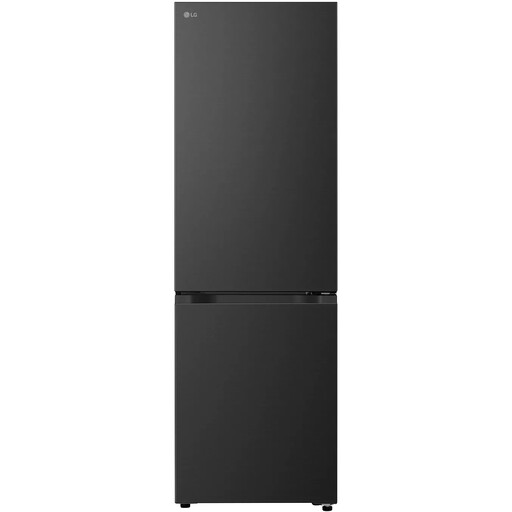 Image unavailable
LG GBBS312AEV, 333 L No Frost fridge-freezer
Worth considering if you’re looking for a fridge-freezer with the right capacity for your storage needs.
The product title states 333 L, No Frost and an A rating. Check the annual energy consumption on the label for the exact model and confirm the dimensions before comparing it with another fridge-freezer.
View on Joybuy
 Image unavailable
Candy CFQQ5T817EPS, 467 L four-door No Frost fridge-freezer
Consider this model if you need a large amount of storage space and a four-door layout.
The product title states 467 L and an E rating. Check the label for the exact model, then compare its overall size and annual energy consumption with appliances of a similar capacity.
View on Joybuy
 Image unavailable
Samsung RF50C530EB1, 495 L multi-door fridge
Worth considering if you need plenty of storage space, provided the format suits your kitchen.
The product title states 495 L and an E rating. Check the label for the exact model, and confirm the dimensions and installation requirements for the water and ice dispenser before buying.
View on Joybuy
 Image unavailable
Sonlu CC-520WE, 444 L frost-free fridge-freezer
Consider this model if you’re looking for a large capacity with a frost-free system.
The product title states 444 L, an E rating and 40 dB. Check the annual energy consumption on the label for the exact model and measure the space available before choosing this size.
View on Joybuy
 Image unavailable
Heinrich´s, 161 L No Frost freezer
Worth considering if you need a dedicated freezer rather than a fridge-freezer.
The product title states 161 L and a C rating. Check the annual energy consumption on the label for the exact model, then confirm its dimensions and noise level suit the space where you plan to put it.
View on Joybuy
Frequently asked questions
Can you compare the kWh figures for a fridge and a washing machine?
Not directly. According to the European Commission, the label for a refrigeration appliance shows annual energy consumption, while a washing machine’s label includes kWh per 100 reference cycles. First compare each appliance with models in the same category and with a similar capacity; these figures alone won’t tell you which replacement would make the biggest difference to your energy use.
Does the Eco programme predict how much energy my household will use?
No. It provides a standardised basis for comparing washing machines or dishwashers, not a figure specific to how you use them. How often you run cycles, the size of your loads and the settings you choose all affect your actual energy use.
What does a TV or washing machine’s durability index tell me?
It complements the energy label with information about durability, including reliability and repairability, but it doesn’t measure electricity use. For these categories, check the index and the figures on the energy label separately; information from the government departments responsible for the ecological transition treats these as two distinct considerations.
How should I use a dishwasher’s repairability index?
Use it as an additional criterion to assess how easy the dishwasher may be to repair, not as a measure of its energy consumption. When comparing models with a similar capacity, also check their energy labels, water consumption and reference programme duration.


