Anyone looking to combine different functions
You want to bake and reheat in a limited space. A combination oven is worth considering if its capacity, position and functions suit the dishes you make.


Choose a microwave and convection combination oven if having baking and reheating in one appliance matters more to you than cooking capacity, provided its dimensions and installation requirements suit your kitchen. If you mainly bake, compare the cooking modes and results of convection models that fit your space, and plan for a separate reheating solution if needed. A review by ADEME and the National Institute of Consumer Affairs does not find that combination ovens are generally better: results vary depending on the dish and appliance.
You want to bake and reheat in a limited space. A combination oven is worth considering if its capacity, position and functions suit the dishes you make.
Cakes, gratins or several dishes take up a significant part of your meals. In that case, the available cooking modes, capacity and results matter more than having a microwave.
If reheating and defrosting make up most of your use, a built-in microwave with a grill could also be an option. However, don’t assume it will replace the modes of a convection oven.
Consider it if: baking and reheating need to share the same space.
Bear in mind: it won’t produce better results for every dish. A review by ADEME and the National Institute of Consumer Affairs highlights differences between models and uses.
Consider it if: baking is your main priority and your kitchen unit can accommodate the model you choose.
Bear in mind: if you often use a microwave, you’ll need another way to reheat food.
Consider it if: you mainly reheat and defrost, and only use the grill occasionally.
Bear in mind: these functions don’t automatically replace the cooking modes of a convection oven.
| Criteria | What to check | Who is it for? |
|---|---|---|
| Combined functions | Check which cooking, reheating and defrosting modes are actually available, and how much space the appliance needs. | I want to cook and reheat without filling my compact kitchen with several appliances; around 31% of consumers would prioritise this versatility. |
| Oven cooking | Compare the modes suited to your dishes and, where available, test results for temperature and how evenly it is maintained. UFC-Que Choisir includes these measurements in its built-in oven testing process. | When I often make cakes or gratins, I mainly want an oven suited to this kind of cooking; around 31% of consumers would make this their priority. |
| Reheating and defrosting | Check the microwave and defrosting functions, then make sure your dishes fit and your cookware is suitable for each mode. | I mainly reheat meals and regularly defrost food, rather than prioritising oven cooking; around 23% of consumers would put these uses first. |
| Installation | Check the existing housing, clearance and electrical connection against the plan and instructions for the exact model. | Before choosing functions, I need to know whether the appliance can be installed in my kitchen unit; this compatibility would be the priority for around 15% of consumers. |
A review by ADEME and the National Institute of Consumer Affairs finds that results vary depending on the dish, model and brand, with no established general advantage for combination ovens.
Start with the dishes you make most often, then look at the cooking modes and results that suit them.
A front panel that appears to fit doesn’t confirm that there’s enough depth, adequate ventilation clearance or a compatible electrical connection.
Measure the housing and check the installation plan for the exact model. Have the existing installation checked if you’re unsure whether it’s compatible.
You may also need to adapt your kitchen unit or power supply, which can make the project more complicated.
These two appliances suit different needs: a freestanding combination microwave to bring several functions together on your worktop, and a built-in oven if baking is your priority. Check the space available and the functions before choosing.
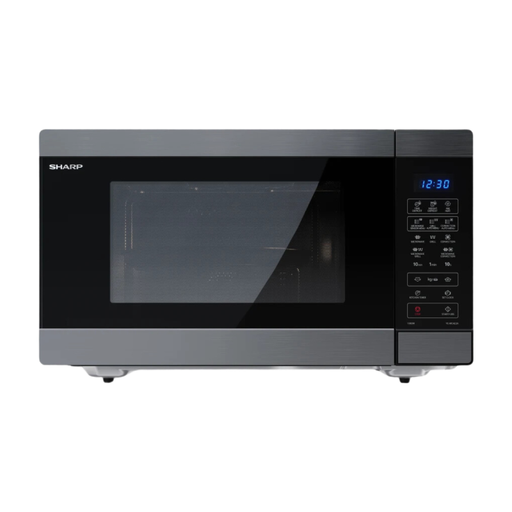 Image unavailable
Worth considering if you want to combine cooking and reheating on a worktop rather than in a built-in housing.
Listed capacity: 42 L. Check the instructions for defrosting modes, required clearances and connection requirements.
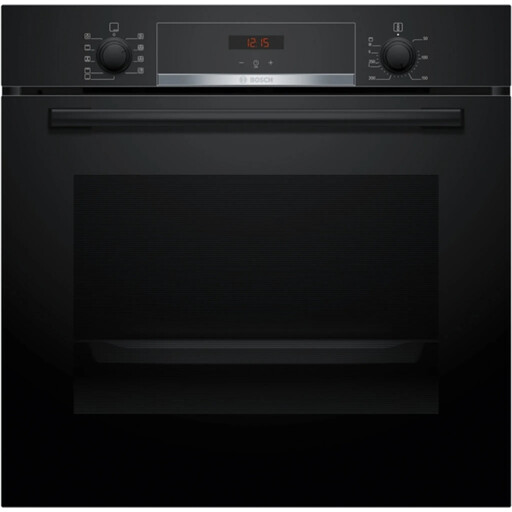 Image unavailable
Worth considering if oven cooking matters more to you than combining all the functions in one appliance.
Listed capacity: 71 L. Confirm the number of cavities and built-in installation requirements for this model. If microwave reheating is essential, check how you can provide for it separately.
No. Combining several functions doesn’t guarantee better results for every dish. A review by ADEME and the National Institute of Consumer Affairs finds differences depending on the dish, model and brand. Choose cooking modes to suit the way you cook.
Check the housing dimensions, ventilation clearances and electrical connection specified in the instructions for the exact model. Dimensions for a different model aren’t enough to confirm that the appliance will fit your kitchen unit or work with your electrical installation.
Not for every use. It can meet your needs for reheating, defrosting and occasional grilling, but its modes aren’t automatically the same as those of a convection oven. If you regularly bake or cook several dishes, compare the cooking functions of the models you’re considering.