
Livraison le jour même ou le lendemain

Qualité garantie

Débloquez vos offres de bienvenue: Livraison GRATUITE | Jusqu'à -80 % | 30 jours d'essai gratuits à JoyPlus
Téléchargez l'application
Your smartphone is an excellent Swiss Army knife, but let's face it: its photos lack sharpness, its zoom is underwhelming, and you're dreaming of recapturing that trendy vintage aesthetic? Rest assured, you're not alone. The compact digital camera is making a major comeback, offering superior image quality and a more authentic shooting experience. Whether you're a budding content creator, a fan of the Y2K digicam style, or simply looking for a reliable travel companion, there's a model for you.
This guide is here to help you navigate the options and find the compact digital camera that perfectly suits your needs and style, without drowning you in overwhelming technical jargon.
Before diving into our selection, let's review the essential criteria for making the right choice.
This is arguably its main advantage over a smartphone. A camera with an optical zoom physically moves a set of lenses to get closer to the subject with no loss of quality. The images remain sharp and detailed. Digital zoom, on the other hand, simply crops the image to enlarge it artificially, causing a noticeable loss of sharpness and detail. For travel, nature, or sports photography, opt for a model with a powerful optical zoom.
While a high megapixel (MP) count might look impressive on paper, especially for large-format prints, the quality of the sensor and lens takes precedence over everything else. For everyday use and social media, a sensor between 18 and 24 MP is more than enough.
For videographers, recording capability is a key criterion. While Full HD (1080p) remains a solid baseline, a 4K camera will deliver a much more detailed image and greater flexibility in post-production (editing, cropping, etc.). This is a major asset, especially if you're looking for a camera for vlogging.
The look of the camera has become a genuine selection criterion. The vintage camera and Y2K digicam trend has brought colourful bodies and raw image renderings back into the spotlight, a world away from the uniform filters of smartphones. Beyond style, don't overlook the handling: a lightweight and compact body will slip into any pocket, while an articulating screen is essential for selfies and vlogging.
Here is our selection of models that tick all the boxes, chosen for their excellent value for money.
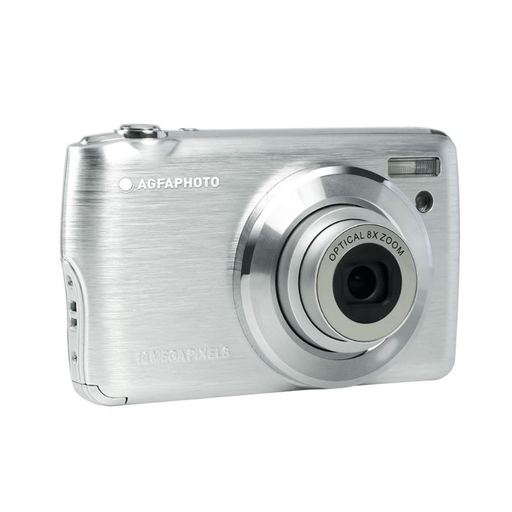
Why we love it: The DC8200 is an excellent entry point into the world of photography. It combines a solid spec sheet with a neo-retro design and a very comprehensive starter kit. It's the quintessential beginner's camera, ready to use right out of the box.
Key features:
Who is it for? Ideal for families, casual travellers, and anyone looking for a simple and effective alternative to their smartphone for capturing daily life.
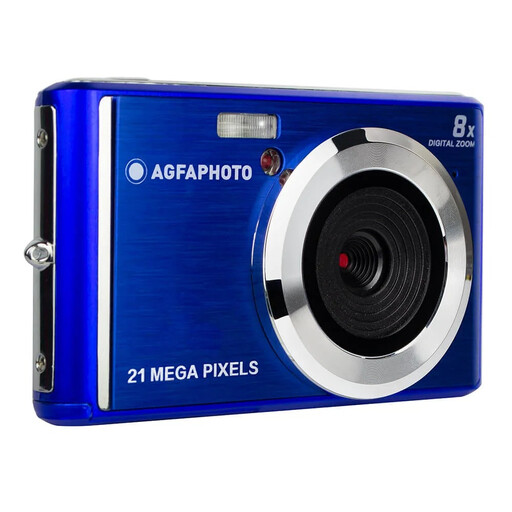
Why we love it: This model is all about style. With its vibrant body and unique image rendering, it perfectly embodies the Y2K digicam trend. Its mission: to be simple, fun, and produce shots with an authentic vintage camera aesthetic.
Key features:
Who is it for? For teens and young adults, social media trendsetters, and anyone who wants to rediscover the joy of spontaneous photography with a camera that has character.
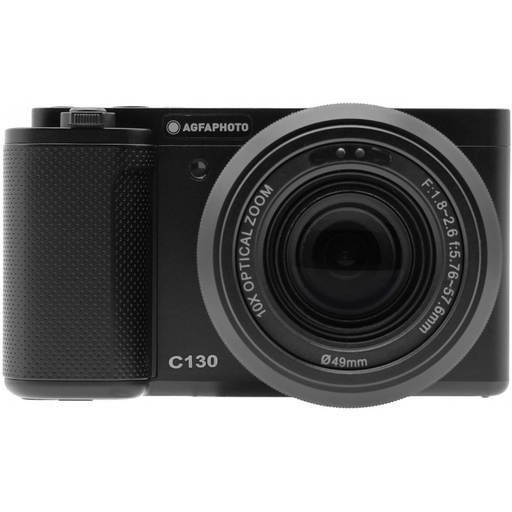
Why we love it: The Realishot C130 is a true Swiss Army knife for creators. It packs advanced features often reserved for much more expensive models, all in a compact format. It's the ideal candidate for vlogging.
Key features:
Who is it for? For vloggers, social media content creators, and demanding amateur photographers looking for a body that is as comfortable with photos as it is with video.
Our selection highlights some very versatile models, but the world of compact cameras is much broader. If you are specifically looking for a camera with a powerful zoom for your travels or nature photography, feel free to explore our dedicated category.
? Discover our range of compact cameras with zoom
1. Why buy a compact digital camera in 2026 when smartphones are so powerful? A compact camera retains key advantages: a true optical zoom for sharp close-ups, a generally larger sensor that captures more light (ideal in the evening or indoors), and ergonomics designed for photography. It's also an opportunity to assert a unique photographic style, far from the sometimes overly smooth and over-processed look of smartphones.
2. What is the difference between optical zoom and digital zoom? Optical zoom physically moves the lens elements to magnify the image without any loss of quality. Digital zoom, however, simply crops the image digitally, which inevitably degrades sharpness and detail. For maximum quality, only consider the optical zoom value.
3. Is a beginner's camera difficult to use? No, quite the opposite! Most compacts, especially beginner models, are designed to be ultra-intuitive. They offer automatic modes and "Scene" modes (portrait, landscape, night, etc.) that handle all the settings for you. All you have to do is point and shoot.