
Livraison le jour même ou le lendemain

Qualité garantie

Débloquez vos offres de bienvenue: Livraison GRATUITE | Jusqu'à -80 % | 30 jours d'essai gratuits à JoyPlus
Téléchargez l'application
Finding the ideal comfortable armchair can sometimes feel like an uphill battle. With so many styles, materials, and features to choose from, navigating the options can be overwhelming. More than just a piece of furniture, an armchair is your personal sanctuary—a refuge for devouring a good book or a partner for your long work-from-home days. To help you make the right choice, we've broken down the essential criteria and selected standout models designed for every use and every home.
Before you fall for a particular model, there are three factors to consider. The perfect armchair must, of course, be comfortable, but it also needs to fit seamlessly into your daily life and decor.
The right chair for the right purpose: that's the starting point.
The choice of materials is crucial: it determines not only the look of your armchair but also its long-term durability and how easy it is to maintain.
A tape measure is your best friend: measure your available space before making a decision. An oversized armchair can quickly overwhelm a small room, while a model that's too small will get lost in a large living room. Don't forget to allow for circulation space around it, especially for a reclining or rocking model that needs clearance to avoid hitting the walls.
To move from theory to practice, here are three models with distinct profiles, each with its own strengths.
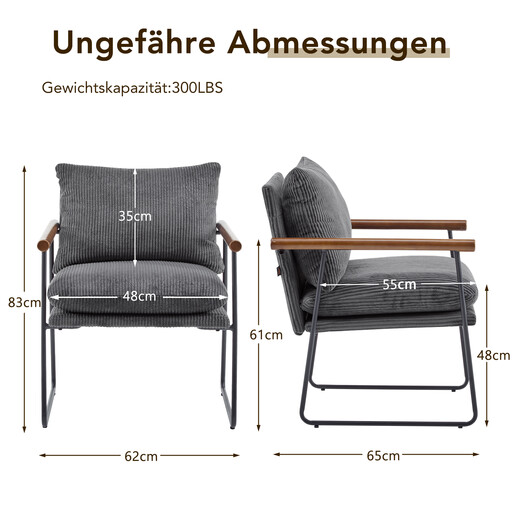
What Makes It Stand Out This armchair stands out with its modern take on the wingback design and its grey corduroy upholstery. Its generous dimensions (65x62x83?cm) make it an inviting seat, perfect for curling up with a book or a cup of tea.
The Pros
Who is it for? For those looking for a bedroom armchair or a statement piece for their living room. Perfect as a designer accent chair, it combines style and comfort for moments of relaxation.
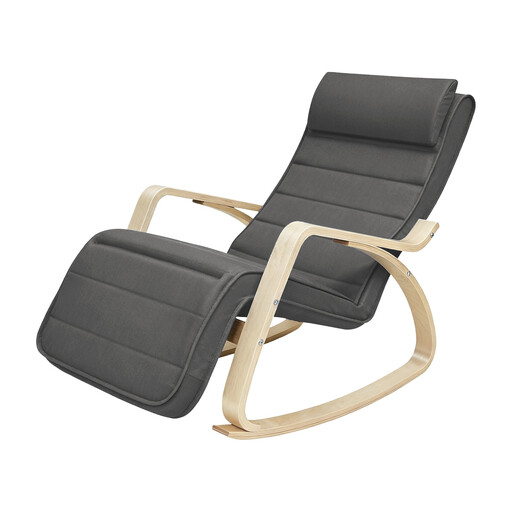
What Makes It Stand Out This lounge chair combines the soothing motion of a rocking chair with the practicality of an adjustable footrest. Its Scandinavian armchair inspiration, with birch wood armrests and clean lines, makes it as functional as it is elegant.
The Pros
Who is it for? For nap enthusiasts and avid readers. It's the ultimate reading chair, perfect for creating a relaxation corner in the living room or conservatory.
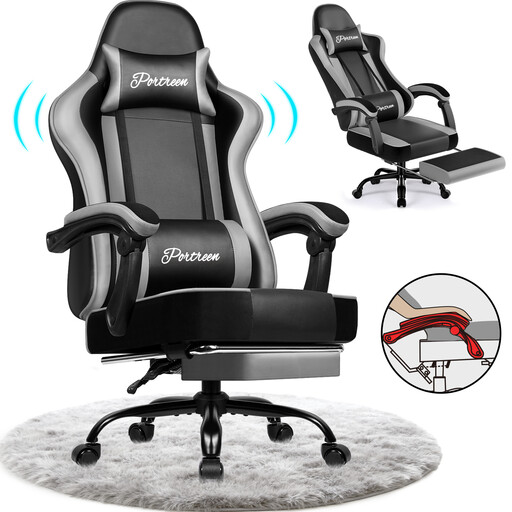
What Makes It Stand Out Designed for long sessions, this chair combines the features of a gaming chair with a footrest and an ergonomic office chair. Everything is designed for body support, from multiple adjustments to dedicated comfort accessories.
The Pros
Who is it for? A must-have for gamers, remote workers, and anyone who spends long hours sitting at a desk. Its purpose: to maintain good posture and reduce fatigue.
The armchair is the centerpiece, but to create a truly cozy nook, the overall ambiance is just as crucial. Pay attention to the details: soft lighting and well-chosen textiles will make all the difference. The right curtains, for example, can modulate light and enhance the feeling of privacy.
Discover our selection of Grey and Black Bedroom Curtains to complete your setup.
1. How do I choose a comfortable armchair to relieve back pain? Prioritise a model with excellent lumbar support. An ergonomic office chair like the GTIMEX model, with its adjustable lumbar cushion, is an excellent option. For a living room chair, opt for a firm seat (one that doesn't sink in) and a backrest that contours to and supports the spine.
2. What is the difference between a lounge chair and an ergonomic office chair? The lounge chair, as its name suggests, is entirely focused on relaxation. Its purpose is to offer passive comfort: you unwind in it thanks to its recline and footrest. In contrast, the ergonomic office chair is designed for active comfort. Its mission is to support the body in an ideal working posture over long periods, thanks to a wide range of adjustments that adapt to your body.
3. How can I integrate a designer armchair into a small living room? In a small living room, opt for a designer armchair with slim lines and an airy base, like a Scandinavian-style armchair. This visually lightens the space and allows light to flow. In terms of colour, light shades or tones that coordinate with your sofa will create a beautiful harmony. The Ckaff model, for example, despite its generous seat, has a relatively compact frame that can work very well.