For larger batches
If you cook family meals or use more than one shelf, start by comparing high-capacity fan ovens. Check the oven’s capacity and the size of your dishes, as specifications vary by model.


A combination oven could suit you if you often reheat and defrost food, provided its functions, capacity and installation meet your needs. For larger batches, compare high-capacity fan ovens instead. A conventional oven paired with a separate microwave gives you both functions, but requires two spaces. The French National Consumer Institute and ADEME have not found any general advantage in energy use or results that applies to every dish and every model.
If you cook family meals or use more than one shelf, start by comparing high-capacity fan ovens. Check the oven’s capacity and the size of your dishes, as specifications vary by model.
A combination microwave and oven is worth considering if you regularly switch between these uses. Compare its settings, cavity and installation type rather than assuming a compact model will fit your space.
A conventional oven alongside a separate microwave gives you a large oven cavity while keeping a dedicated appliance for reheating and defrosting. You’ll need to allow space for both and check the installation requirements for each.
Start with the dishes you cook most often, then match the functions and capacity you need to the space available.
Consider this if: you value large dishes and batches more than built-in microwave functions.
Bear in mind: you’ll need a separate appliance if you also want to reheat or defrost food in a microwave.
Consider this if: you want both cooking functions in one appliance, with a cavity large enough for your dishes.
Bear in mind: the dimensions and installation type must suit your space. The word ‘combination’ doesn’t guarantee the same results for every recipe.
Consider this if: you want a large oven cavity and the option to use a microwave while something is cooking in the oven.
Bear in mind: you’ll need two spaces and must meet the installation requirements for each appliance.
| Criterion | What to check | Who is this for? |
|---|---|---|
| Capacity and batch cooking | Oven cavity capacity, the size of your dishes and the usable shelves. | If I cook large dishes or several things at once, oven space comes before other functions. Around 40% of consumers put this capacity first. |
| Reheating and space | The exact model’s microwave and fan oven settings, dimensions and installation type. | If I often reheat or defrost food, I want to combine these functions within the space I have. This is a priority for around 40% of consumers. |
| Separate functions | Space needed for each appliance and the installation requirements for both models. | I want to keep a large oven while having a separate microwave, including when the oven is in use. Keeping the functions separate is the top priority for around 20% of consumers. |
A study by the French National Consumer Institute and ADEME compares four combination ovens with ten fan ovens under specific test conditions. Its findings aren’t a rule that applies to every recipe or appliance.
Make a note of the dishes you usually cook, then compare the settings and capacity of the models you’re considering for those specific needs.
The appliance’s height alone won’t tell you whether it will fit in an existing housing unit. Required built-in dimensions and clearances vary by model.
Measure the space and check the installation diagram for the exact model before ordering.
If the space doesn’t meet the specified requirements, you may need to adapt the unit or installation.
These ranges provide useful points of comparison for dimensions and functions. A feature listed for one model won’t necessarily apply to other appliances from the same brand.
Bosch offers built-in compact ovens with microwave functions, as well as conventional built-in ovens.
The compact built-in range includes microwave and grill appliances, as well as multifunction combination ovens.
The models reviewed include a conventional built-in oven and a combination appliance with microwave functions.
These products let you compare a conventional built-in oven with two combination appliances for cooking and microwave use. If you’re planning a setup with two separate appliances, also compare the microwave you intend to pair with your oven.
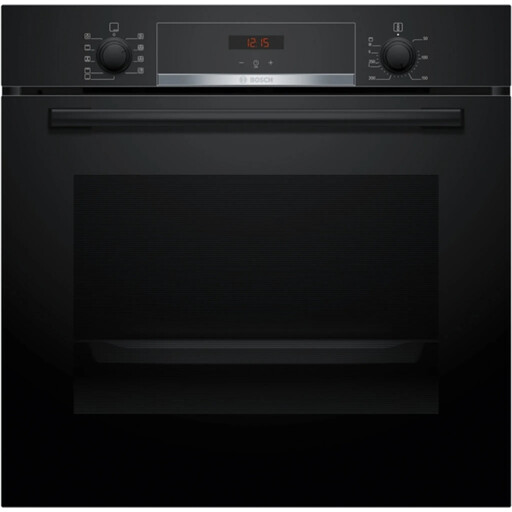 Image unavailable
Worth considering if you prioritise batch cooking and have space for a built-in oven. The product name lists a capacity of 71 L and a fan-assisted cooking function. Check the number of cavities before buying, as the information associated with this model is inconsistent on this point. Also check the housing unit and installation requirements.
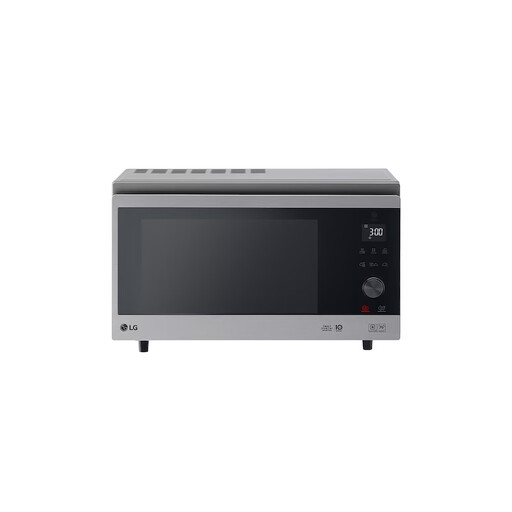 Image unavailable
Compare this model if you switch between cooking and microwave functions. Its stated capacity of 39 L needs to suit the dishes you use. Before deciding where to put it, check its installation type, dimensions and required clearances. Also check the connection requirements for the exact model.
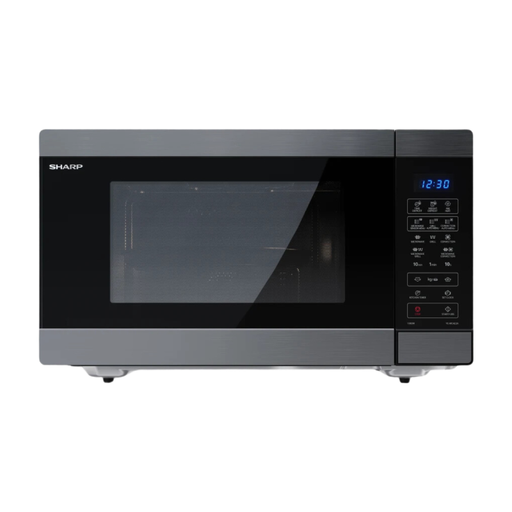 Image unavailable
Worth considering if you want cooking and microwave functions in a freestanding appliance. The product name lists a capacity of 42 L, so check that it suits the dishes you use. Choose a stable surface and check the manual for ventilation clearances and connection requirements.
No. You can’t work out energy use from the technology alone. The study by the French National Consumer Institute and ADEME covers four combination ovens, ten fan ovens and specific test conditions. Compare the information for the models you’re considering, taking into account the dishes you prepare.
Only if the housing unit dimensions and installation requirements suit the combination oven you’ve chosen. Electrolux specifies a 450 × 560 × 550 mm housing unit for the EVM6E46X, while Bosch lists appliance dimensions of 595 × 594 × 548 mm for the conventional HBG7741B1 oven. Measure your unit and check the manual for the replacement model.
Check the manual for the exact model for its installation dimensions, ventilation clearances and connection specifications. Make sure your planned space and electrical installation meet these requirements. Don’t rely on the specifications for another oven, even one of a similar size.