Small kitchens with space for just one appliance
If your worktop can’t accommodate several appliances, a combination model can bring together reheating, grilling and some oven cooking. Make sure its functions cover the dishes you actually prepare.


A combination oven could be a good fit if you need one appliance for reheating and some oven cooking, provided you check its settings, usable capacity and installation requirements. If you often cook in the oven and also need a microwave, two separate appliances let you use both at the same time. A mini oven could instead complement a microwave you already own. In their test of built-in ovens, ADEME and the Institut national de la consommation found no general energy-efficiency advantage for combination ovens over fan ovens.
If your worktop can’t accommodate several appliances, a combination model can bring together reheating, grilling and some oven cooking. Make sure its functions cover the dishes you actually prepare.
If you need to reheat leftovers while another dish is cooking in the oven, two separate appliances let you do both. The space each one needs then becomes an important consideration.
If your oven or microwave is working and meets your everyday needs, first identify the function or capacity you’re missing. A mini oven can complement a microwave you already own, but it won’t necessarily meet all your reheating needs on its own.
Start with the dishes you prepare and when you use your appliances. Then see how those needs fit with the available space and installation requirements.
| Criteria | What to check | My needs |
|---|---|---|
| Space and functions | Compare the external dimensions, usable capacity and door opening. Check the microwave, grill and fan oven settings separately on the model you’re considering. | I want to free up space without giving up the settings I use for reheating and cooking. |
| Cooking and simultaneous use | Check that the settings suit your dishes, and look at the usable cavity dimensions and accessories. A single combination appliance can’t use its cavity for two separate dishes at once. | I often have one dish cooking while I defrost or reheat something else, so two appliances could meet these needs at the same time. |
| Energy consumption | Compare cycles or recipes under similar conditions, rather than looking at wattage alone. In a test of four built-in combination ovens and ten fan ovens, ADEME and the Institut national de la consommation found no general energy-efficiency advantage for combination models. | I want to assess the electricity used for my usual cooking and reheating, without assuming one type of appliance always uses less. |
| Installation | Measure the space and check the installation type, niche dimensions if applicable, door opening and ventilation instructions in the manual. Whirlpool notes, in particular, that a microwave’s ventilation grilles must not be blocked. | My appliance needs to fit in the space provided, with enough room to use it and allow for ventilation. |
| Cleaning and lifespan | Check how easy it is to access the cavity, along with the lining and cleaning instructions. Also check the documentation and repair options for the model you’re considering. | If I cook often, I’d prefer to be able to clean splashes easily and find the information I need to maintain the appliance. |
In the test by ADEME and the Institut national de la consommation, results for combination ovens varied depending on the dishes, models and brands. So simply having a fan oven setting doesn’t guarantee it will deliver the results you expect for your usual dishes.
Make a list of the dishes you prepare often, then check their requirements against the usable capacity, settings and accessories of the exact model you’re considering.
The annual consumption figures published by ADEME for an electric oven and a microwave are based on different average uses, so they don’t compare the same recipe.
To compare two appliances on this basis, look for measurements per cycle or preparation carried out under similar conditions.
A space that matches an appliance’s external dimensions doesn’t guarantee a suitable installation: door opening and ventilation matter too. Whirlpool says that a microwave’s ventilation grilles must not be blocked.
Before deciding where to put it, check the permitted installation type and clearance requirements in the model’s manual.
UFC-Que Choisir warns that built-up splashes can clog catalytic liners. This depends on the mini oven’s lining and how it’s used.
If you plan to use the appliance regularly, check how easy it is to access the cavity, whether it has removable accessories and what the care instructions say.
These models are mentioned in the ADEME and Institut national de la consommation study of built-in ovens. Their inclusion in the sample doesn’t rank the brands or their current ranges.
The NQ5B6753CAK is listed among the built-in combination ovens tested.
The DKC7340X is among the built-in combination ovens included in the study.
The study lists the built-in combination oven SKC6302LW and the fan oven SOP2434X.
The built-in iQ700 CM776G1B1/020420 combination oven is listed in the sample.
This combination microwave is an option if you want a single appliance; this built-in oven represents the oven-cooking part of a set-up with a separate microwave. Compare each one with the space you have and how you plan to use it.
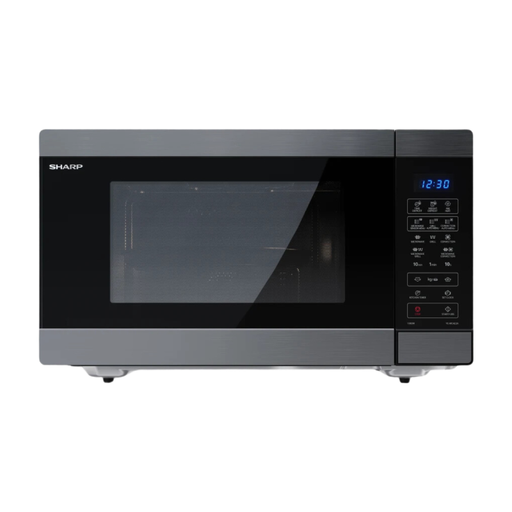 Image unavailable
This combination model could suit you if you want to bring reheating and cooking together in one appliance. It has a stated capacity of 42 L; check that it has the settings your dishes need, that they’ll fit inside and that the ventilation requirements in the manual suit your space.
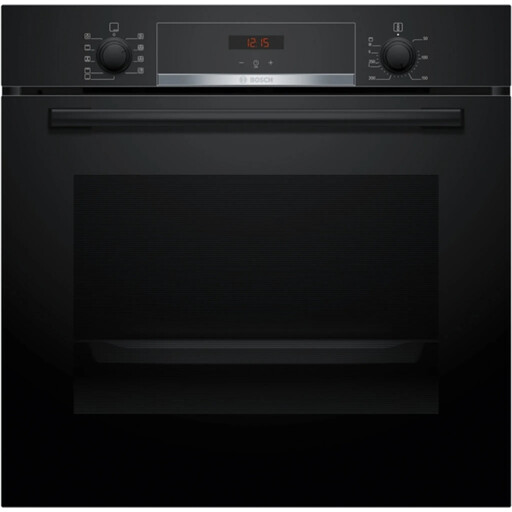 Image unavailable
This 71 L oven takes care of oven cooking in a set-up with separate appliances; you’ll need a separate microwave for microwave reheating. Check the model’s built-in dimensions and number of cavities before planning its installation.
No. In a test of four built-in combination ovens and ten fan ovens, ADEME and the Institut national de la consommation found no general energy-efficiency advantage for combination models. Results varied depending on the dishes and models. For your own needs, compare similar dishes prepared under similar conditions.
A combination oven can bring together the functions you need, provided its settings, cavity and accessories suit the dishes you usually prepare. If you need to reheat one dish while another is cooking in the oven, two separate appliances let you do both at the same time.
Check the manual for approved locations, clearance and ventilation requirements. Whirlpool says that ventilation grilles must not be blocked and advises against placing objects on top of a microwave; always follow the instructions for your chosen model.
No. Also check the niche dimensions, door opening and the usable space for your dishes. For its KVLAE2XT model only, Electrolux states a usable capacity of 44 L and built-in dimensions of 450 × 560 × 550 mm; measurements may differ for another combination oven.