A built-in combination microwave oven is a good choice if it fits your cabinet space and you want to combine reheating and conventional oven cooking in one appliance. Choose a conventional oven, with a separate microwave if needed, when your dishes need more room to cook and you have space for two appliances. A freestanding combination microwave is another option, but it takes up worktop space and cannot be installed like a built-in model.
Which set-up is right for you?
If you have just one cabinet space
If you want to reheat and cook in a single built-in appliance, consider compact combination models. First, measure the cabinet space: the Bosch, Siemens and Electrolux models mentioned for these formats don’t all have the same appliance or installation dimensions.
If you often cook using the oven
If space for dishes and the ability to organise your cooking matter most, compare a conventional oven with compact combination models. You’ll need another space if you also want to keep a microwave.
If you mainly reheat meals
If you already have an oven that suits the way you cook, a separate microwave can handle everyday reheating without replacing it. Check where you could install it.
What should you consider when comparing appliances?
In a small kitchen where you need to prepare and reheat meals, start with your main priority, then check that the format you’re considering will fit the available space.
| Factor |
What to check |
Who is it for? |
| Cooking and reheating in one appliance |
Which oven and microwave settings are actually available; whether the capacity suits your dishes. |
If one cabinet space needs to serve both purposes, combining the functions becomes a priority. Around 34% of consumers would prioritise this. |
| Whether it fits the available space |
The cabinet dimensions or worktop space; the specified ventilation and connection requirements. |
If there’s little room in your cabinet or on your worktop, finding an appliance that fits comes before extra features. This would be the priority for around 33% of consumers. |
| Room for oven cooking |
Internal dimensions, usable shelf positions and accessories needed for the dishes you usually cook. |
If you regularly prepare several dishes or larger meals, cooking space matters more than combining appliances. Around 20% of consumers would make this their main consideration. |
| Energy use and maintenance |
Comparable energy-use figures for the settings you use; cleaning and maintenance requirements. |
If an appliance will be used often, I want to compare its running costs and maintenance over time. Around 13% of consumers would put this concern first. |
What should you avoid before buying?
-
Relying on the width of the front alone
Two appliances with a similar width may need different cabinet heights, depths and clearances. An oven’s external dimensions are not the same as its installation dimensions.
Measure your cabinet and compare every measurement with the installation diagram for the model you’ve chosen. Don’t forget to check the manufacturer’s ventilation requirements.
-
Assuming a combination model will replace an oven for every dish
Having several functions in one appliance doesn’t tell you whether its cavity, shelf positions and accessories will suit the meals you cook most often.
Make a note of your dish sizes and how often you use multiple shelves, then compare them with the specifications of the combination model and conventional oven you’re considering.
-
Assuming the microwave function will save energy
A study by the National Consumer Institute and ADEME compared four combination ovens with ten convection ovens across three recipes. Its scope doesn’t allow us to conclude that all combination models use less energy for every type of cooking.
Compare the figures for the models you’re considering and the settings you’d use for your meals, rather than choosing based only on whether an appliance has a particular function.
Which brands can you compare for different formats?
Bosch
Bosch models let you compare a compact built-in combination oven, a 60 × 60 cm built-in oven and a separate built-in microwave.
- The Bosch CMG7241B1 combination model’s product information lists appliance dimensions of 455 × 594 × 548 mm and a maximum microwave power of 900 W.
- These measurements describe the CMG7241B1 appliance; they don’t replace the cabinet measurements required for installation.
Siemens
The Siemens CM724G1B1 is an example of a compact built-in combination microwave oven.
- Its product information lists appliance dimensions of 455 × 594 × 548 mm and a maximum microwave power of 900 W.
- Check the assistance functions and connected features for the specific model you choose.
Electrolux
The CombiQuick KVLBE08X gives you a point of comparison for a combination oven designed for a compact cabinet space.
- Electrolux lists installation dimensions of 450 × 560 × 550 mm for the KVLBE08X.
- These cabinet dimensions apply to this model. Check its manual for the other installation requirements too.
Miele
Miele offers a range of built-in combination microwave ovens designed for a cabinet space 45 cm high.
- This format is worth considering if you want to combine oven and microwave settings in a compact cabinet space.
- Check the full dimensions and available settings for the model you choose.
Which freestanding combination microwaves should you consider on Joybuy?
These two freestanding combination microwaves bring reheating and cooking together without using a built-in cabinet space. They need room on your worktop and aren’t a substitute for a built-in combination oven when it comes to installation.
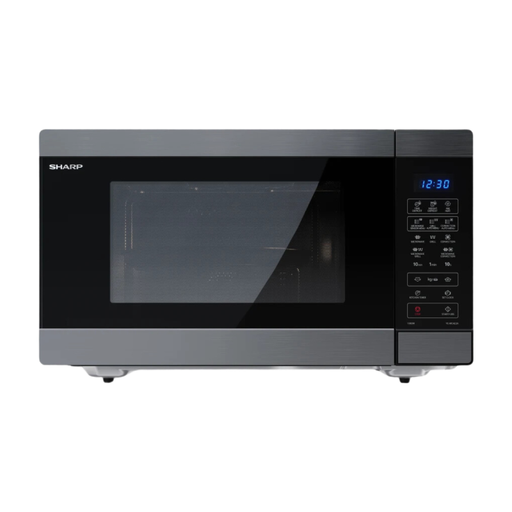 Image unavailable
SHARP YC-MC422AE-SB, 42 L 3-in-1 combination microwave
Worth considering if you want to combine reheating and cooking in a freestanding appliance. Its stated capacity is 42 L. Check that you have enough worktop space, allow for ventilation clearances and make sure the cavity is suitable for your dishes. This model isn’t designed to be built in.
View on Joybuy
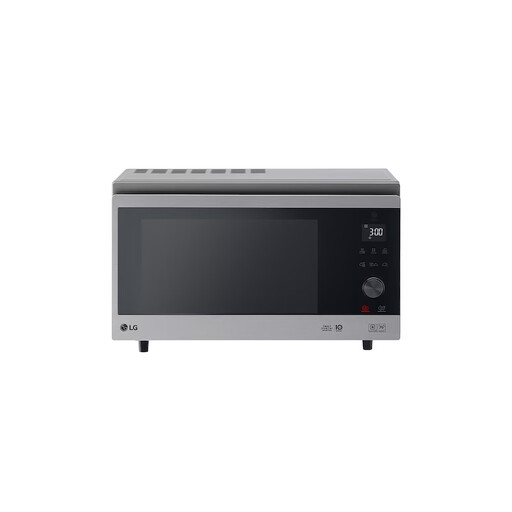 Image unavailable
LG MJ3965ACS, 39 L combination microwave
Consider this if a freestanding combination microwave suits your kitchen better than a built-in appliance. Its stated capacity is 39 L. Compare its dimensions and required clearances with your worktop, then check that the cavity will suit your dishes. It isn’t designed for a built-in cabinet space.
View on Joybuy
Frequently asked questions
Does a combination microwave oven always use less energy than a conventional oven?
No. Energy use should be compared for specific models, settings and dishes. A study by the National Consumer Institute and ADEME looked at four combination models and ten convection ovens cooking three recipes. It doesn’t establish a rule that applies to every appliance.
What measurements should you take for a built-in oven?
Measure the cabinet space and check the model’s installation diagram, keeping these measurements separate from the appliance’s external dimensions. For examples specific to each model, Electrolux lists cabinet dimensions of 450 × 560 × 550 mm for the KVLBE08X, while Bosch gives appliance dimensions of 455 × 594 × 548 mm for the CMG7241B1.
What should you check about the connection before ordering?
Check the model’s manual for its total electrical power, the type of plug or connection it requires, and the specified clearances. Don’t assume your installation is compatible based only on the microwave power. If you’re unsure whether your existing circuit is suitable, ask a qualified professional to check it.


