Households short on space
If you want to cook some dishes, reheat leftovers and defrost food using a single cavity, a combination oven is worth comparing with the space two separate appliances would take up.


Choose a combination oven if your main priority is to reheat, defrost and cook in a single appliance. If oven cooking and a cavity that can accommodate your dishes matter more, compare convection ovens instead. A separate oven and microwave give you both options, but take up two spaces. Tests by the French National Consumer Institute and ADEME found that combination ovens perform differently depending on the dish and model, so the category alone cannot predict the results.
If you want to cook some dishes, reheat leftovers and defrost food using a single cavity, a combination oven is worth comparing with the space two separate appliances would take up.
If your dishes need a suitably sized cavity or several cooking levels, start by checking the oven’s specifications. UFC-Que Choisir says that the air circulation in fan ovens allows you to cook on several levels.
If reheating and defrosting are part of your daily routine, consider these quick tasks separately from the results you expect when cooking dishes in the oven.
Start with the task that matters most to you, then check the functions and space requirements for the model you’re considering.
Consider this if: you want one appliance for oven cooking, reheating and defrosting.
Bear in mind: cavity size and cooking results vary from model to model. Tests by the French National Consumer Institute and ADEME do not show that combination ovens work better for every dish.
Consider this if: oven cooking, space for your dishes and the option to use several levels matter more than built-in microwave functions.
Bear in mind: a convection oven cannot replace a microwave for quickly reheating and defrosting food.
Consider this if: you want a dedicated oven for cooking and a separate appliance for quick tasks.
Bear in mind: you’ll need space for two appliances, although you can replace each one separately.
| Criteria | What to check | Who is it for? |
|---|---|---|
| Reheating and defrosting | Whether the exact model has microwave and defrost settings; appliance dimensions. | If I often reheat portions, I’d rather not add more appliances, while still being able to cook some dishes. Around 42% of consumers would make having a single appliance their priority. |
| Oven cooking | Cavity capacity, usable dimensions and practical cooking levels. | If I regularly cook dishes in the oven, I want a cavity that suits my cooking first and foremost, even if I need another appliance for reheating. This would be the priority for around 33% of consumers. |
| Flexibility and energy use | Space available for one or two appliances; stated energy use for comparable settings and uses. | If I want to keep or replace my appliances separately, I also need to consider how much space they take up. Around 25% of consumers would prioritise this flexibility. |
Tests by the French National Consumer Institute and ADEME found that results vary depending on the dish and model, with no overall advantage that applies to all combination ovens.
Compare the settings you’ll actually use. To assess energy use, look for measurements based on comparable tasks.
A compact combination oven and a more spacious oven may not suit the same cooking needs. Cavity size, usable levels and where the appliance will go all matter too.
Measure the housing or worktop, then check the dimensions, capacity and installation instructions for the model you’ve chosen.
Cookware suitable for oven cooking may not be suitable for microwave mode; metal utensils and some plastics can cause problems in particular.
Check that your cookware is compatible and follow the appliance instructions before switching settings.
Bosch offers compact built-in ovens with microwave functions. They’re worth comparing if an integrated appliance suits your plans.
Whirlpool’s range lets you compare freestanding and built-in combination models if you want one appliance for several tasks.
Samsung convection microwaves are worth comparing if you often reheat and defrost food and want a combination appliance.
These products let you compare two combination ovens, which bring several tasks together in one appliance, with a convection oven for prioritising oven cooking. Check the dimensions and functions of each model against your available space and the meals you usually prepare.
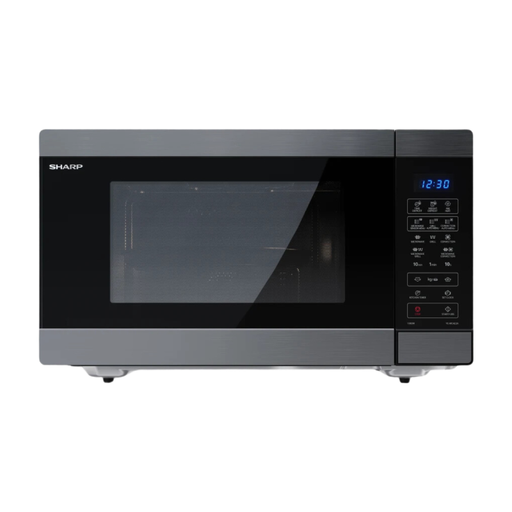 Image unavailable
Worth comparing if you want one appliance for reheating, defrosting and cooking. Its stated capacity is 42 L; check the manual to see how much clearance to leave around the appliance.
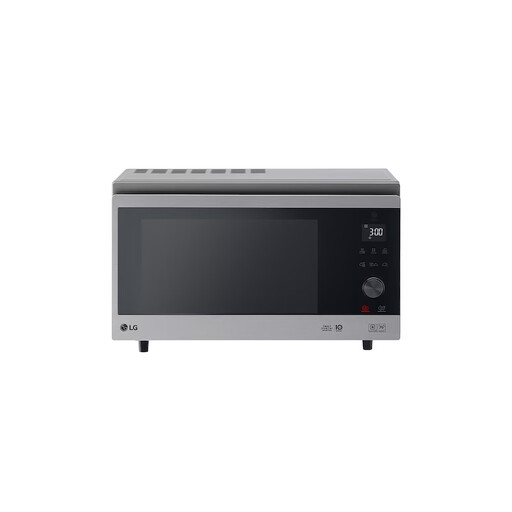 Image unavailable
Worth comparing if you want one appliance for cooking as well as quick reheating and defrosting. Its stated capacity is 39 L; check the dimensions and required clearances before choosing a place for it.
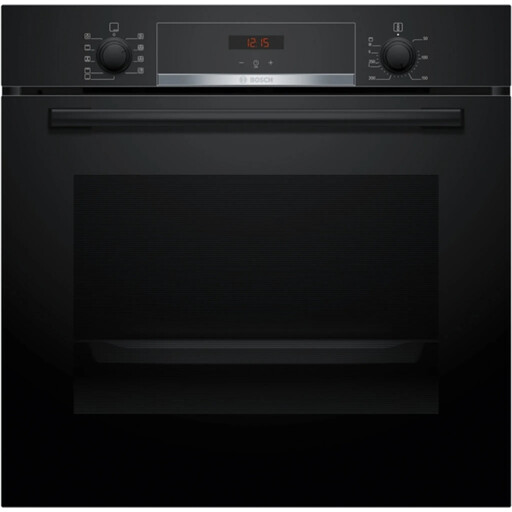 Image unavailable
Worth comparing if oven cooking and cavity capacity are your priorities. The product name indicates a 71 L capacity and 3D hot air setting. If you also want to reheat or defrost using a microwave, check how you’ll cover those tasks. Confirm the housing dimensions before installation.
No. It depends on the tasks you want to combine and the dishes you cook. In tests of four combination ovens and ten built-in convection ovens, the French National Consumer Institute and ADEME found that results vary depending on the dishes and models, with no general advantage for combination ovens.
Compare the dimensions of the housing with those of the exact model and follow its installation instructions, particularly for clearance and ventilation. Don’t assume an appliance has the same requirements as another model in the same range.
No. ADEME’s figures are estimates for different types of appliance based on assumed usage, not measurements for the model you’re considering. ADEME gives figures of 130 kWh per year for a 63 L electric oven used for 187 cycles a year, and 40 kWh per year for a microwave. These figures can’t be used to calculate how much a combination oven will use for your dishes.
Under guidance from the French Directorate-General for Competition Policy, Consumer Affairs and Fraud Control, the statutory guarantee of conformity applies in France to new, second-hand and refurbished goods sold by a professional to a private individual. It is separate from any commercial guarantee. If the appliance is faulty or doesn’t match its description, contact the seller to discuss the remedies available.