Who are these options for?

People who switch between different uses

You alternate between cooking, reheating and defrosting. A combination oven can bring these functions together, but results depend on what you’re cooking and which programmes you use, as highlighted in a comparison carried out by the National Consumer Institute with ADEME.

Households that use two appliances at once

You want to cook one dish while reheating or defrosting another. Two separate cavities let you do both at the same time, as long as you have enough space.

People short on kitchen space

You’re considering a compact or countertop appliance. Compare the size of your dishes with the usable capacity, then check the available space and the clearances specified for the model.

What should guide your choice?

Combination microwave and convection oven

Consider this if: you want to switch between oven cooking and microwave functions in one cavity.

Bear in mind: you can’t cook two separate dishes in this cavity at the same time.

Conventional fan oven

Consider this if: your priority is a dedicated cavity for oven cooking.

Bear in mind: if you also need to reheat or defrost using a microwave, consider whether a separate appliance would work for you.

Separate oven and microwave

Consider this if: you regularly need to cook while reheating or defrosting something else.

Bear in mind: you’ll need space for two appliances and should check the installation requirements for each one.

Countertop mini oven

Consider this if: you’re looking for an oven for occasional cooking and its capacity suits the dishes you make.

Bear in mind: you’ll need a suitable appliance for reheating or defrosting in the microwave.

Criterion What to check Who is this for?
Useful functions Check the model’s cooking, reheating and defrosting modes, and make sure the cavity can fit the dishes you usually use. If you switch between all three, you’ll want to know what each programme actually does before choosing a single appliance. Around 36% of consumers in this group prioritise this versatility.
Using appliances at the same time Decide whether you need two cavities that can be used at the same time. If one dish is already cooking in the oven, you may want to reheat or defrost another without waiting. Around 29% of consumers in this group put this ahead of other criteria.
Space and installation Compare the dimensions, the available recess or worktop space, and the clearances specified in the manual. Check the power supply requirements for each model. If your kitchen is short on space, your main concern is finding room for the appliance and allowing for ventilation. This is the priority for around 21% of consumers in this group.
Cost and length of use Compare the cost of one or two appliances, after-sales service terms and, for comparable ovens, energy-use indicators measured in the same modes. You’d rather consider the overall purchase and running costs than just the list of features. Around 14% of consumers in this group make this their top criterion.

What mistakes should you avoid?

  • Expecting the same results with every dish

    The comparison by the National Consumer Institute and ADEME looked at four combination ovens and ten fan ovens, all built-in, using specific dishes and cooking methods. It doesn’t show that one type of appliance will always produce the same results.

    Start with the dishes you make most often and check the programmes on the model you’re considering.

  • Choosing based only on appearance or stated capacity

    An appliance may suit your dishes but not fit its recess or countertop space. Ventilation requirements vary by model.

    Measure the space and check the installation diagram and clearances in the manual for the exact product.

  • Comparing every use with a single energy figure

    Energy use per cycle for an oven mode doesn’t tell you how much energy microwave reheating uses. The figures don’t measure the same thing.

    Compare oven energy indicators measured in equivalent modes, then consider separately how often you reheat and defrost.

  • Confusing a commercial warranty with your statutory rights

    In France, the statutory legal guarantee of conformity applies to eligible goods sold by a business to a private individual, as explained by the Directorate General for Competition Policy, Consumer Affairs and Fraud Control. A commercial warranty is a separate form of protection.

    Before taking out an extended warranty, check its duration, exclusions and cover, and remember that it is separate from your statutory rights.

Brands to know

There are no brand profiles to display in this section.

Appliances to suit the way you cook

These appliances show three ways to organise your cooking: a combination microwave, a dedicated built-in oven or a countertop mini oven. Start by choosing the functions you need and the space you have available.
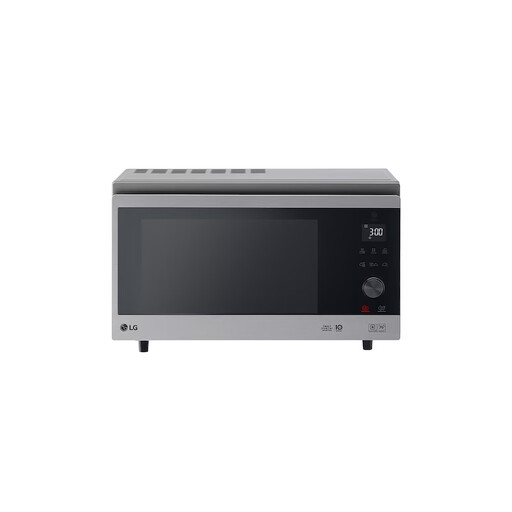
LG MJ3965ACS combination microwave, 39 L

LG MJ3965ACS 39 L combination microwave

Worth considering if you want to combine oven cooking and microwave functions in one cavity. Stated capacity: 39 L. Check the manual for the programmes you’re interested in, as well as the installation and ventilation requirements.

View on Joybuy
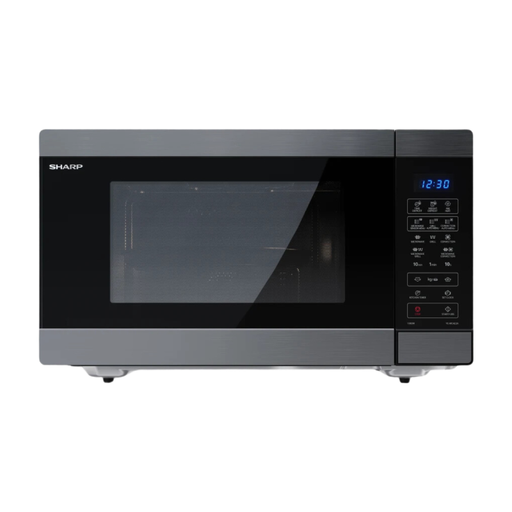
SHARP YC-MC422AE-SB combination microwave, 42 L

SHARP YC-MC422AE-SB 42 L combination microwave

Consider this if you’re looking for a combination microwave and want to compare its capacity with the size of your dishes. Stated capacity: 42 L. If defrosting is essential, check the model’s programme and ventilation instructions.

View on Joybuy
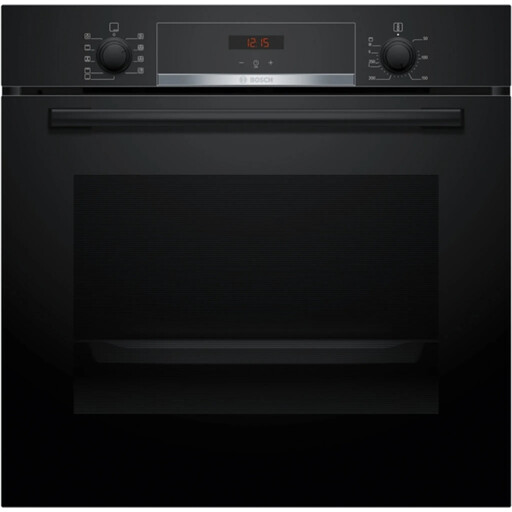
Bosch HBA514BB3 built-in oven, 71 L

Bosch HBA514BB3 71 L built-in oven

Consider this if you prefer a dedicated cavity for oven cooking. Stated capacity: 71 L. If you also need to reheat or defrost using a microwave at the same time, compare a separate appliance too. Check the oven’s recess and connection requirements.

View on Joybuy
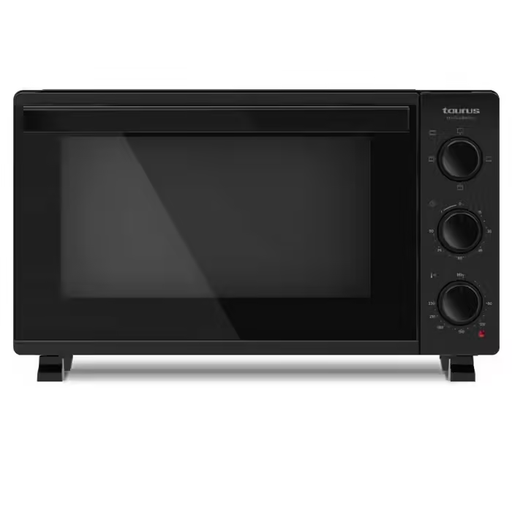
Taurus Horizon23 countertop mini oven, 23 L, black

Taurus Horizon23 23 L countertop mini oven, black

Worth considering for countertop cooking if your dishes fit inside. Stated capacity: 23 L. Check the internal dimensions and ventilation clearances. If you need to defrost, make sure it has a suitable function.

View on Joybuy

Frequently asked questions

Does a combination oven produce better results with every dish?

No, there’s no basis for saying that combination ovens are generally better. The comparison by the National Consumer Institute and ADEME covered four built-in combination ovens and ten built-in fan ovens, using specific dishes and cooking methods. Check that the programmes suit the dishes you usually make.

Can I compare an oven and a microwave using the energy label?

Not by treating their uses as equivalent: energy use per cycle in an oven mode doesn’t measure microwave reheating. Use the label indicators to compare ovens in equivalent modes, then assess your microwave needs separately.

What should I measure before buying a built-in oven or a mini oven?

For a built-in oven, measure the recess and compare it with the installation diagram for your chosen model. For a mini oven, also check the worktop space and ventilation clearances. For example, the LISTO MF21L product details specify at least 10 cm on each side and 30 cm above the appliance. These clearances don’t necessarily apply to other models.

Does a commercial warranty replace the statutory guarantee?

No. In France, the statutory legal guarantee of conformity applies to eligible goods sold by a business to a private individual, according to the Directorate General for Competition Policy, Consumer Affairs and Fraud Control. A commercial warranty is an additional cover subject to its contract terms. Check what it covers before taking one out.