Brands to compare
The study by ADEME and the National Consumer Institute compares four built-in combination ovens and ten built-in fan ovens. The models below are included to show which appliances were studied, not to rank the brands.
Samsung
The Samsung NQ5B6753CAK built-in combination oven is included in the study.
- This model gives you one combination oven to consider among those compared.
- The results for this model don’t represent the whole Samsung range.
De Dietrich
The De Dietrich DKC7340X built-in combination oven is one of the appliances studied.
- It provides another combination model for comparison.
- The sample doesn’t allow its results to be generalised to other De Dietrich ovens.
Sauter
The study includes the Sauter SKC6302LW combination oven and, separately, the Sauter SOP2434X fan oven.
- These two models illustrate the appliance categories being compared.
- Their inclusion in the study doesn’t mean their dimensions, functions or results are interchangeable.
Siemens
The Siemens iQ700 CM776G1B1 combination oven is included in the study. Siemens France lists dimensions of 455 × 594 × 548 mm and a capacity of 45 l for this model.
- These specifications help you check whether this particular model suits your available space and the dishes you prepare.
- They shouldn’t be applied to other Siemens combination ovens.
Combination ovens on Joybuy
These two combination microwaves are options if you’re looking for one appliance that can reheat food and offer oven-cooking functions. To compare them for your kitchen, also check their defrosting performance, results with your usual dishes and the installation requirements for the exact model.
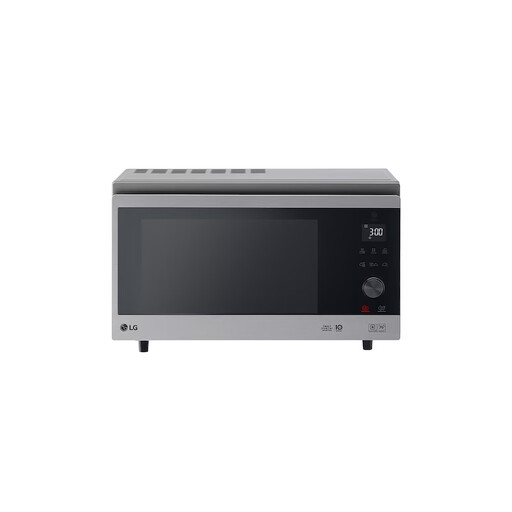 Image unavailable
LG MJ3965ACS, 39 l combination microwave, black
Worth considering if you want to combine reheating, defrosting and cooking in one appliance. Its stated capacity is 39 l. Compare defrosting and reheating tests relevant to the dishes you prepare, then check the installation type and required clearances before deciding where to put it.
View on Joybuy
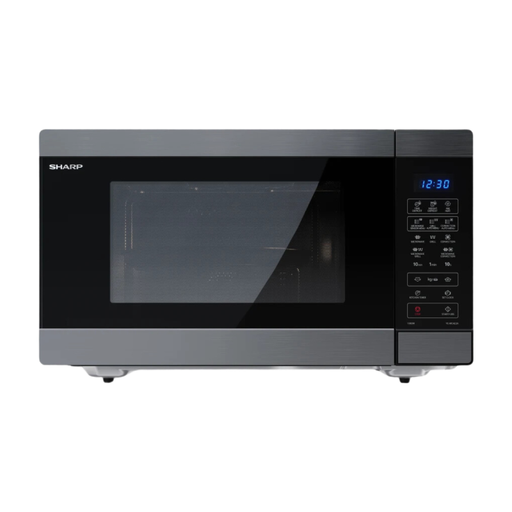 Image unavailable
SHARP YC-MC422AE-SB, 42 l combination microwave
Worth a look if you want to bring reheating and oven cooking together in one appliance. Its stated capacity is 42 l. If defrosting is important to you, check the functions listed in the instructions for the exact model and look for tests that reflect how you plan to use it.
View on Joybuy
Frequently asked questions
Does a combination oven always use less energy than a fan oven?
No, there’s no general advantage to assume. In its study of four built-in combination ovens and ten built-in fan ovens, ADEME and the National Consumer Institute found that results varied according to the dishes, models and brands. When choosing, compare results for the dishes you usually prepare.
How can I assess an appliance’s defrosting and reheating performance?
Look at separate tests for these two uses rather than relying on the stated power alone. UFC-Que Choisir’s testing protocol measures defrosting time and temperatures at the centre and surface of the food, among other things. Even reheating is also important for the dishes you prepare regularly.
Can you reheat any ready-meal tray in the microwave?
No: follow the preparation instructions on the packaging and check that it’s suitable for microwave use. Anses warns that heating food for longer can increase the transfer of substances from the packaging into the food. Use another microwave-safe container if the instructions say to.
What should I check before replacing a built-in oven with a combination model?
Check the installation type, dimensions, capacity and requirements listed in the instructions for the exact model. As a guide for this model only, Siemens France lists dimensions of 455 × 594 × 548 mm and a capacity of 45 l for the CM776G1B1. These figures don’t apply to other combination ovens.
Does a commercial warranty replace the legal guarantee of conformity?
No. For a purchase made in France by an individual from a professional seller, the Ministry of the Economy explains that the legal guarantee of conformity applies, among other things, to new, second-hand and refurbished goods. A commercial warranty is separate and doesn’t remove this right, which you can exercise with the seller.


