Households that often reheat and defrost food
If you do these tasks almost every day, an appliance that combines cooking and microwave functions could suit your routine. Just make sure the model you choose has the functions you need.


A combi oven is a good choice if you want cooking, reheating and defrosting in one appliance, provided its capacity and functions suit the way you use it. If you mainly cook large dishes or bake in batches, a fan oven may be a better fit; adding a separate microwave means you’ll need room for both. In its comparison of combi ovens and fan ovens, ADEME found that results varied by dish, model and brand, with no overall advantage for combi ovens.
If you do these tasks almost every day, an appliance that combines cooking and microwave functions could suit your routine. Just make sure the model you choose has the functions you need.
Having enough room for your dishes and the option to cook on several levels may matter more than having a microwave function built in. Compare the internal dimensions and cooking modes of the oven you’re considering.
If the appliance needs to fit into an existing housing unit, don’t choose based on the width of the front alone. Measure the space and check its dimensions, ventilation and connection requirements against the model’s instructions.
Consider this if: you want cooking, reheating and defrosting functions in one appliance.
Bear in mind: some compact models have a smaller cavity than the traditional 60 cm ovens mentioned by Electrolux France. ADEME’s comparison found no better results across all dishes.
Consider this if: the size of your dishes and baking in batches are your main priorities.
Bear in mind: this option doesn’t provide microwave functions, so check that the oven will also fit into the space you have planned.
Consider this if: you want to keep a large cooking cavity while using a separate appliance for reheating and defrosting.
Bear in mind: you’ll need to find two suitable spots for the appliances, taking their installation requirements into account.
| Factor | What to check | Who this matters to |
|---|---|---|
| Reheating and defrosting | Check the functions of the exact model and the capacity of its cavity. | If I often reheat or defrost food, I want to be able to do it in the appliance I use every day. Around 37% of consumers put this need first. |
| Cooking capacity | Compare the capacity, the room available for your dishes and the usable levels. | When I’m cooking large dishes or baking in batches, having a suitably sized cavity comes first. Around 36% of consumers prioritise this. |
| Fitting the appliance | Measure the housing unit’s height, width and depth; check the instructions for ventilation and connection requirements. | In a fitted kitchen, I need to choose an appliance that fits the available space. Around 18% of consumers prioritise this constraint. |
| Energy use for your needs | Compare figures for similar appliances and uses, rather than looking only at the stated power. | If I want to understand the energy use for my usual meals, I don’t want to confuse an appliance’s power rating with the energy it uses. Around 9% of consumers put this question first. |
ADEME’s comparison of four combi ovens and ten fan ovens found that results varied by dish, model and brand, with no overall advantage for combi ovens.
Start with the dishes you actually cook, then look at cooking functions, reheating, defrosting and cavity size separately.
Two built-in appliances may need housing units of different heights and offer different cooking capacities.
Before choosing, measure the housing unit’s height, width and depth, then check the instructions for ventilation clearances and connection requirements.
If the housing unit isn’t suitable, you may need to modify the cabinet or installation.
The annual averages ADEME publishes for an electric oven and a microwave relate to different appliances and uses. They don’t tell you how much energy a combi oven will use for your meals.
To compare ovens, look at figures based on comparable tests and consider which modes you’ll use.
The CMG7241B1 compact built-in oven is an example of a combi microwave oven.
The range includes examples of compact formats and 60 cm built-in ovens.
The HB574ABR3F built-in oven is an example of a traditional 60 × 60 cm format.
These appliances show the difference between an oven dedicated to cooking and combi microwaves. Compare their functions and format with your needs before choosing a setup.
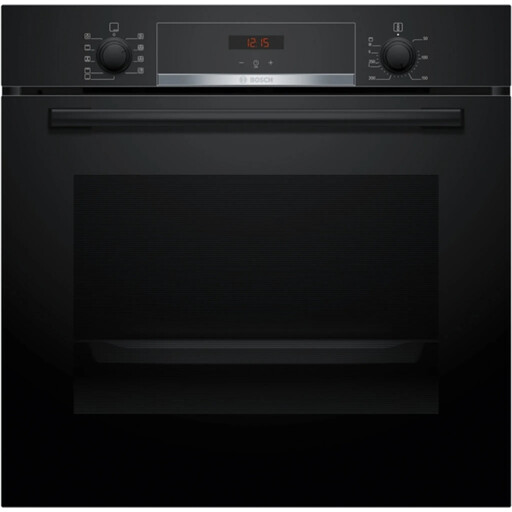 Image unavailable
Worth considering if capacity for cooking large dishes is your priority. The product title describes a double oven, while the description states that it has a single compartment. Check the number of cavities before choosing.
Also check the installation dimensions and connection requirements in the instructions.
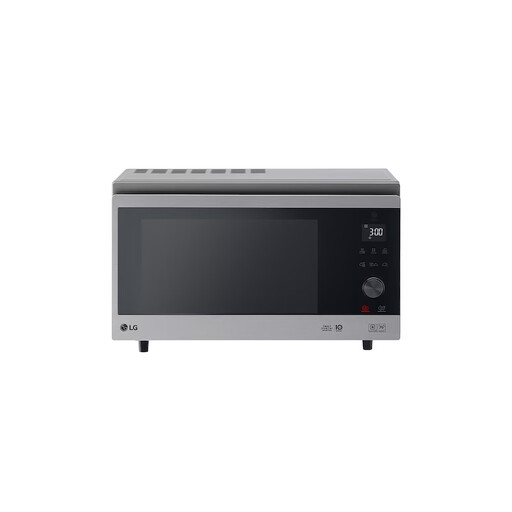 Image unavailable
Worth considering if you want several modes in one appliance and your dishes will fit in a 39 L cavity.
Before deciding where to put it, check the installation type, required dimensions and connection details in the model’s instructions.
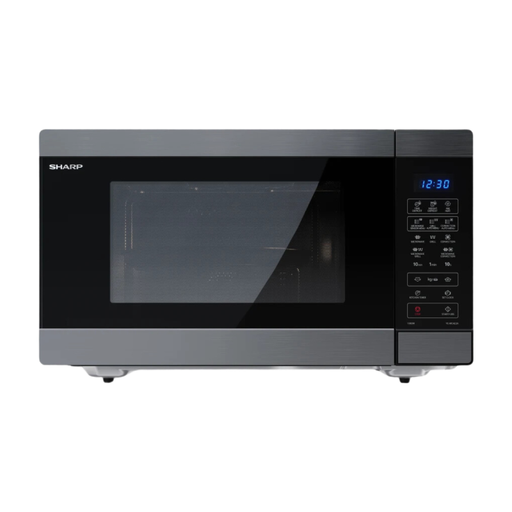 Image unavailable
Worth considering if you want several modes in a freestanding appliance. Its stated capacity is 42 L, so check that your dishes will fit.
If defrosting is essential, confirm that the model has this function in its instructions. Also check the available worktop space, ventilation and electrical compatibility.
No, it depends on the models and the space available. Electrolux France lists housing unit dimensions of 450 × 560 × 550 mm for its compact EVM6E46X2 and 590 × 560 × 550 mm for its EOF3C40TH oven. These two examples differ in height, but you’ll need to measure all three dimensions of your housing unit.
No. The stated power can help you check the connection requirements, but it doesn’t, on its own, predict cooking results or how much energy will be used for a meal. Compare the functions, cavity and figures relevant to the way you’ll use the appliance.
Not on its own. The European Commission states that energy labelling applies to domestic ovens. To compare a combi setup with two separate appliances, you also need to consider the tasks each one will perform. ADEME’s separate annual averages for an oven and a microwave aren’t based on identical usage.