
Livraison le jour même ou le lendemain

Qualité garantie

Débloquez vos offres de bienvenue: Livraison GRATUITE | Jusqu'à -80 % | 30 jours d'essai gratuits à JoyPlus
Téléchargez l'application
Not all colouring pens are designed for the same purposes. An ideal set for journalling may not be suitable for marking a plastic box, while an acrylic marker may be impractical for filling in the small details of a colouring page. Before you are won over by the number of shades displayed on the box, it is worth looking at the features that really matter.
A medium or bullet nib of around 1 mm is suitable for drawing, writing and filling in small areas. However, it is less precise than a fine nib for outlining, adding annotations or working on details. A brush nib, on the other hand, allows you to vary the line width, but requires a little more control to keep your strokes consistent.
A permanent marker is designed to leave a long-lasting mark, but its durability depends greatly on the surface. Glass, metal and non-porous plastics often need to be clean and completely dry before application. On paper or card, the ink may bleed through the sheet. So check the compatible surfaces, drying time and water resistance stated by the manufacturer.
A wide palette can be invaluable for illustration, but duplicate shades and the absence of a colour chart can quickly make choosing less intuitive. A metal box or compartmentalised case helps keep the pens organised, protects the nibs and makes it easy to identify the colours available.
The stated width does not always tell the whole story. A flexible nib produces different strokes depending on the angle and pressure, while a rigid fibre nib maintains a more consistent width.
Water-based inks are very common in drawing and craft pens. They are suitable for paper and can sometimes be diluted with a damp brush to create a watercolour effect. Even so, test the ink on the paper you intend to use: a sheet that is too thin may buckle or allow the colour to show through on the reverse.
Acrylic inks are generally more opaque. They are suitable for decorating wood, stone, glass, ceramic and metal. Acrylic markers often need to be shaken and then primed on a scrap sheet of paper. As the paint can dry on the nib, replace the cap immediately after use.
For marking and labelling, quick-drying permanent markers meet a different need. The STAEDTLER Lumocolor featured below has a 1 mm nib, green alcohol-based ink and stated compatibility with plastic, metal, glass, card and paper. It must not be used on skin and should be used in a sufficiently well-ventilated area.
For colouring, choose paper that is thick enough, especially if you plan to layer several shades. Always test metallic or acrylic markers on an inconspicuous area first. Surfaces intended to come into contact with food must not be decorated unless the manufacturer explicitly states that they can be.
If the pens are intended for children, check the recommended age and whether they have small caps. Washable pens for children make it easier to clean skin and many fabrics, but “washable” does not mean that every delicate surface will be unaffected.
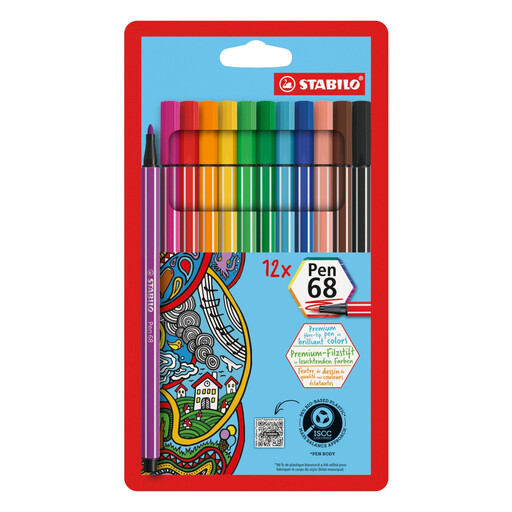
Why this choice suits this profile : With 12 colours, this set is ideal for getting started with colouring, drawing or note-taking without immediately investing in a large box.
Its 1 mm fibre nib delivers a consistent line, without requiring you to buy several specialised tools from the outset.
Water-based ink, a durable nib and 12 shades to get you started. Replace the cap after every use.
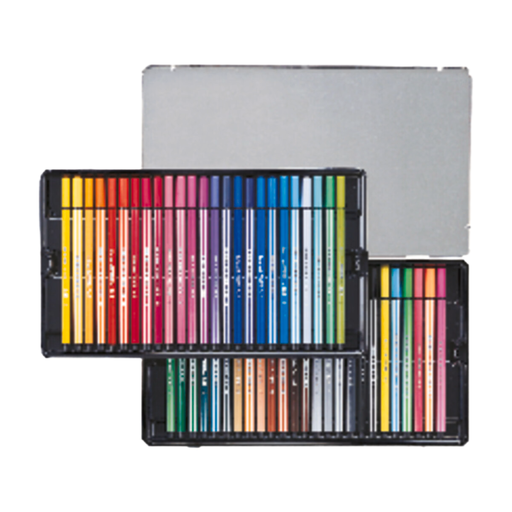
Why this choice suits this profile : This set is designed for anyone looking for an extensive palette for drawing, solid areas of colour and watercolour effects.
The metal box keeps the pens neatly organised and reduces the risk of losing particular colours at the bottom of an overfilled pencil case.
50 pens, a 1 mm bullet nib, water-based ink and stated protection against drying out for up to 24 hours without the cap.
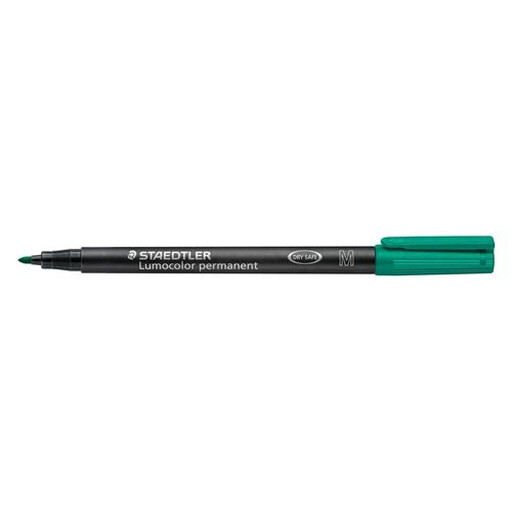
Why this choice suits this profile : This pack is designed for regular marking in workshops, offices and warehouses, as well as for labelling equipment.
Its product information specifies the permanent nature of the alcohol-based ink and the compatible surfaces, rather than implying unlimited versatility.
A fine 1 mm nib, quick drying and water resistance once the ink is dry. Do not use on skin.
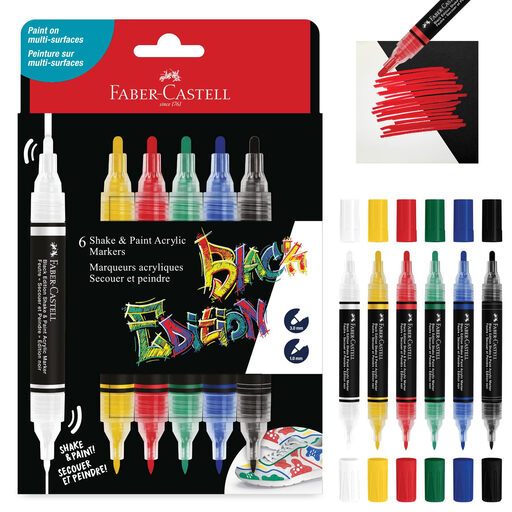
Why this choice suits this profile : This set is ideal for decorative and DIY projects on paper, wood, stone, glass, metal, plastic or fabric.
With its two 1 mm and 3 mm nibs, it saves you from buying one tool for details and another for broader strokes.
Opaque, highly pigmented acrylic ink in classic shades. Shake the pen with the cap closed, then prime the nib before starting.
We have brought together a complete, real-time updated selection of products that meet these demanding criteria and European safety standards.
A set of 12 to 18 colours with a medium or bullet nib is a good place to start. You can practise drawing, colouring and writing without collecting multiple formats. STABILO Pen 68, for example, uses a 1 mm nib and water-based ink, according to the information in its product listing.
Watercolour pens generally use water-based ink that can be spread with a damp brush on suitable paper. Acrylic markers apply a more opaque layer designed to adhere to a wider range of surfaces. They are therefore better suited to decorating objects, provided you check the compatibility and durability stated by the manufacturer.
It depends on the formula, how often it is used and the storage conditions. A cap that is not properly closed can quickly dry out the nib. Some ranges claim temporary protection against drying out, but this does not remove the need to replace the cap carefully after every use. Horizontal storage away from heat and direct sunlight helps maintain a consistent ink flow.