
Livraison le jour même ou le lendemain

Qualité garantie

Débloquez vos offres de bienvenue: Livraison GRATUITE | Jusqu'à -80 % | 30 jours d'essai gratuits à JoyPlus
Téléchargez l'application
Choosing coloured pencils isn’t just about counting the shades on the box. A palette of 72 colours can quickly become impractical if the leads break, the storage doesn’t protect the tips properly, or the pigments aren’t suited to the technique you’re using.
For families, students, teachers and artists alike, three common pitfalls keep cropping up:
Here are the criteria to consider before buying a set of coloured pencils.
The diameter of the lead directly affects comfort and durability. Thick-lead pencils, such as the STABILO Trio with a 4.2 mm lead, are ideal for large areas and children who press hard. Their triangular shape also helps maintain a stable grip.
For detailed drawings, a finer, more resilient lead allows for precise outlines. Professional Faber-Castell Polychromos pencils feature, according to their product description, an oil-based 3.8 mm lead reinforced by an SV bonding process. This design reduces the risk of breakage and helps keep a fine point for longer.
Triangular coloured pencils also have the advantage of not rolling off the table. They are particularly practical for children, school activities and long colouring sessions.
Standard pencils are suitable for dry colouring, hatching and layering. Oil-based pencils, like the Polychromos, are generally preferred for smooth blending and graphic details.
Watercolour pencils contain pigments that are soluble in water. Simply draw dry, then go over with a slightly damp brush to spread the colour. This technique does require paper that is thick enough to prevent warping.
Pastel pencils offer a more powdery, opaque texture. They can be blended with a finger or a blending stump, but finished works may need a fixative spray to reduce the risk of smudging. This type of pencil is mainly aimed at those who want to work with textures, backgrounds or effects similar to charcoal.
For children, the STABILO Woody 3-in-1 pencils combine the functions of a coloured pencil, a watercolour pencil and an oil pastel. Their 10 mm lead allows you to cover large areas quickly, but they are less suited to very fine details.
A set of 12 or 18 colours is enough for homework, everyday colouring and first drawings. A selection of 24 shades offers more variety without becoming too bulky. Sets of 36 to 72 colours are more suited to illustration, portraiture, landscape or regular practice.
Storage should be chosen according to how you’ll use them:
Also check whether a sharpener is included. Thick-lead pencils aren’t always compatible with a standard model.
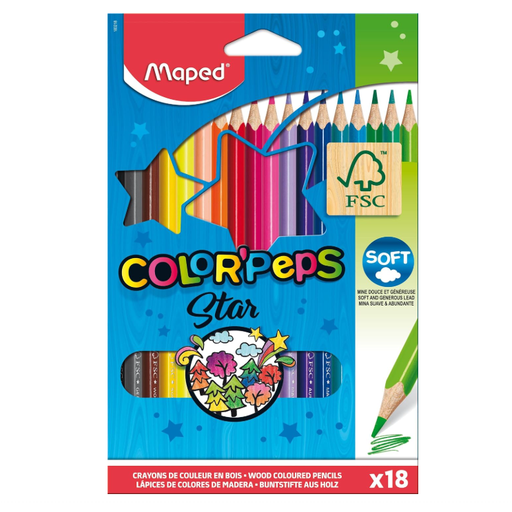
Why this choice suits this profile: With 18 shades, a triangular shape and a 2.9 mm lead, this set is ideal for first colouring sessions, school supplies and creative activities at home.
The number of colours is reasonable, so you’re not paying for shades you’ll rarely use. The durable lead is easy to sharpen, minimising interruptions during colouring.
Triangular shape, 18 colours, FSC-certified wood and a lightweight cardboard wallet for easy carrying.
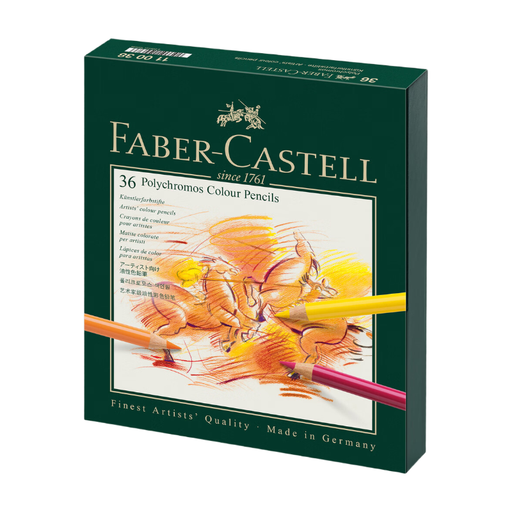
Why this choice suits this profile: With 36 oil-based shades, a 3.8 mm lead and an Atelierbox case, this set is designed for illustrators, art students and hobbyists who want precise blending.
The colour selection and oil-based binder prioritise blending and layering rather than simply accumulating colours.
Pigments described as lightfast, SV lead, layering application and structured storage.
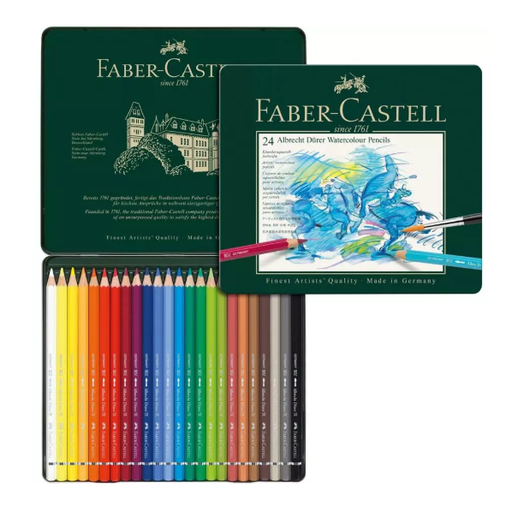
Why this choice suits this profile: This set of 24 watercolour pencils lets you move from dry drawing to water washes, while remaining compact enough for classes, sketchbooks or travel.
It doesn’t limit you to dry colouring: its water solubility lets you explore an extra technique without buying more supplies.
24 colours, water-soluble pigments, dry or wet use and a protective metal tin.
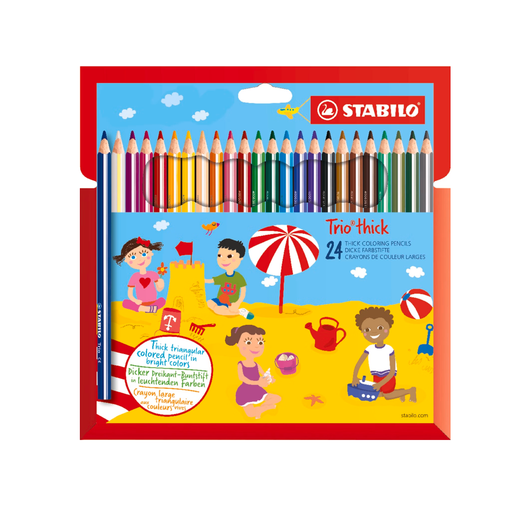
Why this choice suits this profile: Their chunky triangular barrel and 4.2 mm lead are designed for little hands and long colouring sessions, both at school and at home.
The thick lead reduces the risk of breakage when a child presses hard and allows large areas to be covered quickly.
24 pencils, triangular barrel, 4.2 mm lead and wood from certified forests according to the product description.
We’ve put together a comprehensive, real-time updated list of products that fully meet these strict selection criteria and European safety regulations.
A set of 12 to 24 colours generally covers school needs, colouring and first blending exercises. For portraiture, landscapes or detailed illustrations, 36 shades or more offer a more complete starting palette.
Use a sharpener that matches the diameter of the lead, without applying excessive pressure. Put the pencils back in their box or case after use and avoid damp places or direct sunlight. With watercolour pencils, wait until the surface is dry before storing them.
They can be suitable for teenagers and adults who want to learn layering techniques, but their lead and price don’t always match the needs of younger children. For little hands, children’s coloured pencils with a triangular barrel and a thick lead are generally easier to handle. Products containing small parts should not be used by children under 3 years of age.