
Livraison le jour même ou le lendemain

Qualité garantie

Débloquez vos offres de bienvenue: Livraison GRATUITE | Jusqu'à -80 % | 30 jours d'essai gratuits à JoyPlus
Téléchargez l'application
Whether it's for a school supply list, a creative afternoon at home, or just starting out with drawing, choosing a box of coloured pencils can quickly become a daunting task. Between promises of "unbreakable" leads and infinite colour palettes, it's easy to end up with a product that frustrates more than it inspires. As a product expert for the Joybuy editorial team, my mission is simple: to help you cut through the noise. Let's break down the pitfalls to avoid and the criteria that really matter for making the right choice.
The two main pitfalls? They're often tied to marketing claims that are a little too tempting:
To avoid these disappointments, just focus on a few concrete technical details. These indicators will give you a much more accurate idea of the pencils' true quality and help you know if they're the right fit for you.
The shape of the pencil is crucial for comfort. For a child's coloured pencil, prioritise ergonomic designs:
A pencil's durability depends mainly on its lead. There are two things to check:
The richness of the colours is what makes colouring so enjoyable. Low-quality pigments will produce pale shades and force you to press very hard, which is tiring and can damage the paper. For more advanced drawing supplies, look for softer leads (oil- or wax-based) that allow for layering and blending. For school colouring supplies, good pigmentation ensures a vibrant result without effort.
Instead of an endless list, here are our targeted recommendations that meet specific needs while respecting all the criteria we've just covered.
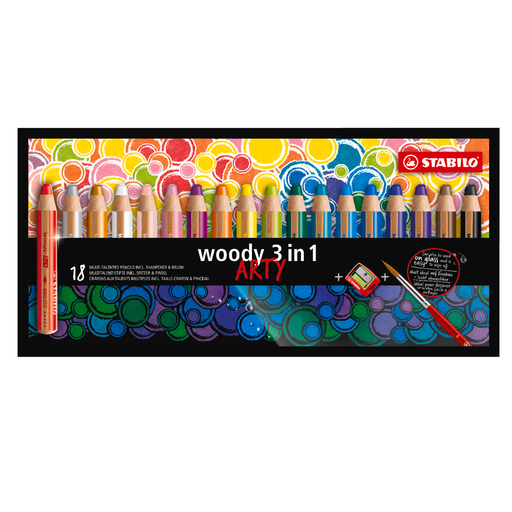
Why we chose it: This pencil is a true Swiss Army knife for toddlers. It's a coloured pencil, wax crayon, and watercolour pencil all in one. Its extra-wide body offers an excellent grip, and its 10 mm XXL lead can withstand even the most passionate artists.
Its ultra-sturdy lead puts an end to the frustration of broken tips. Its thick body ensures a natural and comfortable grip, unlike thin pencils that are difficult for young children to handle.
3-in-1 versatility and intense pigmentation on many surfaces (paper, cardboard, glass, etc.). Simply an excellent tool for creative development.
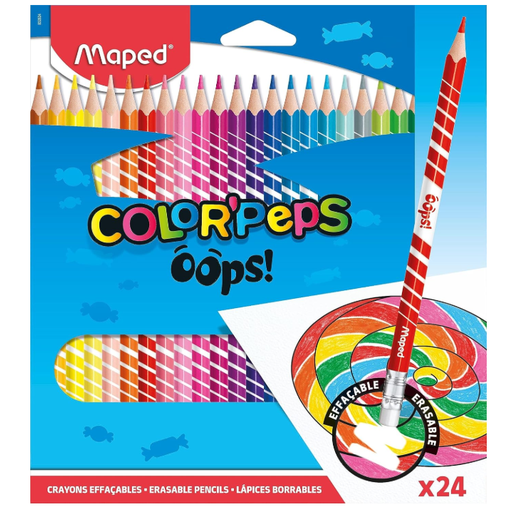
Why we chose it: The perfect combination for school. These pencils have an eraser on the end, ideal for correcting small slips and mistakes. Their triangular shape ensures optimal comfort for work that requires precision.
The erasable feature takes the fear out of making mistakes and encourages children to be more daring. The ergonomic triangular shape prevents hand fatigue, and the pencil won't roll off the desk.
An erasable pencil for clean corrections, combined with a durable lead and an ergonomic shape designed for school.
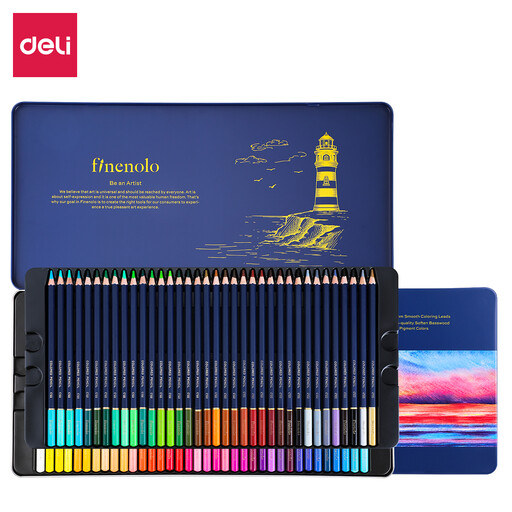
Why we chose it: For those starting to take drawing seriously, this set offers a comprehensive palette of 72 colours. It allows for exploring shades, shadows, and gradients. The sturdy metal tin protects the pencils and makes them easy to organise.
It offers rich pigmentation that prevents you from having to press hard on the lead to get intense colours—a common flaw in entry-level sets that discourages beginners.
A very wide range of colours in a durable metal storage tin, offering excellent value for money when stocking up on drawing supplies.
We have selected a full range of products that check all these boxes, while also meeting current safety standards.
Yes, and it's no coincidence! The triangular shape is widely endorsed by teachers and occupational therapists. It naturally guides fingers into a proper pincer grasp, which is fundamental for learning to write. It also reduces muscle fatigue during long colouring sessions and, as a practical bonus, prevents pencils from rolling onto the floor.
It all depends on the artist's age and intended use!
To put it simply, the vast majority of school pencils are wax-based. They are generally harder, more affordable, and easy to use. Oil-based pencils are softer, creamier, and blend very well, which makes them better suited for amateur or experienced artists. They are also often more expensive.