
Livraison le jour même ou le lendemain

Qualité garantie

Débloquez vos offres de bienvenue: Livraison GRATUITE | Jusqu'à -80 % | 30 jours d'essai gratuits à JoyPlus
Téléchargez l'application
A white garment that turns grey, a pair of jeans that transfers colour onto a shirt, or a towel that loses its brightness after a few washes: colour transfer is one of the main risks when you wash different fabrics together. Colour-catching sheets for washing machines can trap some of the pigments released into the water, but they’re no substitute for sorting your laundry properly or choosing the right temperature.
Before you place an order, it’s worth avoiding these three common pitfalls:
Compare the total number of sheets, not just the pack price. Different pack sizes suit different needs:
To work out the true cost, divide the pack price by the number of washes you expect to do. For a very dark or particularly colourful load, the instructions may recommend using more than one sheet.
A washing machine sheet described as suitable for all cycles and all temperatures offers greater flexibility, especially for low-temperature washes. Still, check the advice on delicate fabrics.
New clothes, jeans, towels and bedding can release more pigment. For the first five or six washes, it’s best to wash a very brightly coloured garment separately. Always check the care label and the manufacturer’s recommendations.
If you’re mindful of materials, you may prefer plant-based fibres and packaging that is recycled or recyclable. However, keep these claims separate from colour-trapping performance: they tell you about the product’s materials and packaging, not whether it’s guaranteed to work in every situation.
Also check whether the product is designed solely to protect laundry or whether it also works as a laundry stain remover, a white-brightening product or a stain-removing powder. Formulas containing active oxygen, enzymes or bleaching agents need particular care, depending on the fabrics involved.
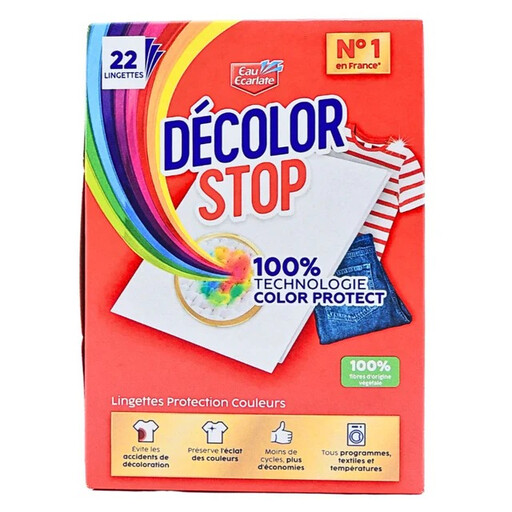
Why this option suits you: With 22 sheets, this pack lets you try a colour-transfer protection product without building up too much stock.
The smaller pack means you won’t pay for far more than you need for the amount of laundry you do.
Plant-based fibres and stated compatibility with all fabrics, cycles and temperatures.
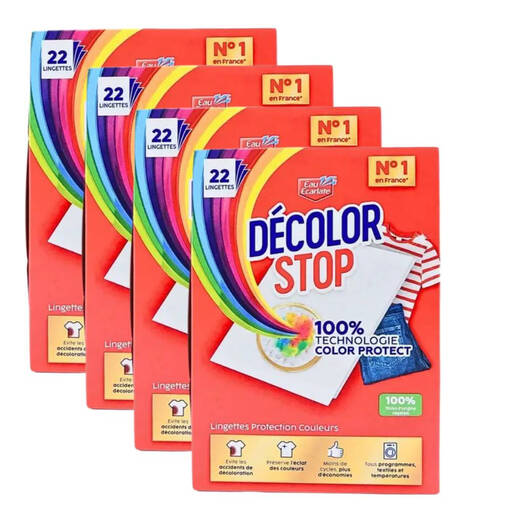
Why this option suits you: The pack of 88 sheets is ideal for households that want to stock up for regular, long-term use.
The pack contains four packs of 22 sheets, making it easy to store and meaning you won’t need to restock too often.
88 sheets, plant-based fibres and packaging described as recycled and recyclable.
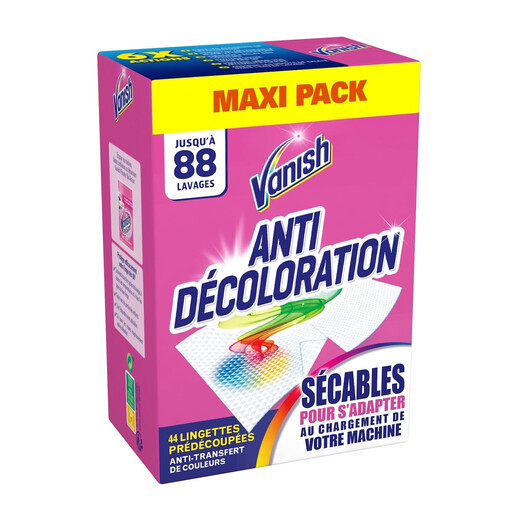
Why this option suits you: With 44 sheets and stated suitability for use from 30 °C, this pack is aimed at frequent washing.
The instructions state that the sheet is single-use and should be removed at the end of the cycle, so you won’t mistakenly reuse it.
Absorbent honeycomb microfibre, stated suitability from 30 °C and 44 sheets.
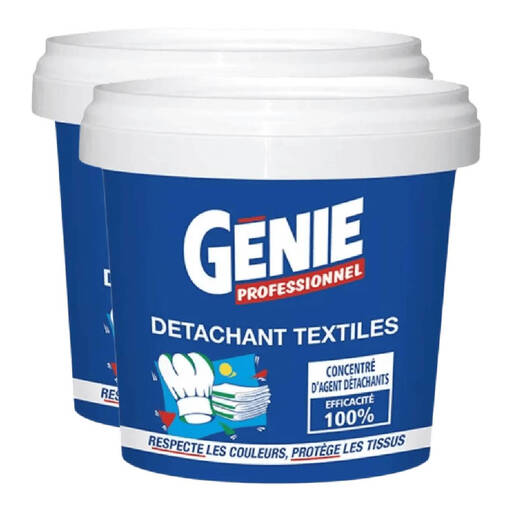
Why this option suits you: This powder is an alternative to sheets when your main aim is to tackle stains, rather than simply limit colour transfer.
This product isn’t presented as a colour-transfer sheet: it’s clearly designed to remove stains from fabrics.
Formula with active oxygen and enzymes, described as suitable for use from 30 °C; do not use on wool or silk.
We’ve selected a comprehensive range, updated in real time, of products that meet these demanding criteria and comply with European safety regulations.
No. They can trap some of the coloured particles in the water, but they don’t eliminate the risk of colours running. New clothes, jeans and heavily dyed fabrics should be washed separately at first.
The amount depends on the product, the size of the load and how intense the colours are. One sheet is often enough for a standard load, while a very colourful load may need several. Always follow the instructions on the packaging.
Not necessarily. A colour-transfer sheet’s main purpose is to trap pigments released during washing. For wine, grease or blood stains, choose a product specifically described as a laundry stain remover and check that it’s suitable for the fabric in question.