
Livraison le jour même ou le lendemain

Qualité garantie

Débloquez vos offres de bienvenue: Livraison GRATUITE | Jusqu'à -80 % | 30 jours d'essai gratuits à JoyPlus
Téléchargez l'application
Buying a collectable model car isn’t just about picking a prestigious brand or a colour you like. Between retouched photos, vague descriptions and models designed more for play than display, some listings can leave you disappointed when your order arrives.
Before you order a model car, take the time to check a few concrete criteria: the scale, the materials, the moving parts, any official licence and the recommended age. This approach helps you tell a die-cast car intended for collecting apart from a small metal toy car mainly designed for play.
A 1:18 scale model car is noticeably larger than a 1:43 or 1:64 model. Yet some listings highlight the scale without specifying the actual shelf space you’ll need.
As a rough guide:
Measure your display cabinet before ordering, taking into account its depth, any display base and the presentation box.
Opening doors, a bonnet or an engine compartment can add more depth to a display. However, they also add moving parts that may come loose after repeated handling. So the presence of these features in a listing doesn’t necessarily mean the model will withstand heavy play.
For an adult collection, also check for rubber tyres, steerable wheels, a detailed interior and a finish consistent with the photos.
Models intended for children and collectable replicas serve different purposes. Small parts, wing mirrors and aerodynamic elements can be fragile. So the recommended age deserves your full attention.
Many model listings mention small parts and advise against intensive use. For a child’s bedroom, choose a product clearly suited to the relevant age. For a display cabinet, handle the car with clean hands and protect it from dust and direct sunlight.
Die-cast metal gives the bodywork a realistic weight and good rigidity. It is usually combined with plastic parts for the wing mirrors, interior, spoilers or engine details.
A metal model car is therefore not entirely metal. The key is to identify:
The Bburago models featured in this selection have a die-cast metal body and plastic parts. Some references also benefit from an official licensed finish – a point to check on the product page.
The scale should match how you intend to use it. A 1:18 replica, such as a Ferrari model, offers more room for detailing the interior, wheels and engine bay. On the flip side, it needs a deeper display cabinet and usually a higher budget.
1:43 is a practical compromise for representing a Formula 1 season or bringing together several manufacturers. 1:64 is better suited to enthusiasts who want to collect several single-seaters, drivers or race liveries without taking up too much space.
For a Ferrari, McLaren or Mercedes-AMG, mention of an official licence may matter if you’re looking for a livery, logo and bodywork faithful to the real vehicle. However, it shouldn’t be taken as a guarantee of future value on the collectors’ market.
Also check the recommended age, choking hazard warnings and care instructions. Models intended for display should be dusted with a soft cloth and kept away from heat sources.
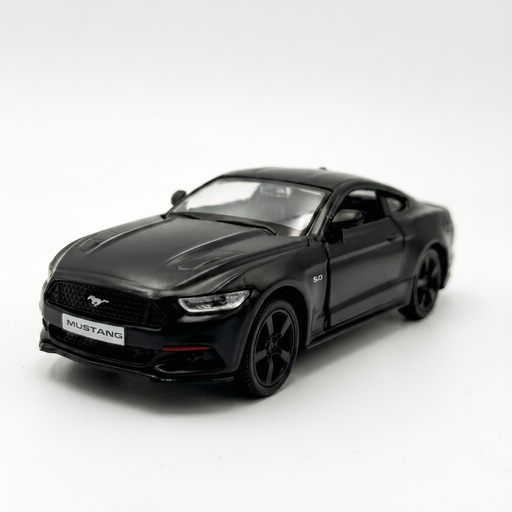
Why this choice suits this profile: Its mid-range size and friction motor make it a good first step into model cars, suitable for a teenager or an adult.
The listing specifies the 1:36 scale, opening doors and a recommended age of 14+, helping you understand its intended use.
Metal bodywork, opening doors and friction motor mechanism.
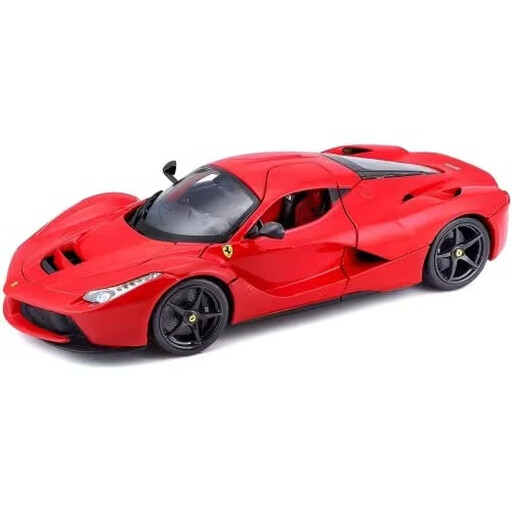
Why this choice suits this profile: This large Ferrari replica is aimed at collectors who have a suitable display cabinet and want a particularly detailed interior.
The listing clearly states the 1:18 scale, metal bodywork and opening doors, leaving no doubt about the size.
Die-cast metal, detailed interior and officially licensed Ferrari design, according to the product page.
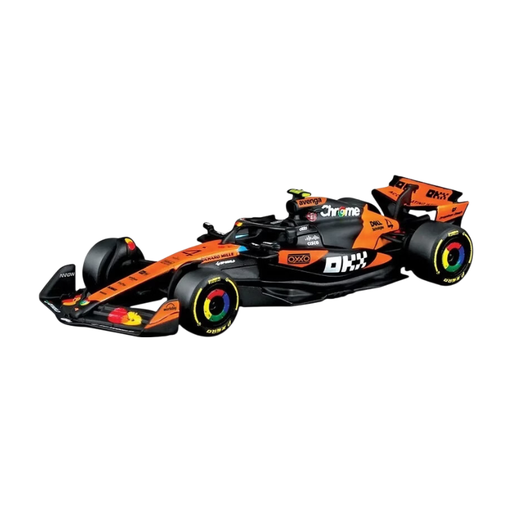
Why this choice suits this profile: Its compact size suits Formula 1 fans who want to collect several single-seaters, drivers or teams on one shelf.
The item is presented as a collectable model and comes with a display case, which limits direct handling.
1:64 scale, McLaren livery, die-cast metal and presentation case included.
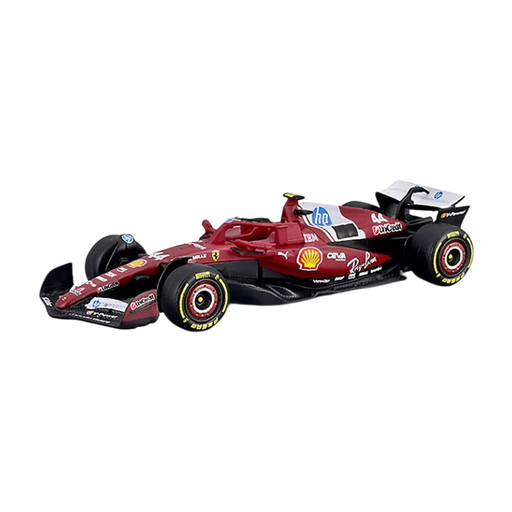
Why this choice suits this profile: Its small size and Ferrari livery make it an easy gift to display for any motorsport fan.
The listing details the driver, team, scale and card packaging, making it easy to check before buying.
Ferrari livery, model associated with Lewis Hamilton and electrostatic paint finish, according to the product page.
We’ve put together a comprehensive, real-time selection of products that meet these exacting criteria and comply with European safety regulations.
A collectable model car will keep its appearance for longer if handled with care. Use a soft, dry cloth – no solvents or abrasive products. Avoid water, which could reach the metal parts or mechanisms.
In a display cabinet, place your models:
Keep the original box if you plan to move your collection regularly. It protects the bodywork, wing mirrors and spoilers during transport.
1:43 generally offers the best balance between size and visible detail. 1:18 is better suited to a centrepiece display model, while 1:64 lets you build a series of race cars in a limited space.
It depends on the specific model. Many models contain small parts and are not recommended for children under 36 months. Others, intended for collecting, state a minimum age of 14 or 15. Always check the product warnings and avoid rough handling with highly detailed models.
Dust it with a soft, dry cloth – never submerge it. For hard-to-reach areas, use a very soft-bristled brush. Then store the car away from sunlight, humidity and heat to preserve its paintwork and plastic parts.