
Livraison le jour même ou le lendemain

Qualité garantie

Débloquez vos offres de bienvenue: Livraison GRATUITE | Jusqu'à -80 % | 30 jours d'essai gratuits à JoyPlus
Téléchargez l'application
A collagen supplement comes in various forms: powder, capsules, tablets or liquid shots. Relying solely on price or a promise of "overall beauty" could steer you towards a product that doesn't suit your habits.
Before making your choice, check three things: the actual amount per dose, the source of the collagen, and the full ingredient list. Terms like marine collagen, "hydrolysed" or "vegan" don't refer to the same type of product and don't meet the same dietary expectations.
A 180 g pot might seem better value than a box of 30 servings. However, the amount you need to take each day varies from one formula to another. For example, the Nutri&Co neutral-flavour powder provides 6,000 mg of collagen peptides per 6.1 g dose, while some capsules state a different amount per serving.
To compare products on an equal basis, note down:
Dietary collagen is generally obtained from animal sources, particularly fish or cattle. A vegan collagen, strictly speaking, is therefore not equivalent to hydrolysed marine collagen. Instead, plant-based formulas combine vitamins, minerals and plant extracts intended to support normal collagen synthesis.
The WeightWorld Vegan Collagen Advanced, for example, is presented as a plant-based formula without animal collagen. It contains vitamin C, vitamin E, zinc, hyaluronic acid, MSM and ferments, among other ingredients. This type of product may suit vegan or vegetarian consumers, but it's best to read the ingredient list carefully rather than assume it contains collagen peptides.
A food supplement does not replace a varied diet or medical supervision. Its effects can vary from person to person, depending on their diet and how consistently they take it. In France and the European Union, look for authorised nutritional claims, such as one stating that vitamin C contributes to normal collagen formation.
Phrases like "rejuvenated skin", "joint repair" or "guaranteed absorption" should be treated with caution when they are not clearly based on an authorised claim or verifiable nutritional information.
Marine collagen is typically sourced from fish and may suit consumers who avoid bovine or porcine sources. It often contains types I and III collagen, which are frequently associated with formulas aimed at skin, hair and nails, according to the product's presentation.
Hydrolysed collagen has been broken down into smaller peptide fragments. This term describes a manufacturing process, but on its own it is not a guarantee of effectiveness. Always check the collagen source and the amount provided per dose.
People with fish or shellfish allergies should avoid products containing fish derivatives. This precaution applies particularly to Nutri&Co powders, Swedish Collagen shots and WeightWorld products based on marine collagen.
Vitamin C is a useful criterion when it is stated at a precise dose. Zinc can contribute to the maintenance of normal skin, hair and nails, while vitamin D contributes to the maintenance of normal bones and normal muscle function. These nutritional functions should not be confused with a therapeutic promise.
Hyaluronic acid is also common in collagen with hyaluronic acid formulas. Its presence does not remove the need to check the dose, the ingredient list and the usage precautions.
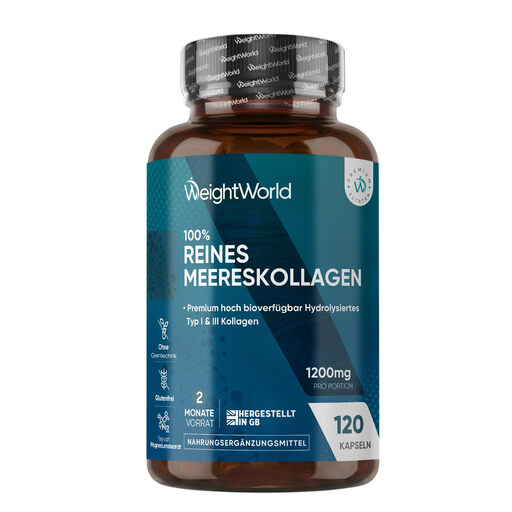
Why this choice suits the profile: its neutral, discreet format, taken as two capsules a day, is ideal for starting a routine without any preparation.
The product page clearly states the dose per serving, the fish origin and the absence of artificial flavour or colour.
120 capsules, hydrolysed peptides types I and III, a vegetable capsule and a neutral taste.
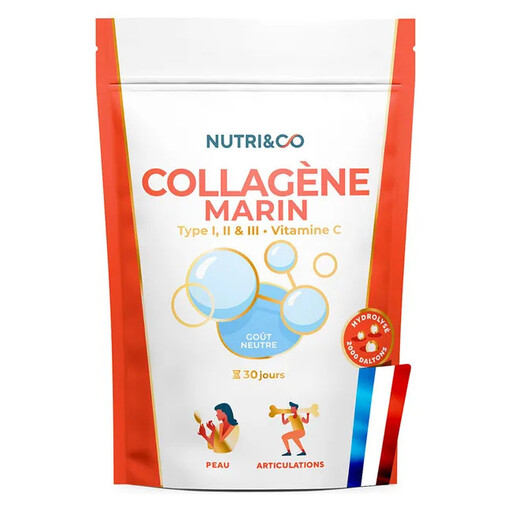
Why this choice suits the profile: this powder, with no added flavour, sweetener or colour, mixes easily into both hot and cold drinks.
The dose is clearly stated: 6,000 mg of hydrolysed peptides and 80 mg of vitamin C per serving.
Marine complex of types I, II and III, 24 servings per pouch and a formula with no added sugar.

Why this choice suits the profile: the individual ready-to-drink doses fit easily into busy workdays, travel and holidays.
The box states the number of servings, the 12,500 mg dose of hydrolysed marine collagen and the amount of sugar per stick.
30 sticks of 25 ml, with vitamin C, biotin, vitamin D and hyaluronic acid in each daily serving.
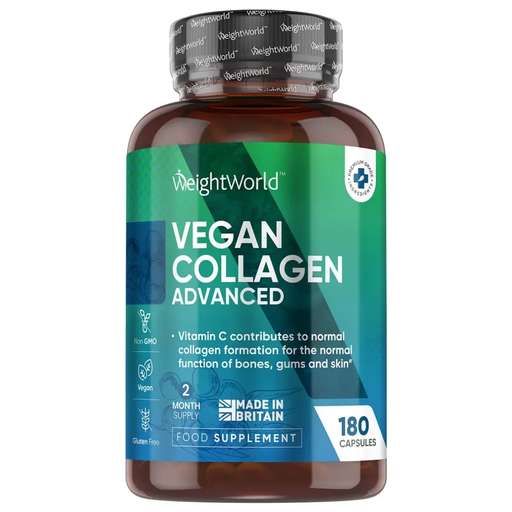
Why this choice suits the profile: presented as vegan, gluten-free and dairy-free, this formula is taken as three capsules a day.
The product page clearly distinguishes the plant-based formula from animal-derived collagen peptides and details its ingredients.
180 capsules, vitamin C at 100% NRV, zinc, vitamin E, hyaluronic acid and Lactobacillus acidophilus ferments.
We've put together an updated selection of supplements that meet these comparison criteria and the safety information applicable in France and the European Union.
The duration depends on the product's instructions and your goal. A box of 30 shots lasts 30 days, while some capsule products cover around two months. Stick to the recommended dose and do not extend use beyond the instructions without seeking advice from a healthcare professional.
Powder generally allows you to reach the stated dose with a single scoop and can be mixed into a drink. Capsules are easier to carry and require no preparation. To compare, look at the amount of peptides per dose, not the format used.
Yes, some formulas combine these ingredients. However, check the amounts, allergens and any contributions from other supplements. Vitamin C contributes to normal collagen formation, but a supplement does not replace a varied diet or medical advice if you are undergoing treatment, pregnant, breastfeeding or have an allergy.