
Livraison le jour même ou le lendemain

Qualité garantie

Débloquez vos offres de bienvenue: Livraison GRATUITE | Jusqu'à -80 % | 30 jours d'essai gratuits à JoyPlus
Téléchargez l'application
Collagen products now come in masks, serums, creams, capsules and drinks. But an attractive package or the promise of "rejuvenated" skin isn't enough to make the right choice. The format, the ingredients and the usage instructions deserve far more attention than the marketing claims.
A collagen serum, a collagen cream or a face mask works primarily on the skin's surface. Thanks to ingredients like glycerin or hyaluronic acid, it can improve the feeling of comfort and hydration. However, there is no evidence to automatically attribute the same effects as a dietary supplement.
A collagen-based dietary supplement is taken according to a precise dosage and may contain allergens or be subject to specific restrictions. These two categories therefore do not serve the same purpose.
Hydrolysed collagen is broken down into peptides, which makes it easier to incorporate into a powder, capsule or drink. The "low molecular weight" claim alone is not enough to judge the overall quality of the product. Also look at the amount per serving, the origin of the collagen, the other ingredients and the manufacturer's recommendations.
Marine collagen is derived from fish and is not suitable for people with seafood allergies. On the other hand, a formula marketed as vegan collagen typically does not contain animal collagen. Instead, it combines vitamin C, zinc, hyaluronic acid, amino acids or plant extracts. The ingredient list is therefore far more reliable than the product name.
The best format is the one that suits your routine. A product you will use regularly is generally more worthwhile than a very sophisticated formula that ends up forgotten at the back of a cupboard.
For a dietary supplement, look for a clear indication of the amount of peptides per serving. By way of comparison, some products show 1,170 mg per serving, while others state 6,000 mg or 8,000 mg. These figures cannot be compared directly: you also need to consider the number of capsules, the weight of the serving and the usage instructions.
Some formulas also contain vitamin C. According to EU regulations, this contributes to normal collagen formation, which is necessary for the normal function of the skin, bones, cartilage, teeth, gums and blood vessels. This claim relates to vitamin C and does not, on its own, guarantee an aesthetic effect for the whole product.
Always check:
For cosmetic skincare, also check for the presence of fragrance, denatured alcohol, retinol or essential oils, especially if your skin reacts easily. Before the first application, it is best to test the product on a small area.
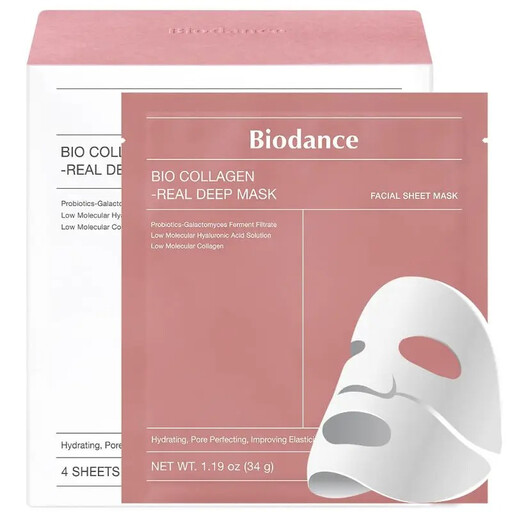
Why this choice suits this profile: With four ready-to-use masks, this set lets you discover collagen skincare without investing in a full range. The formula contains glycerin, niacinamide and hydrolysed hyaluronic acid.
The format clearly states the number of masks and how to apply them, without requiring a long course of treatment.
34 g mask, to be left on for 15 to 20 minutes or overnight, depending on the product instructions.
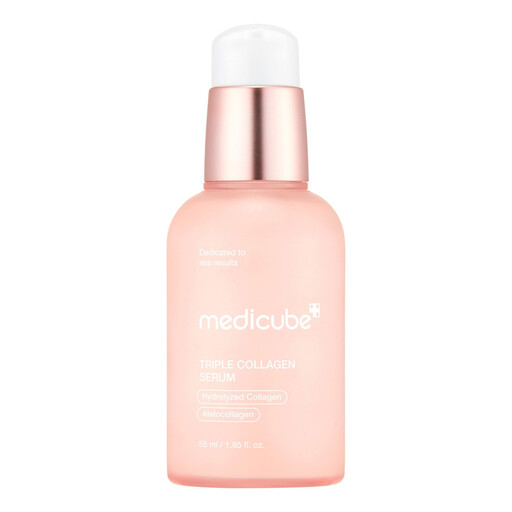
Why this choice suits this profile: This serum is ideal for those who enjoy a structured skincare routine, with a lightweight texture to apply after cleansing and toner.
The ingredient list allows you to identify several forms of collagen and hyaluronic acid, rather than relying solely on the product name.
55 ml bottle, with glycerin, niacinamide, adenosine and several hyaluronic acid derivatives.
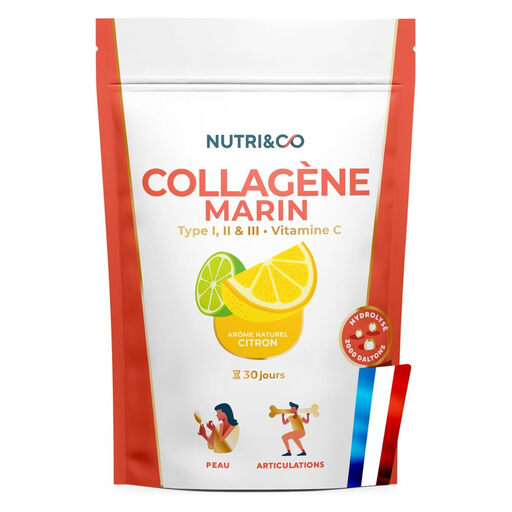
Why this choice suits this profile: This powder is aimed at those who want to add a supplement to their daily drink while precisely controlling the amount they consume.
The serving size is set at 7.5 g, providing 6,000 mg of hydrolysed marine collagen peptides. The presence of fish is clearly listed as an allergen.
Lemon-flavoured powder, sugar-free according to the product sheet, with 80 mg of vitamin C per serving and approximately 24 servings.
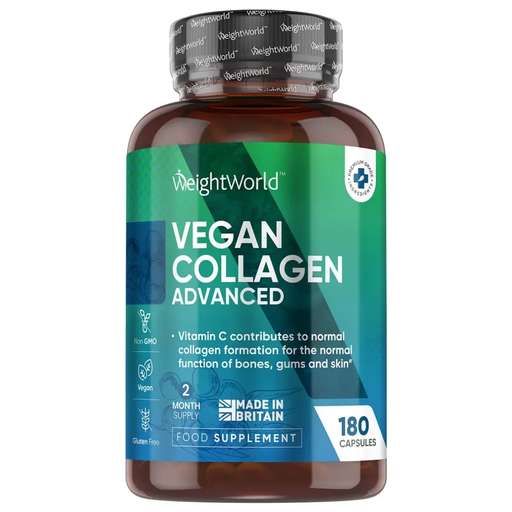
Why this choice suits this profile: Those who avoid animal-derived products can turn to a plant-based formula made with nutrients associated with normal collagen formation.
The product sheet states that it is a vegan formula, free from gluten and dairy, and recommends three capsules per day.
180 capsules, vitamin C, zinc, vitamin E, hyaluronic acid and Lactobacillus acidophilus cultures.
We have compiled a complete, real-time updated selection of products that meet these exacting criteria and European safety regulations.
For a cosmetic skincare product, apply it to clean skin and avoid the immediate eye area if the instructions do not allow it. Formulas containing retinol, such as certain toning pads, require special attention as well as the application of a suitable sunscreen.
For a collagen-based dietary supplement, never exceed the recommended dose. It is not a substitute for a varied diet or a balanced lifestyle. Pregnant or breastfeeding women, those taking medication and those with an allergy should seek advice from a healthcare professional. Store powders and capsules in a dry place, away from heat and light.
The duration depends on the format and the instructions on the packaging. A mask or serum is used according to your planned skincare routine, whereas a supplement should only be taken for the period indicated by the manufacturer and at the recommended dose.
A supplement containing hydrolysed collagen may suit someone looking for a measured daily intake. To hydrate the skin, a serum, cream or mask enriched with glycerin and hyaluronic acid fits more directly into a facial routine. Always check the allergens and authorised claims.
No. Marine collagen contains fish derivatives and is not suitable for people with fish or shellfish allergies. Vegan options generally avoid these ingredients, but they do not necessarily contain animal collagen. Careful reading of the label remains essential.