
Livraison le jour même ou le lendemain

Qualité garantie

Débloquez vos offres de bienvenue: Livraison GRATUITE | Jusqu'à -80 % | 30 jours d'essai gratuits à JoyPlus
Téléchargez l'application
Collagen products are now available in powders, tablets, drinks, creams, serums and masks. This gives you plenty of options to build a tailored routine, but it can also make choosing rather tricky. Amid the promises of firmness, radiance and hydration, some essential criteria can easily be overlooked.
Before you place your order, three common pitfalls are worth watching out for:
Marine collagen powder works well for people who are happy to prepare a drink and want to adjust their intake easily. Tablets and capsules are more convenient to carry around, but you may need to take several a day. Liquid collagen drinks are particularly handy for daily use and on the go, with pre-measured individual portions.
For skincare products you apply to the skin, it all depends on when you want to use them:
For a food supplement, compare the amount of collagen per serving, rather than the total weight of the bottle or sachet. Vitamin C is often added: according to authorised nutrition claims in the European Union, it contributes to normal collagen formation. This does not mean a supplement treats a disease or can replace a varied diet.
Also check the origin of the collagen. Marine collagen usually comes from fish: people with a fish or shellfish allergy should therefore avoid these products when this is stated on the label. For cosmetics, consult the INCI list and look out for hydrating agents such as glycerin, hyaluronic acid or ceramides.
If you have sensitive skin, choose a formula with a clear ingredient list and do a patch test on a small area before the first application. Some serums and Korean skincare products contain fragrance, denatured alcohol, retinol or several plant extracts. Patches and masks should not be applied to irritated or broken skin.
For supplements, stick to the recommended dose, check the best-before date and store the product away from heat and moisture. If you are pregnant, breastfeeding, on medication or have a known allergy, it is best to seek advice from a healthcare professional.
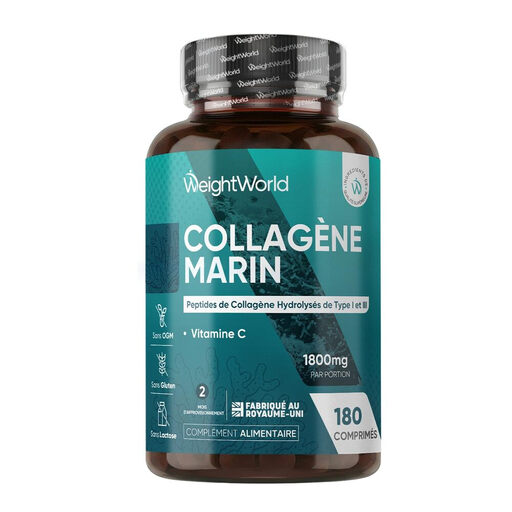
Why this choice suits this profile: The tablet format means you do not have to prepare a drink. The pot contains 180 units, with a recommendation of three tablets per day, giving you roughly two months' supply.
The amount per serving is clearly stated: 1,800 mg of marine collagen peptides and 90 mg of vitamin C for three tablets. The presence of fish is also indicated.
Unflavoured tablets that can be split, and are stated as lactose-free and gluten-free on the product page.
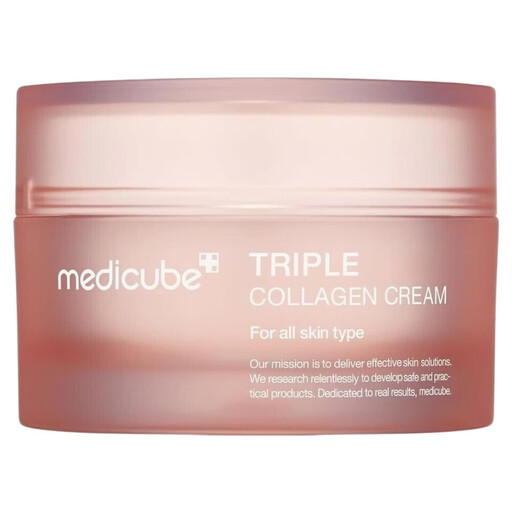
Why this choice suits this profile: This Korean cream is designed for those looking for a rich texture to complement a routine focused on hydration, firmness and skin elasticity.
The ingredient list details three forms of collagen, along with niacinamide, hydrolysed elastin and hyaluronic acid. The claims should be considered as formulation characteristics.
A cream texture, a 50 ml format and can be used morning and/or evening, according to the product page.
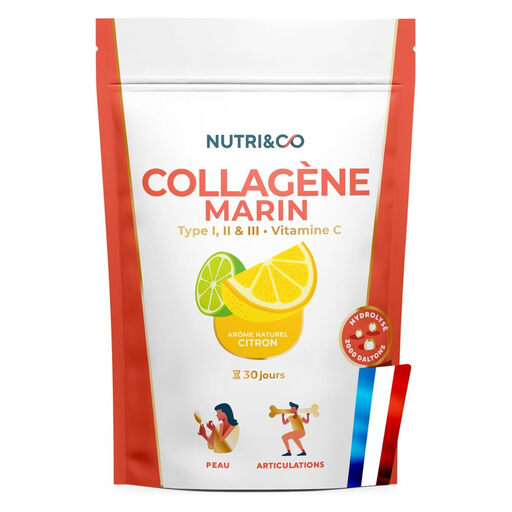
Why this choice suits this profile: The powder sachet is ideal for adults who want to mix their supplement with water and easily incorporate a measured portion into their routine.
The product page states a serving of 7.5 g, providing 6,000 mg of marine collagen peptides. It also specifies the presence of fish and storage conditions.
A lemon flavour and a formula with no added sugar, according to the description, plus 80 mg of vitamin C per serving.
We have compiled a comprehensive, real-time selection of products that meet these strict criteria and the requirements of European safety regulations.
Powder allows you to measure a portion precisely and mix it into a drink. Tablets are easier to carry around, while liquid drinks come pre-portioned. The right choice really depends on your habits, your preferences and whether there are any allergens or additives to consider.
Follow the date on the packaging and the storage instructions. Powder should be sealed tightly to prevent it from absorbing moisture. For a stick drink, consume the contents after opening. Skincare products should be stored away from heat and light, taking note of the period after opening when this is indicated.
These two categories serve different purposes and can be incorporated into separate routines. However, avoid piling on products without checking their ingredients, especially when several formulas contain vitamin C, niacinamide, retinol or fragrance. Reading labels carefully is still the best way to build a routine that works for you.