
Livraison le jour même ou le lendemain

Qualité garantie

Débloquez vos offres de bienvenue: Livraison GRATUITE | Jusqu'à -80 % | 30 jours d'essai gratuits à JoyPlus
Téléchargez l'application
Collagen is the talk of the town and, more importantly, in all our skincare jars. As a star ingredient for skin firmness, wrinkle reduction, and overall well-being, it has become a staple on both skincare and dietary supplement shelves. But with an overwhelmingly saturated market, how do you navigate the options? While the promises are appealing, not all formulas are created equal.
Finding your way through this jungle can quickly become a real headache. Many products rely on well-oiled marketing claims to mask disappointing formulas or negligible concentrations. Before you invest, it's best to know the most common traps to make an informed decision that's truly tailored to your needs.
To ensure you choose an effective product, you need to read between the lines on the packaging and focus on a few technical details that make all the difference.
Collagen is a large molecule. In its native form, its size prevents it from being properly absorbed by the skin or the body. This is why most quality products use collagen peptides, also known as hydrolysed collagen. This "cutting" process breaks it down into smaller fragments, radically facilitating their absorption and use by the body. Whether in a collagen serum or a collagen supplement, the mention of "hydrolysed" or "peptides" is an excellent indicator of bioavailability.
There are over 20 types of collagen in the human body, but three of them dominate the skincare and supplement market:
The source of the collagen is also a key factor. Marine collagen, derived from fish, is predominantly composed of Type I and is known for its excellent absorption.
The product format will depend on your objective:
Because every routine and every need is unique, here is a selection of products that stand out for their relevant formulations and approaches, catering to different user profiles.
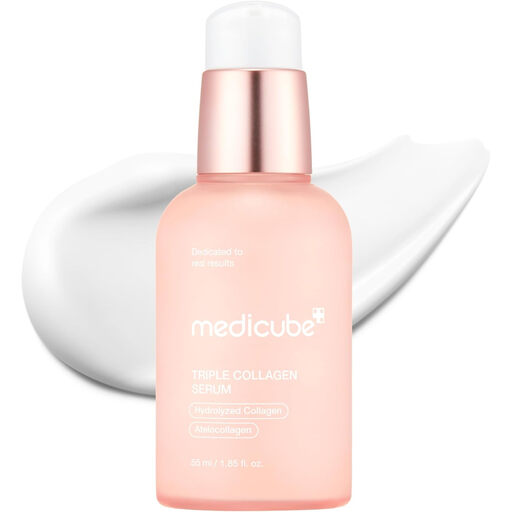
Why we recommend it: Ideal for those seeking a sophisticated topical treatment for a luminous, 'glass skin' effect. This serum fits perfectly into a multi-step routine inspired by Korean rituals.
Its formula features a "Triple Collagen Complex" (hydrolysed collagen, atelocollagen, and soluble collagen). This level of detail demonstrates a thoughtful approach to absorption and action at different skin levels, a far cry from the usual marketing ambiguity.
Its lightweight texture absorbs instantly without any sticky residue. We also appreciate the combination with niacinamide and patented extracts for targeted action on pores and blemishes.
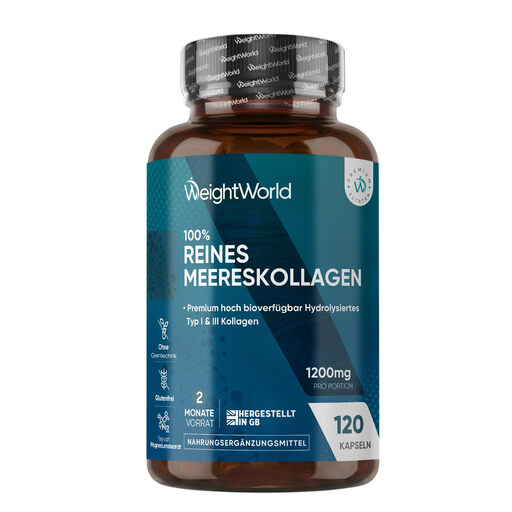
Why we recommend it: Designed for those who prefer a simple and effective 'inside-out' approach. This supplement integrates effortlessly into any daily routine: no prep, no taste.
The product page is all about transparency: it specifies a precise dosage of 1,170 mg of hydrolysed marine collagen peptides per serving and clarifies that it contains Types I and III. This is a world away from vague claims.
The convenient, tasteless capsule format. Its formula is clean, with no unnecessary additives. The bottle provides a 2-month supply, making it a very budget-friendly option.
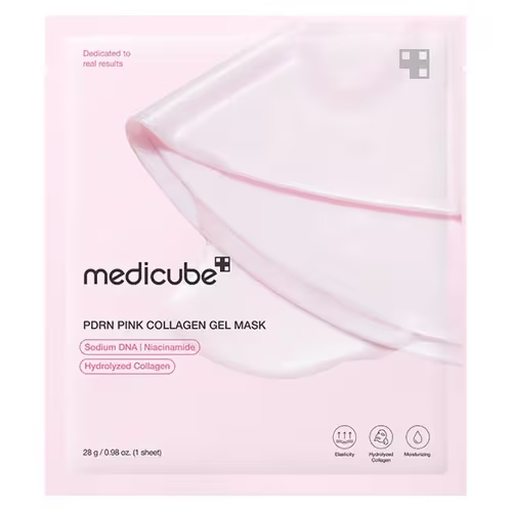
Why we recommend it: Perfect for those who love to turn their skincare routine into a true ritual. This innovative hydrogel mask offers a unique sensory experience and prolonged action, ideal for the curious who enjoy testing cutting-edge delivery systems.
It avoids the trap of the superficial "quick-fix" mask thanks to its hydrogel technology. The mask becomes transparent as the skin absorbs the active ingredients, a visual indicator that justifies a long wear time (up to 3 hours) for deep delivery.
Its ultra-comprehensive formula combines hydrolysed collagen, PDRN (salmon DNA), a peptide complex, niacinamide, and adenosine. A powerful cocktail for firming, hydrating, and regenerating action all at once.
We have curated a complete selection of products that meet our quality criteria and comply with current regulations.
Marine collagen is extracted from the skin, bones, and scales of fish. Mostly Type I, its peptides are smaller in size, which often means better absorption. Bovine collagen, derived from the skin and bones of cattle, is rich in Types I and III. The choice will depend on your personal preferences, ethical considerations, and any potential allergies, as marine collagen is not recommended for individuals with fish allergies.
Natural collagen production begins to decline as early as age 25-30. Incorporating a collagen treatment or supplement can therefore be beneficial from your thirties onwards, when the first signs of firmness loss or fine lines appear. There is no absolute rule: the key is to listen to your skin's needs.
Absolutely, and it's an excellent strategy. The collagen serum acts locally on the skin's hydration and appearance, offering an almost immediate smoothing and plumping effect. In parallel, the dietary supplement works from the inside to provide the body with the building blocks needed to synthesise its own collagen over the long term. This two-pronged approach is particularly effective in a comprehensive anti-ageing strategy.