
Livraison le jour même ou le lendemain

Qualité garantie

Débloquez vos offres de bienvenue: Livraison GRATUITE | Jusqu'à -80 % | 30 jours d'essai gratuits à JoyPlus
Téléchargez l'application
Buying a cola seems simple… until you start comparing brands, sizes and recipes. Between classic cola, sugar-free cola, individual cans and family packs, the differences go far beyond the price tag.
Some mistakes crop up time and again:
To compare two fizzy drinks, start by looking at the nutritional information per 100 ml, then check the values for a can or bottle. For reference, Coca-Cola Original Taste and SOLO Kola Champion both contain 10.6 g of sugar per 100 ml, which is about 35 g in a 33 cl can.
Jarritos Mexican Cola has 9.3 g of sugar per 100 ml, while the Pepsi Regular Cola featured here contains 4.55 g of sugar per 100 ml and includes sweeteners. These figures come from the product listings provided and may vary depending on the market or batch labelling.
A sugar-free cola typically has a very low energy value, but its recipe isn't necessarily comparable to a classic cola. Always check the sweeteners used and any warnings on the packaging.
The container you choose affects storage, serving and how long it stays fresh:
Cans are easy to serve and mean you don't have to store an open bottle. Larger bottles, however, reduce the number of units you need to keep in stock and are practical for family meals.
Original cola usually has a sweet, tangy and slightly spicy profile. A flavoured cola adds a distinctive note, such as cherry, vanilla or peach. Imported options, like a Mexican cola, may offer a different recipe or size from what you'd normally find in the UK.
Origin alone isn't a reliable guide to taste. Instead, look at the ingredients list, the caffeine content, the type of sweeteners used and the storage instructions. For imported products, also check that the label includes the contact details of the responsible party established in the European Union.
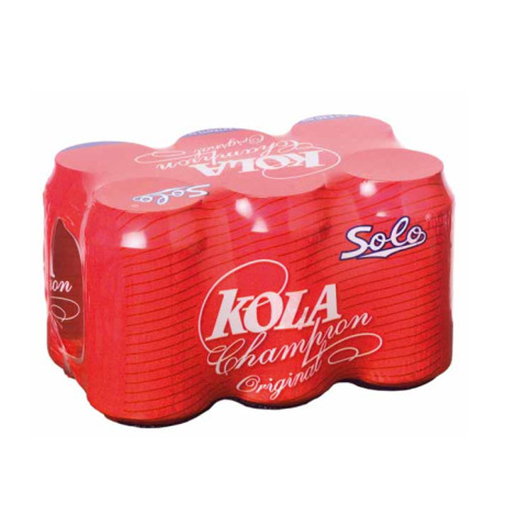
Why this pick suits this profile: With six 33 cl cans, this pack lets you try a cola in individual servings without committing to a large volume straight away.
The format means you won't be left with a large bottle that loses its fizz after opening. The listing shows 42 kcal and 10.6 g of sugar per 100 ml.
Six cans, totalling 1.98 litres, made in France according to the listing, and no declared allergens.
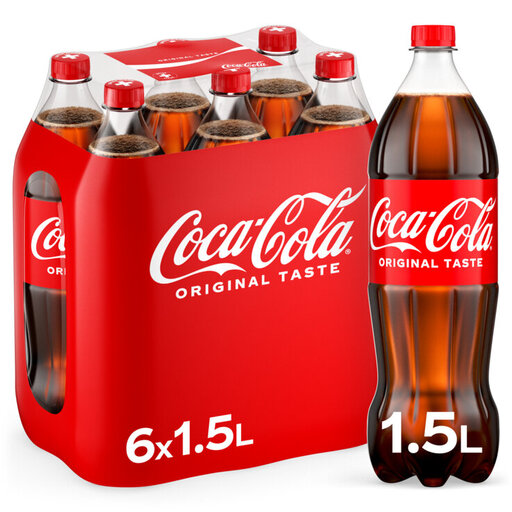
Why this pick suits this profile: Fans of Coca-Cola's original taste who regularly host meals or want to stock up will appreciate this generous family-sized volume.
The total volume is clearly stated: six 1.5 litre bottles. Just make sure you have enough storage space and put any opened bottle in the fridge.
A 9-litre pack, with a sugary recipe, 42 kcal and 10.6 g of sugar per 100 ml according to the product listing.
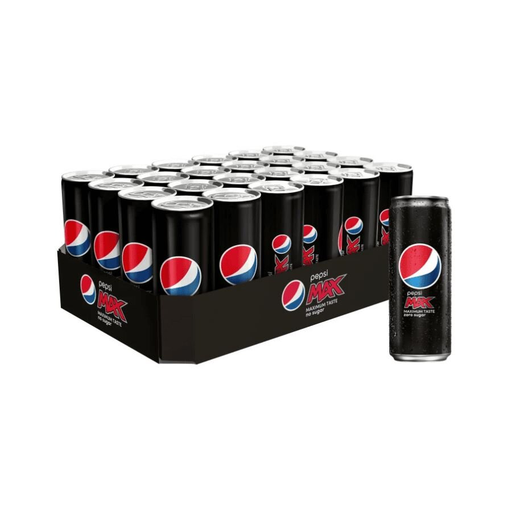
Why this pick suits this profile: This 24-can carton is ideal for households, offices and events where sugar-free soda is regularly served.
The "zero sugar" claim is backed up by precise nutritional values: 0 g of sugar and around 0.4 kcal per 100 ml. The listing also notes it's a source of phenylalanine.
24 cans of 33 cl, totalling 7.92 litres, easy to store away from light.
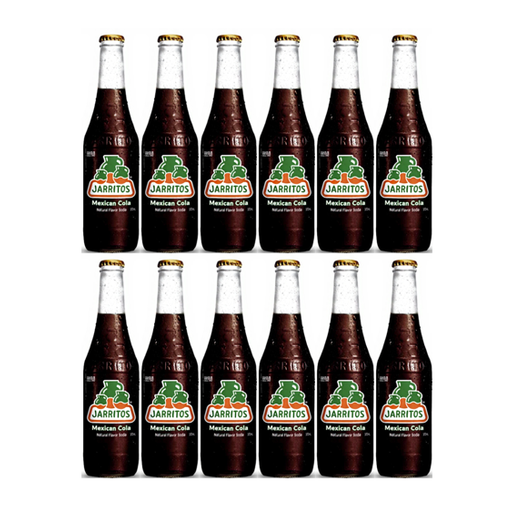
Why this pick suits this profile: With its 370 ml format and Mexican cola positioning, this product is aimed at anyone looking for something different from the cola usually sold in the UK.
The pack clearly states the number of bottles, the volume of each unit and the values per 100 ml and per bottle: 37 kcal and 9.3 g of sugar per 100 ml.
12 bottles of 370 ml, with natural flavours listed, and refrigeration recommended after opening.
We've put together a full, real-time updated list of products that meet these strict selection criteria and European safety regulations.
For regular use, 1.5 litre bottles offer a generous volume. For a party, a pack of 33 cl cans makes serving easy and limits leftovers after opening. Think about how many people you're catering for before ordering, so you don't end up with an excessive amount.
The products labelled as sugar-free typically show 0 g of sugar per 100 ml, but they do contain sweeteners. Always check the ingredients list and the phenylalanine warning if it appears on the packaging.
The shelf life depends on the instructions on the packaging. The listings we checked generally recommend keeping the bottle in the fridge and drinking it within two to three days, while some products suggest a 24-hour window. Resealing the bottle quickly helps slow down the loss of fizz.