
Livraison le jour même ou le lendemain

Qualité garantie

Débloquez vos offres de bienvenue: Livraison GRATUITE | Jusqu'à -80 % | 30 jours d'essai gratuits à JoyPlus
Téléchargez l'application
Changing your tableware seems fairly straightforward… until you have to compare capacities, materials and care instructions. A cup that is too small can make coffee cool within minutes, an oversized mug takes up half the cupboard, and an unsuitable glass may crack at the slightest thermal shock.
To choose the right coffee and tea cups and mugs, it is better to rely on practical criteria than on attractive manufacturer photographs.
A 350 ml mug will not necessarily hold 350 ml of drink: its shape may mean you need to leave a few centimetres below the rim. Conversely, an 80 to 120 ml espresso cup is perfect for a small serving, but far too limited for a long coffee or latte.
The capacity should therefore match how you intend to use it :
A ceramic mug, a porcelain cup and a double-walled glass do not provide the same experience in use. Ceramic appeals with its warm appearance and good stability on the table. Transparent glass allows you to enjoy the different layers of a latte or the colour of a tea, but it requires greater care in the event of an impact.
In an insulated coffee glass, the double wall creates a layer of air between the two surfaces. This limits heat transfer to your hand and reduces condensation with cold drinks. However, you should still consult the manufacturer's recommendations, particularly those concerning thermal shock.
The words “dishwasher safe” do not guarantee that every finish will retain the same appearance after repeated washing. Textured surfaces, pastel colours and bamboo elements may require gentle washing and even careful drying.
Before placing your order, also remember to check :
A ceramic mug is an easy choice for everyday breakfasts and coffee breaks. It feels familiar in the hand and there is an almost endless range of styles available. More delicate in appearance, porcelain cups are particularly well suited to a tea service or an elegant table setting.
Borosilicate glass is often used for double-walled glass mugs. Several models in this selection claim to offer good resistance to temperature changes. As a precaution, however, it is still best to avoid pouring a boiling-hot liquid into a cold container or placing a hot glass on a wet surface.
A handled coffee cup is easier to hold when the drink is very hot. Japanese cups without handles focus more on direct contact with the side of the cup. When preparing matcha, a wide cup or a dedicated bowl provides enough room to whisk the drink without spilling it everywhere.
Weight also matters, particularly for repeated use at the office or at home. A lightweight model is easy to move, while a thicker piece often feels more stable. The key point is to check that the diameter suits your hand and your coffee machine.
A cup set is ideal for entertaining or adding to tableware you already own. A set of two mugs is suitable for a couple and means you have a spare. Sets of four or six cups are more practical for families, tastings or serving breakfast.
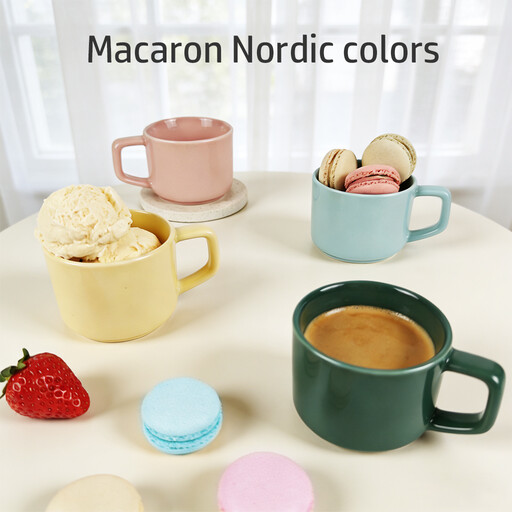
Why this choice suits this profile : With a capacity of 120 ml and four colours, these ceramic cups are a simple and versatile first purchase. They are suitable for espresso, tea, desserts or even condiments.
The capacity is clearly stated and the compact size helps prevent overloading your cupboards. Hand washing is recommended to preserve the vibrancy of the colours.
Four pastel shades, a capacity of 120 ml and a ceramic construction stated to be suitable for food contact.
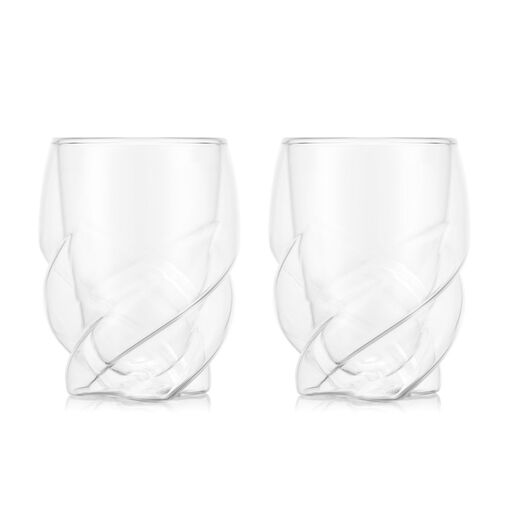
Why this choice suits this profile : This pair of mouth-blown borosilicate glasses is aimed at anyone who values presentation just as much as the finish of their tableware.
The product details state the 270 ml capacity, double wall and dishwasher compatibility. They also recommend avoiding thermal shock.
A double wall, transparent finish and a 270 ml size suitable for coffee, tea, water or cocktails.
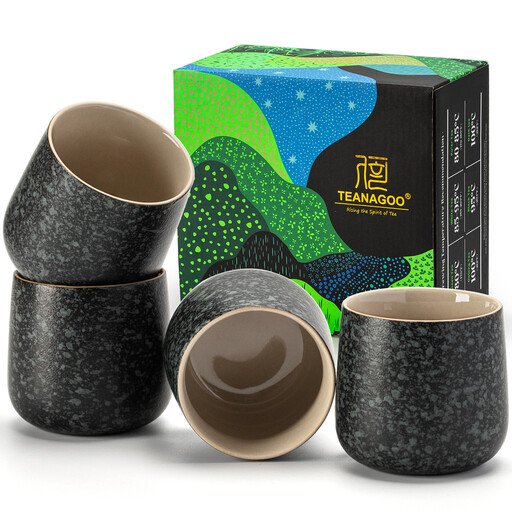
Why this choice suits this profile : Tea, sake, coffee and other hot drink enthusiasts will appreciate this handleless design, made for 205 ml servings and a matching set.
The capacity, number of pieces and usage instructions are clearly stated. The product details also explain that hand washing helps preserve the textured finish.
A set of four 205 ml cups with a smooth interior and textured exterior. The product details mention lead- and cadmium-free ceramic.
We have brought together a complete, real-time updated selection of products that meet these demanding criteria and European safety standards.
For espresso, an 80 to 120 ml cup is generally sufficient. A 160 to 205 ml size is suitable for a short coffee, tea or matcha. For a milky coffee, cappuccino or cold drink, it is better to choose a 250 to 350 ml mug.
The double wall slows heat exchange between the drink and the outside of the container. It can therefore help maintain the temperature for longer, while keeping the outer surface more comfortable to touch. The result nevertheless depends on the starting temperature, the amount served and how long it takes to drink it.
Avoid impacts, sudden temperature changes and abrasive products. Check the rim and surface regularly. For textured or coloured pieces, as well as bamboo accessories from a matcha set, follow the washing instructions and dry them thoroughly before putting them away.