Households with varied tastes
If several people share the same pack, a classic blend described as balanced is a good benchmark. Senseo, Carrefour and Auchan offer options of this kind; check that they’re compatible before choosing.


When doing your weekly shop, first check which format your machine accepts, then choose a blend to suit everyone at home: a classic blend for a balanced flavour, a mild one for a less intense cup, a strong blend or espresso for a bolder taste, or a clearly labelled decaffeinated option if you want to cut down on caffeine. Then choose the number of pods to suit how much you drink and how the pack should be stored once opened.
If several people share the same pack, a classic blend described as balanced is a good benchmark. Senseo, Carrefour and Auchan offer options of this kind; check that they’re compatible before choosing.
Labels such as Strong, Extra Strong and Espresso point to different tasting profiles from a classic blend. The stated intensity can help you compare products within the same range, but it doesn’t tell you how much caffeine they contain.
If you want decaffeinated coffee or need to plan for several days’ consumption, consider these two needs separately: look for the ‘decaffeinated’ label on the coffee, then check the number of pods and storage instructions on the pack.
Start with compatibility, as the word ‘pod’ covers several formats. Then consider the flavour profile and pack size, based on what your household actually drinks.
| Criterion | What to check | Who is this for? |
|---|---|---|
| Compatibility | The exact compatibility information on the pack and the format accepted by your machine, as stated in its manual. Don’t assume an ESE pod will work in a Senseo machine. | If I don’t yet know which format my machine accepts, I want to avoid buying a pack I can’t use. Around 33% of consumers rank compatibility as their main concern. |
| Coffee profile | Look for Classic, Mild, Strong or Espresso, and check the Arabica/Robusta blend if it’s shown on the pack. Compare intensity within the same range. | When we share coffee every day, I look for a profile that suits everyone at home rather than choosing an intensity at random. Taste comes first for around 27% of consumers. |
| Pack size | The number of pods, net weight and storage instructions after opening, considered alongside how quickly you’ll use them. | For my weekly shop, I prefer a pack that the household can use and store properly. Around 27% of consumers prioritise pack size above all else. |
| Decaffeinated or speciality recipe | Look for the ‘decaffeinated’ label if needed. For a milk-based or flavoured drink, also check the ingredients and allergen information. | If I want to cut down on caffeine, a ‘Mild’ label alone doesn’t meet my needs. Around 13% of consumers prioritise finding decaffeinated coffee or a specific recipe. |
Pods labelled as compatible with Senseo, ESE pods and capsules designed for other systems aren’t interchangeable just because they’re all called pods.
Before adding a pack to your basket, check its compatibility information against the format specified in your machine’s manual.
‘Mild’ describes a flavour profile. Senseo and supermarket own-brand ranges distinguish this profile from their decaffeinated options.
If you want to cut down on caffeine, look for a product clearly labelled ‘decaffeinated’ rather than relying on its flavour description alone.
A large number of pods is only useful if your household drinks that blend regularly enough and can store it as instructed.
Count how many cups you usually make, then check the net weight and the pack’s instructions for storage after opening.
How a product should be disposed of depends on its materials and the collection or composting facilities available locally. ADEME’s guidance on paper capsules doesn’t mean that all soft pods are suitable for composting.
Check what the pod is made from and your local council’s recycling and disposal guidance before throwing it away or composting it.
These ranges offer useful points of comparison for the formats and flavour profiles of everyday coffee pods. Check compatibility for each individual product.
The Senseo soft pod range includes Classic, Mild, Strong, Extra Strong, Espresso and Decaffeinated profiles.
Carrefour’s Sensation pods are described as compatible with Senseo and include Classic, Intense, Mild and Decaffeinated profiles.
Auchan stocks pods listed as compatible with Senseo, including Classic, Strong and Decaffeinated options.
Carte Noire offers products listed as compatible with Senseo, including Classic, Strong, Espresso and Decaffeinated options, as well as ESE-format soft pods.
These Joybuy options are listed as compatible with Senseo: two to compare classic or moderate flavour profiles, and two for those who prefer a more intense taste. Pack sizes vary, so start by choosing the profile and format that suit your habits.
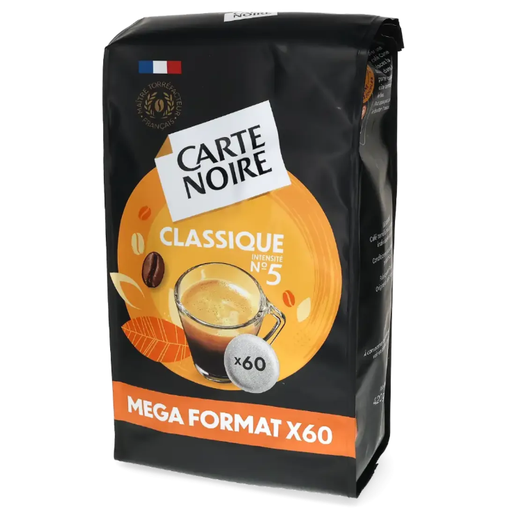 Image unavailable
Worth considering if everyone at home enjoys a classic coffee and you’ll use a 60-pod pack regularly.
The product listing states that it’s compatible with Senseo machines and describes its intensity as medium. Check which format your machine accepts.
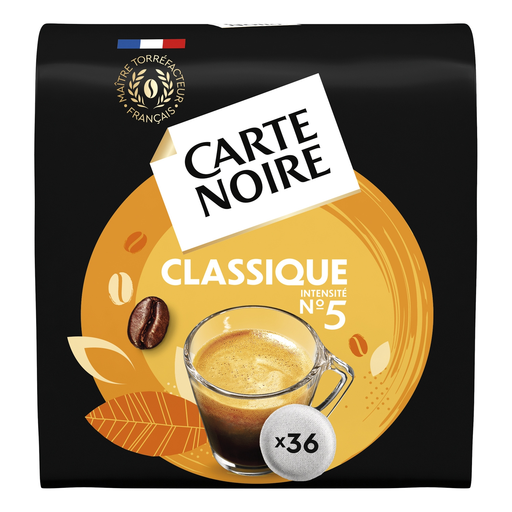 Image unavailable
A 36-pod pack lets you choose a size to suit the number of cups you make during the week.
Despite the Espresso name, check the profile shown on the pack if you’re looking specifically for a very strong coffee. Also check that it’s compatible with your machine.
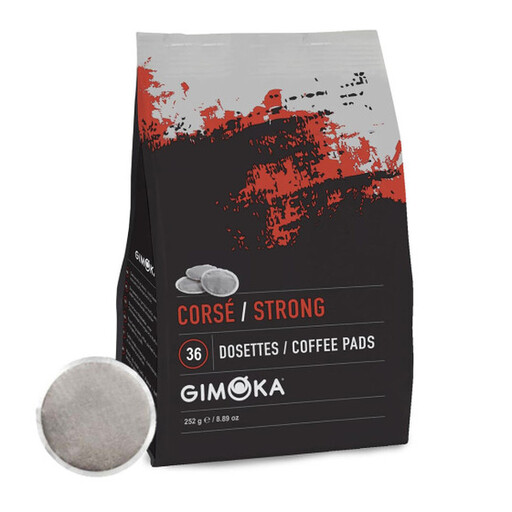 Image unavailable
Worth a look if you prefer a blend described as strong over a classic or mild coffee.
The pack contains 36 pods and weighs 252 g. Check that it’s compatible with your machine, and consult local guidance before disposing of the pods.
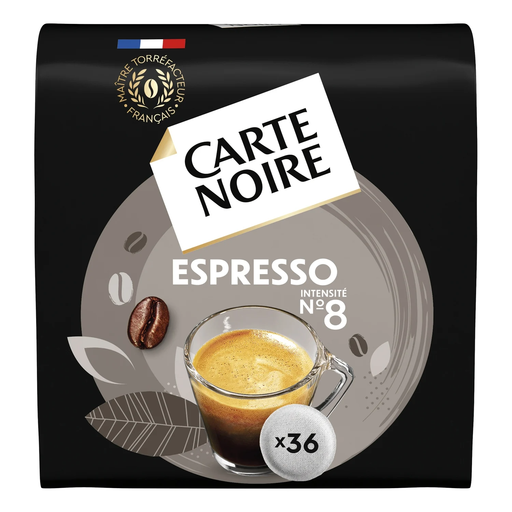 Image unavailable
This option is for those who prefer an espresso profile described as more intense than a classic blend from the same range.
The pack contains 36 pods. Check that your machine accepts the Senseo format listed for this product.
Check that the pack clearly states which system it works with. A pod listed as ESE format shouldn’t be treated as compatible with Senseo. If you’re unsure, consult your machine’s manual.
No. ‘Mild’ describes the flavour profile; it doesn’t mean ‘decaffeinated’. If you want to cut down on caffeine, choose a product clearly labelled ‘decaffeinated’.
Not necessarily. Choose the number of pods to suit how much of that blend you drink. For its 40-pod Classic option, the Joybuy listing recommends storing it away from heat and moisture and, ideally, using it within 2 to 3 weeks of opening. Check the instructions on the pack you buy.
No. Don’t rely on a paper-like appearance alone. ADEME explains that paper capsules can only be composted if a suitable composting solution is available. For a specific pod, check its material and local guidance.
No. A Cappuccino recipe may contain other ingredients. The Joybuy listing for Senseo Milky Cappuccino names milk among its ingredients and allergens, so read the label for the product you’re considering before adding it to your basket.