People with a soft pod coffee machine
If you make coffee with a Senseo machine, check that the pods are compatible before choosing a flavour profile.


Start by choosing according to the equipment you have: soft coffee pods need a compatible machine, while instant coffee in a jar can be made with hot water and no pod machine. When it comes to pairing coffee with a savoury breakfast, choosing a classic or strong flavour profile comes down to personal taste. If you want to limit your caffeine intake, look for a product explicitly labelled decaffeinated rather than one with a low intensity rating.
If you make coffee with a Senseo machine, check that the pods are compatible before choosing a flavour profile.
Instant coffee in a jar lets you make a cup with hot water and adjust the amount to suit, without needing a pod machine.
These two preferences call for different checks: look for ‘decaffeinated’ if you want to limit caffeine, and read the flavour description if taste is your priority.
For a savoury breakfast, start by distinguishing between soft coffee pods and instant coffee: they require different equipment. Then compare the flavour information and, if it matters to you, check for the ‘decaffeinated’ label.
| Factor | What to check | Who it matters to |
|---|---|---|
| Compatibility | Check which system your machine uses and look for ‘Senseo compatible’ if you’re buying soft coffee pods. An espresso capsule is a different format. | If I already have a machine, I want pods that work with its system; around 36% of consumers put compatibility first. |
| Making coffee without a machine | Look for ‘instant coffee’ and check the weight of the jar. | If I want to keep coffee in the cupboard without relying on a pod machine, I prefer to be able to measure out each cup; this convenience is the top priority for around 29% of consumers. |
| Coffee flavour | Read the flavour description and the stated intensity, but don’t assume that different brands’ scales can be compared directly. | With eggs, bread or cheese, I choose between a classic coffee and a stronger profile according to my preferences; around 21% of consumers prioritise this choice of flavour. |
| Caffeine | Look specifically for the ‘decaffeinated’ label: flavour intensity does not tell you how much caffeine the coffee contains. | If I want to limit my caffeine intake, I need to identify a decaffeinated product rather than go by its taste; this need comes first for around 14% of consumers. |
These products are made in different ways. A jar of instant coffee is ideal if you want coffee without a pod machine; a pod or capsule needs to match the system your machine is designed for.
Check the product description and your machine type before comparing brands.
The stated intensity describes the flavour profile, not the caffeine content. Anses notes that people’s sensitivity to caffeine varies.
If you’re looking to limit your caffeine intake, check that the product you choose is labelled ‘decaffeinated’.
End-of-life instructions depend on the product and the local collection options available. A label stating that a pod is industrially compostable does not mean it is suitable for home composting.
Read the packaging, then check your local council’s collection guidelines. Citeo notes that collection methods vary from one area to another.
Senseo makes soft pods for its machines, including classic and decaffeinated options.
Carte Noire features on both a jar of instant coffee listed by Carrefour and soft pods compatible with Senseo machines listed by Auchan.
Carrefour offers, among other products, a Carrefour Sensation classic coffee pod option compatible with Senseo machines.
Auchan offers an Auchan Bio classico pod option that is compatible with Senseo machines.
These products include a jar of instant coffee for making a cup without a pod machine, as well as pods compatible with Senseo for those who already have one. Choose your format first, then find the profile that suits you.
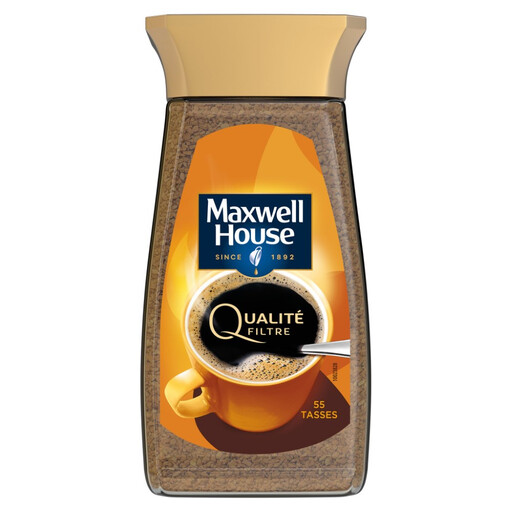 Image unavailable
Worth considering if you want to make coffee without a pod machine and measure out each cup.
100 g jar of instant coffee: this format is not a substitute for a pod in a coffee machine.
Check the information on the packaging before buying.
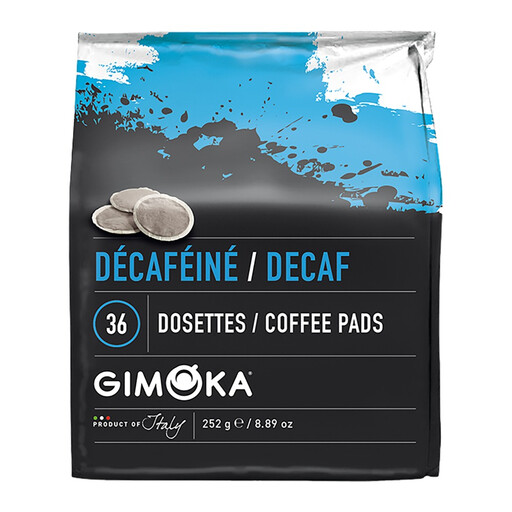 Image unavailable
For a Senseo-compatible machine if you’re looking for pods labelled ‘decaffeinated’.
Pack of 36 pods, 252 g. If you need to know the precise caffeine content, check the packaging.
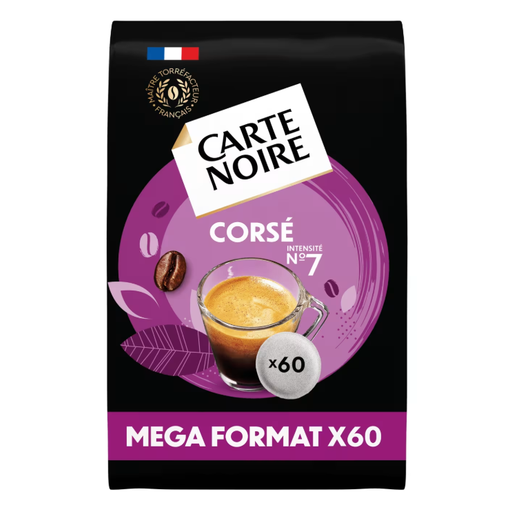 Image unavailable
Worth considering if you have a Senseo-compatible machine and prefer a profile described as strong.
Pack of 60 pods. The ‘N°7’ name doesn’t tell you the caffeine content or allow you to compare this coffee directly with another brand’s scale.
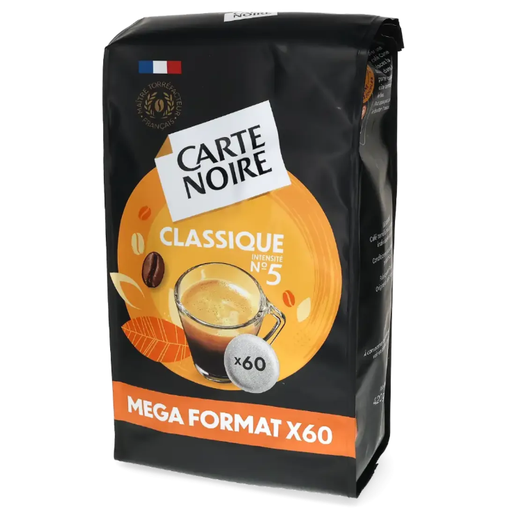 Image unavailable
For a Senseo-compatible machine if you’d prefer the Classique option to the Corsé option.
Pack of 60 pods. If you want to limit your caffeine intake, look for an explicit ‘decaffeinated’ label on the product you choose.
No. Instant coffee is made with hot water, while a Senseo machine uses compatible soft pods. Don’t put instant coffee in the pod holder.
Check which system your machine uses, then look for a clear label such as ‘Senseo compatible’ on the pods. An espresso capsule is not automatically compatible with a soft pod machine.
Follow the instructions on the pack you’ve bought. For its Auchan Bio pods compatible with Senseo, Auchan advises storing them away from heat and moisture and resealing the pack after opening.
Flavour intensity doesn’t tell you how much caffeine a coffee contains. If you want to limit your caffeine intake, look for a product labelled ‘decaffeinated’. Anses notes that people’s sensitivity to caffeine varies.
Check the details you need to make your choice, including the product name, quantity and any ‘decaffeinated’ label you’re looking for. The Directorate General for Competition Policy, Consumer Affairs and Fraud Control states that mandatory information must be visible, legible and provided at least in French.