People who already use a Senseo machine
To make coffee for an afternoon break without measuring out ground coffee, they should first choose a product listed as compatible with their machine. Flavour and the ‘decaffeinated’ label come next.


For an afternoon coffee, first choose a pod or capsule that’s listed as compatible with the machine already in use: Senseo, ESE and system-specific capsule formats are not automatically interchangeable. If caffeine is a concern, look for a product explicitly labelled decaffeinated rather than relying on its flavour intensity alone. Then buy an amount that suits how often the coffee will be enjoyed, and check the recycling instructions for the format you choose.
To make coffee for an afternoon break without measuring out ground coffee, they should first choose a product listed as compatible with their machine. Flavour and the ‘decaffeinated’ label come next.
If sleep or medication makes caffeine a concern, it’s important to distinguish ‘decaffeinated’ from simply ‘mild’. Anses notes that caffeine can affect sleep, and that its effects vary from person to person.
They can choose an amount that suits how much coffee is actually made, avoid format mix-ups and check where to put pods or capsules after use. For aluminium or plastic capsules, ADEME recommends putting them in the recycling stream for paper and packaging.
Consider these: if the machine accepts this format and you want to make coffee without filling a capsule.
Check: an ESE pod or a capsule for another system won’t automatically work instead.
Consider these: if the appliance instructions explicitly state that it accepts the ESE standard.
Check: the term ‘soft pod’ alone doesn’t confirm compatibility with a Senseo machine.
Consider these: when the machine in use accepts the specific system named on the box.
Check: these capsules won’t replace a Senseo pod, and their material also determines how they should be recycled.
Consider this: if the user or someone close to them wants to fill a container that’s compatible with ground coffee.
Bear in mind: filling and cleaning it add extra steps to each brew.
When serving coffee to an older person in the afternoon, the machine’s format, the importance of caffeine and the amount they’ll actually drink all help guide the choice.
| Criteria | What to check | Who it matters to |
|---|---|---|
| Compatibility and preparation | Compare the machine instructions with the exact wording on the pack: Senseo-compatible, ESE or a capsule system. If you’re using a reusable container, check the appliance model too. | If I’m making coffee and don’t want to fill a container, my first concern is finding a pack that works with the machine; around 40% of consumers would put compatibility and ease of use first. |
| Caffeine and flavour | Look for ‘decaffeinated’ or ‘half-caffeinated’ on the specific product; use the stated intensity as a guide to flavour, not caffeine content. | For an afternoon coffee, I want to distinguish a decaffeinated option from a coffee that’s simply mild; caffeine would be the priority for around 40% of consumers. |
| Quantity and waste | Check the number of pods and choose a pack that suits how much you drink. Check the material and the recycling or composting options available. | If I only drink coffee occasionally, I’d rather avoid unused pods and plan for their disposal; around 20% of consumers would prioritise the amount purchased and the waste it creates. |
Carte Noire describes its soft pod range as ESE, while Carrefour lists some Carte Noire products as Senseo-compatible. So the brand name alone isn’t enough to help you choose the right format.
Note down the machine model, then check its instructions and the compatibility information on the specific pack.
An incompatible pack may be unusable in the pod holder.
An intensity label describes the flavour profile, not the amount of caffeine. This distinction matters especially for an afternoon coffee if sleep is a concern: Anses describes how caffeine can affect how easily you fall asleep and the quality of your sleep.
If reducing caffeine is your main priority, look for ‘decaffeinated’ on a product that’s compatible with the machine. If you have questions relating to medication or a health condition, ask a healthcare professional for personalised advice.
A large pack is less suitable if coffee is only made occasionally or the chosen flavour isn’t popular.
First check compatibility and taste with an amount that suits your needs, then adjust your purchases to match how often you drink coffee.
Unused pods take up space and may end up being thrown away.
According to ADEME, aluminium or plastic capsules go in the recycling stream for paper and packaging. Whether paper can be composted depends on the product and the options available locally.
Identify the material of the container you choose and check its disposal instructions before deciding what to do at home or in a care residence.
The French Senseo range includes pods for its system, with options such as Doux, Classique, Corsé and Décaféiné.
Carte Noire offers soft pods, including decaffeinated and half-caffeinated options, and describes its range as using the ESE standard.
Carrefour includes Carrefour Sensation products in its range of Senseo-compatible pods, including a decaffeinated option.
E.Leclerc’s Plantation range includes soft pods, including a decaffeinated option, as well as products for other systems.
These products are for machines compatible with Senseo, Nespresso or Dolce Gusto. For an afternoon coffee, start with the system listed on your machine, then compare the flavour or decaffeinated information and pack size.
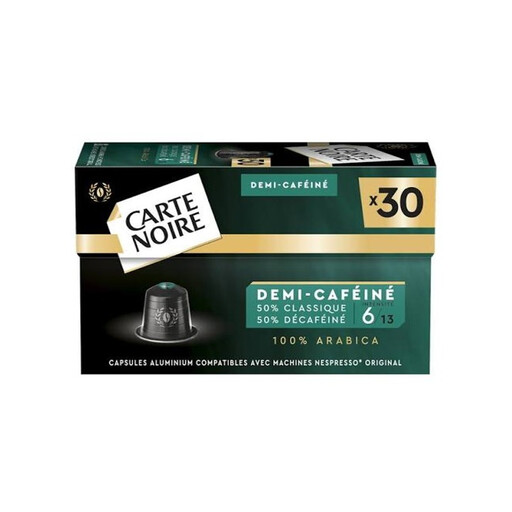 Image unavailable
Worth considering for an afternoon coffee if your machine accepts the Nespresso system specified for this product and you’re looking for a decaffeinated option.
Box of 30 capsules; check compatibility with your exact machine model.
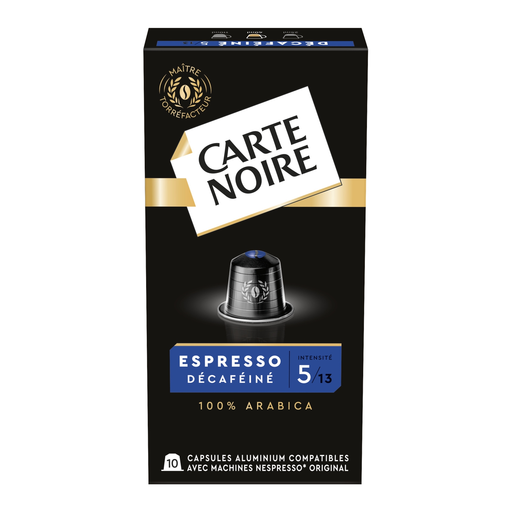 Image unavailable
A decaffeinated capsule option to consider if the system listed on the pack matches the machine you use.
Box of 10 aluminium capsules; confirm compatibility before buying.
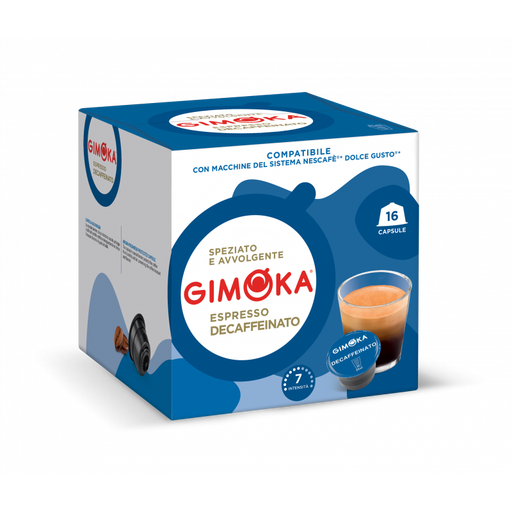 Image unavailable
Worth considering if you already use a machine that accepts Dolce Gusto capsules and would like decaffeinated coffee for an afternoon break.
16 capsules, 112 g; check compatibility with your exact machine model and the recycling instructions on the packaging.
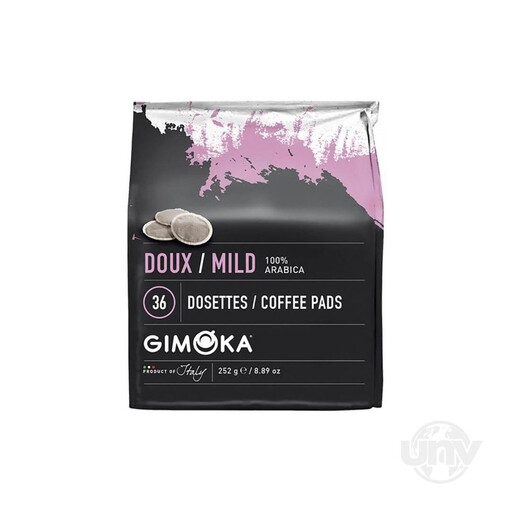 Image unavailable
For a machine that accepts Senseo-compatible pods, this product is labelled ‘Mild/Sweet’ for flavour; that alone doesn’t tell you its caffeine content.
36 pods, 252 g; check the pack for the features you want for an afternoon coffee and its disposal instructions.
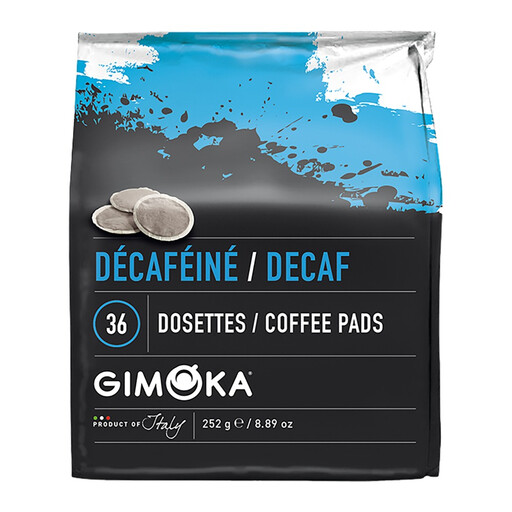 Image unavailable
Worth considering if your machine accepts Senseo-compatible pods and the decaffeinated label matches what you’re looking for in an afternoon coffee.
36 pods, 252 g; confirm compatibility with your machine and check the recycling information on the packaging.
No. Choose a product whose packaging says it’s compatible with the machine in question. Carrefour lists some pods in its Senseo-compatible range, while Carte Noire describes its soft pod range as ESE. So check the specific product and the appliance instructions.
No. ‘Mild’ describes the flavour, while ‘decaffeinated’ identifies a separate product type. If caffeine is a factor in your choice, look for that label on a compatible product; Anses notes, in particular, that caffeine can disrupt sleep.
According to ADEME, aluminium or plastic capsules go in the recycling bin, bag or container for paper and packaging. For other materials, check the product’s instructions and the collection or composting options available locally.
Follow the instructions for the model you use. Philips recommends descaling its Senseo Select CSA240 every three months; don’t automatically apply this schedule to another machine.