For a shared supply, a classic or mild coffee is a good starting point when you’re not sure what your colleagues like. A stronger option offers an alternative, particularly for a break with a snack. If anyone wants to limit their caffeine intake, include a pod explicitly labelled decaffeinated: flavour intensity doesn’t tell you how much caffeine it contains. Before choosing pack sizes, check that the pods are compatible with the office machine and tailor quantities to your team’s consumption.
Who are these pods for?
Teams with varied tastes
If you’re putting together a shared supply without knowing everyone’s preferences, a classic or mild coffee can be a good place to start. Senseo describes its Classique as “balanced and smooth”; adding a stronger option gives colleagues another choice.
Fans of stronger coffee
For a break with a snack, some people prefer a strong or espresso-style coffee. Compare the flavour descriptions of the specific products, without treating their intensity rating as a measure of caffeine content.
People looking to limit their caffeine intake
If someone takes a break late in the day or a colleague asks for an alternative, choose a product explicitly labelled “decaffeinated”. A pod described simply as mild may not meet this need.
What should you look for?
For a shared supply, first choose the coffee you’ll offer every day, then consider adding strong and decaffeinated alternatives. Next, check that each pod is compatible with the machine and that your team can use the quantity in the pack.
| What to consider |
What to check |
Who is it for? |
| A coffee everyone can enjoy |
Look for a classic or mild profile and explicit compatibility with your machine. Senseo describes its Classique as a “balanced and smooth” Arabica-Robusta blend. |
When I don’t know what the team likes, I prefer to start with a coffee that has a moderate flavour rather than offering only a strong option; around 40% of consumers would prioritise this shared choice. |
| Strong flavour |
Compare the flavour description and intensity of the specific product, without equating intensity with caffeine content. |
With a snack, I might look for a coffee with a more pronounced flavour without wanting to make it the only option for the team; around 20% of consumers would prioritise this preference. |
| Caffeine |
Check that the product is labelled “decaffeinated”: “mild” and “low intensity” are not substitutes. |
If I want to limit my caffeine intake during a late break, I need an option that’s different from the usual coffee; around 20% of consumers would put this need first. |
| Managing stock |
Check the number of pods and the net weight, then choose a pack size to suit consumption. ADEME recommends larger packs when they’re suitable for the quantities being used. |
To manage the team’s breaks, I want to be able to restock without building up a supply of packs that barely get used; this would be a priority for around 20% of consumers. |
Mistakes to avoid
-
Confusing intensity with caffeine content
An intensity rating can help you identify the advertised flavour profile, but it doesn’t tell you how much caffeine is in a pod. So a mild coffee isn’t necessarily a decaffeinated alternative.
If this matters to your team, look for the word “decaffeinated” on the specific product rather than relying on its advertised flavour.
-
Buying only strong coffee for the whole team
Senseo’s range includes mild, classic and strong profiles. Just because some people prefer intense coffee doesn’t mean everyone will.
Start by deciding which product will be used most often, then add a strong option if the team wants one.
-
Choosing a pack size without considering consumption
A larger pack makes restocking easier, but it can leave less room for variety if you buy several profiles. ADEME recommends choosing larger packs to suit actual consumption.
Estimate how many breaks the coffee will need to cover before deciding on quantities. If you’re not sure what people like, start with a few profiles in suitable pack sizes.
-
Assuming the same recycling instructions apply to every product
Soft pods, their boxes and other types of capsules may not all be sorted in the same way. The material and local recycling options both matter.
Read the packaging instructions and check what collection or composting options are available at your workplace.
Brands to consider
Senseo
The Senseo soft pod range includes Classique, Doux, Corsé and Décaféiné varieties.
- Senseo’s descriptions distinguish between flavour profiles, which can help you put together a selection.
- Brand descriptions can’t predict what each colleague will like.
Carte Noire
Products listed in catalogues include Senseo-compatible pods in classic, espresso and decaffeinated varieties.
- The descriptions of the profile and intensity help distinguish between these products.
- Check the compatibility and intensity of the pack you choose rather than assuming them from the brand name alone.
Carrefour Sensation / Carrefour Bio
The Carrefour catalogue features Senseo-compatible pods in several varieties, including Doux, Intense and Décaféiné.
- UFC-Que Choisir describes the Carrefour Bio 100% Arabica Classique product as organic and carrying the Fairtrade Max Havelaar label.
- These details apply to this specific product and don’t represent a judgement on the flavour of the others.
Auchan
The Auchan range mentioned includes classic, strong and decaffeinated Senseo-compatible pods.
- The advertised profiles can help you choose a go-to option as well as one that meets a different need.
- Features such as intensity and ingredients vary by product, so check the pack you choose.
Plantation (E.Leclerc)
The Plantation range featured by E.Leclerc includes classic, mild, strong and decaffeinated soft pods.
- The products listed include packs of 36 and 60 pods, so you can tailor your stock to the profiles you choose.
- Check the number of pods and the profile on each product before putting together your selection.
Coffee pods available on Joybuy
These pods offer mild, classic or strong profiles for a Senseo machine. If you want a decaffeinated option in your office supply, check that the pack you choose is labelled as such.
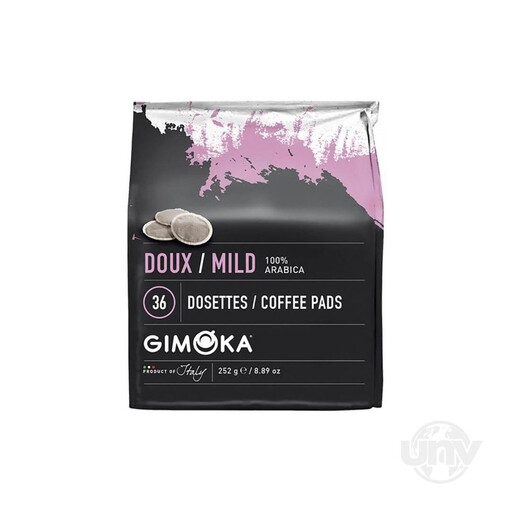 Image unavailable
GIMOKA Mild/Sweet pods compatible with Senseo, 36 pods
A mild option to consider for colleagues who don’t want strong coffee. The pack contains 36 pods and weighs 252 g; if you’re looking for a decaffeinated option, check the packaging for this label.
View on Joybuy
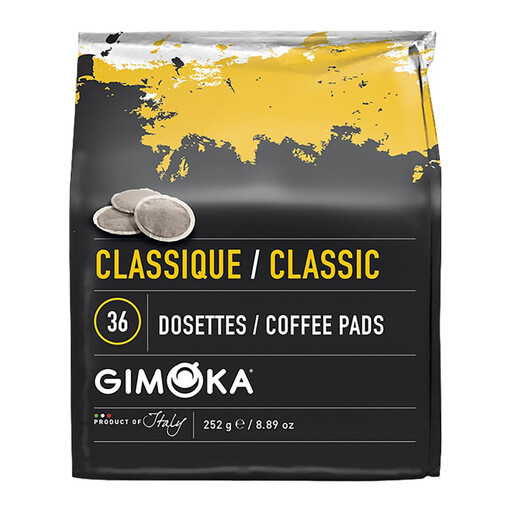 Image unavailable
GIMOKA Classic/Classic pods compatible with Senseo, 36 pods
A classic profile to consider for a shared supply. The pack contains 36 pods and weighs 252 g; choose another product if your team would also like a strong or decaffeinated coffee.
View on Joybuy
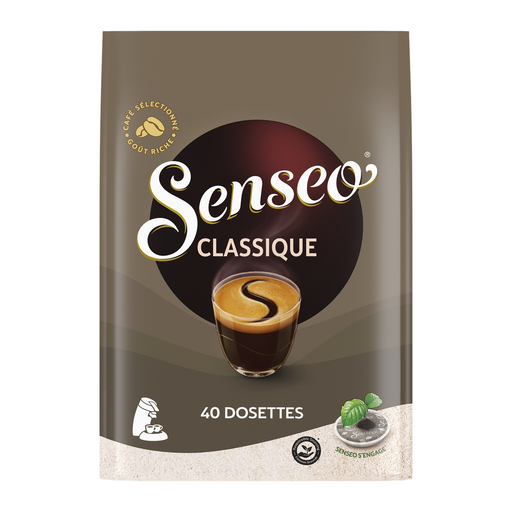 Image unavailable
Senseo Classic Medium Roast, 40 pods
A classic medium-roast profile for sharing at break time. The pack contains 40 pods and weighs 277 g; choose this pack size to suit how often your office drinks coffee.
View on Joybuy
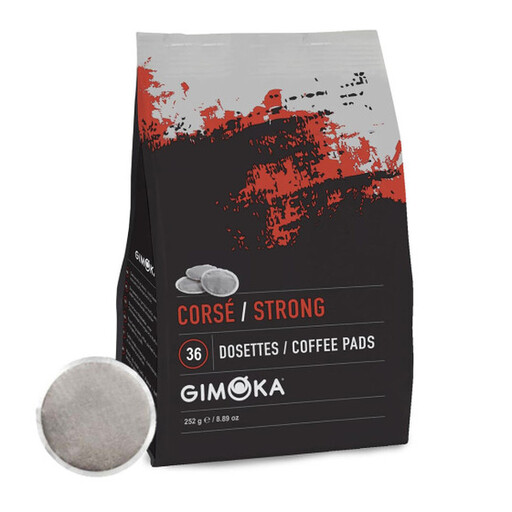 Image unavailable
GIMOKA Strong/Coarse pods compatible with Senseo, 36 pods
An option described as strong for colleagues who prefer a more pronounced flavour. The pack contains 36 pods and weighs 252 g; this profile isn’t a substitute for a mild or decaffeinated option.
View on Joybuy
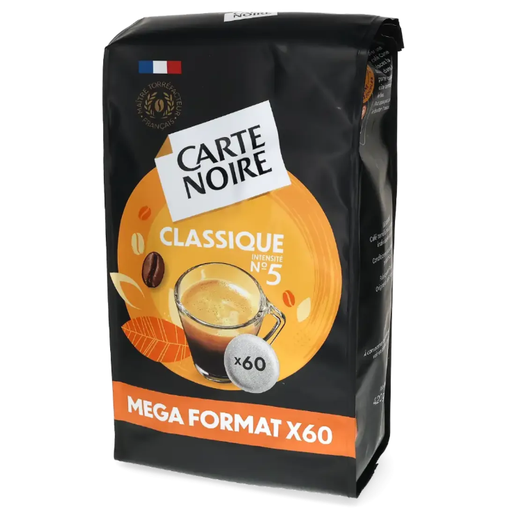 Image unavailable
CARTE NOIRE Senseo Classique No. 5, 60 pods
A classic profile for a shared supply that’s used regularly. The pack contains 60 pods; if you’re comparing the amount of coffee in different pack sizes, check the net weight too.
View on Joybuy
Frequently asked questions
Does a pod’s intensity indicate how much caffeine it contains?
No. The intensity shown describes the advertised flavour profile, not the amount of caffeine. If you want to limit your caffeine intake during breaks, look for a product explicitly labelled decaffeinated rather than one with a low intensity rating.
Which blend should I choose if I don’t know what my colleagues like?
A classic or mild profile is a good starting point for a shared supply. Senseo describes its Classique as “balanced and smooth”; if some colleagues prefer a more pronounced flavour, add a strong option rather than making it the only choice.
What should I provide for colleagues who want to limit their caffeine intake?
Include a pod explicitly labelled “decaffeinated”. The mildness or flavour intensity of another coffee doesn’t mean it meets the same need; other caffeinated drinks consumed throughout the day also count.
How should used coffee pods be sorted at the office?
Follow the instructions for the material used in the pod and its packaging, as well as the collection options available at your workplace. ADEME’s guidance distinguishes between types of capsules; for a specific soft pod, check the pack instructions and local guidance.


