Households sharing a daily coffee
You’re looking for one option for everyone’s everyday cups, in a pack size suited to regular use.


If everyone in your household drinks the same coffee every day, a classic or balanced blend is a good place to start. Once you’ve settled on one you like, you can buy it in a larger pack. If some people prefer a milder, stronger, espresso or decaffeinated coffee, consider adding a second option to suit their tastes. Before stocking up, check that each pack is compatible with your machine: “soft pod” doesn’t refer to just one system.
You’re looking for one option for everyone’s everyday cups, in a pack size suited to regular use.
You want to keep a regular coffee on hand while also catering for individual preferences with a milder, stronger, espresso or decaffeinated option.
You’re comparing pack sizes from well-known brands and supermarket own brands, while remembering to check that each pod works with your machine.
For a family shop, start with the coffee several people will drink regularly, then consider any additional options. Check the taste and compatibility before buying multiple packs.
| What to consider | What to check | Who it matters to |
|---|---|---|
| Everyday blend | Look for a classic or balanced profile; try it before stocking up. | When several people drink the same coffee, I’d rather not end up with a strongly flavoured one left in the cupboard. Around 36% of consumers put this shared choice first. |
| Compatibility | Compare the compatibility information on the specific product with your machine’s instructions, especially if the listing says ESE or “Senseo compatible”. | If I’m planning to buy several packs, I want to be able to use every pod with my machine. Compatibility is the top priority for around 29% of consumers. |
| More intense coffee | Look for a strong or espresso profile, and choose a separate option if tastes differ. | Some people in the household prefer a stronger cup, but that doesn’t mean everyone has to drink it. This is the top priority for around 21% of consumers. |
| Mild or decaffeinated option | Choose according to what people actually prefer: “mild” describes the taste, while “decaffeinated” refers to the caffeine content. | I need a different option for people who prefer a milder taste or want to avoid caffeine. Around 14% of consumers put this first. |
“Strong” and “espresso” describe the coffee, not the format your machine accepts. Carte Noire describes its soft coffee pod range as ESE, while some retailers list certain products as “Senseo compatible”.
Check the information on the specific product and consult your machine’s instructions before buying several packs.
A strong or flavoured profile may suit one person’s preference without being right for the coffee everyone in the household shares.
Start by asking everyone to try the everyday option; keep a second pack for more specific preferences.
The material affects how waste should be handled. ADEME distinguishes, in particular, between aluminium or plastic capsules and paper capsules.
Check the material shown on the packaging, then follow the recycling or collection guidance in your local area.
Senseo France offers Classic, Strong and Mild coffee pods, along with other blends. Depending on the product, its Classic blend is available in packs of 40, 54 or 72 pods.
Carte Noire offers Classic and Espresso profiles in soft coffee pods, among others; the brand sells its Espresso N°8 in a pack of 60 pods.
The Carrefour range includes Carrefour Sensation pods compatible with Senseo machines, with Classic, Intense and Mild profiles, among others, and packs of 60 pods.
Auchan stocks pods compatible with Senseo machines, including Classic and Strong versions in packs of 60, as well as a decaffeinated option.
E.Leclerc offers Plantation Classic and Strong soft coffee pods in packs of 60, among others, as well as Mild and Decaffeinated options in its range.
These options include a classic coffee to share, plus espresso, mild and strong profiles to suit your household’s preferences. Packs of 36 or 40 pods give you the chance to try a blend before buying more.
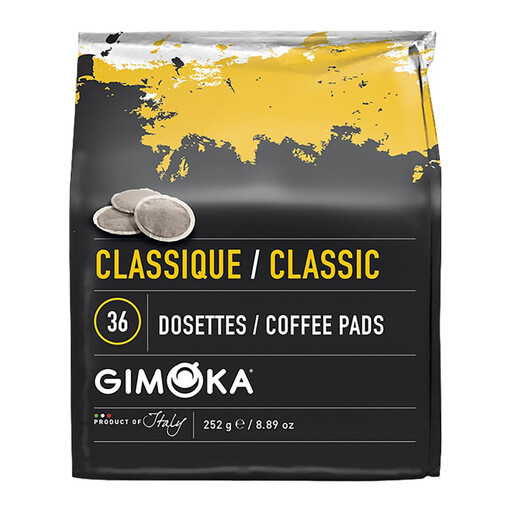 Image unavailable
A classic profile to consider if several people share the same everyday coffee; try it before making it your main choice to stock up on.
Pack of 36 pods, 252 g. Check compatibility with your machine model.
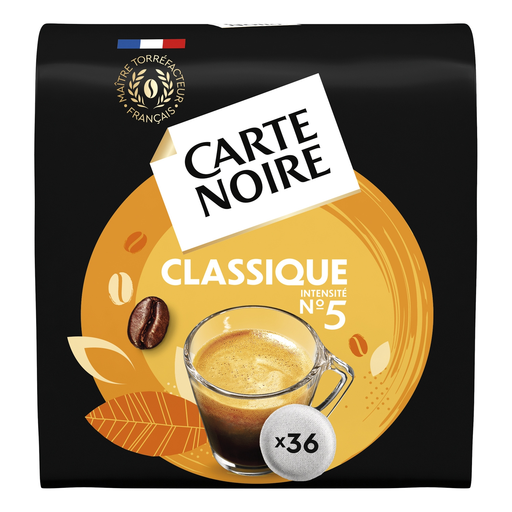 Image unavailable
An espresso option to consider alongside your everyday coffee if some people in the household enjoy this profile.
Pack of 36 pods. Check the compatibility information for this product against your machine.
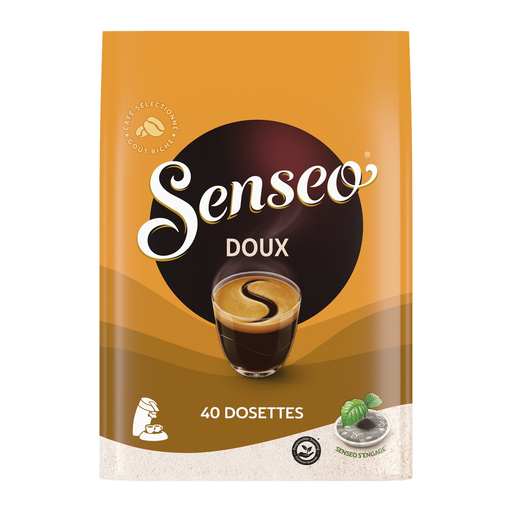 Image unavailable
This mild profile could be a second option when not everyone in the household wants the same taste.
Pack of 40 pods, 277 g. “Mild” doesn’t mean “decaffeinated”.
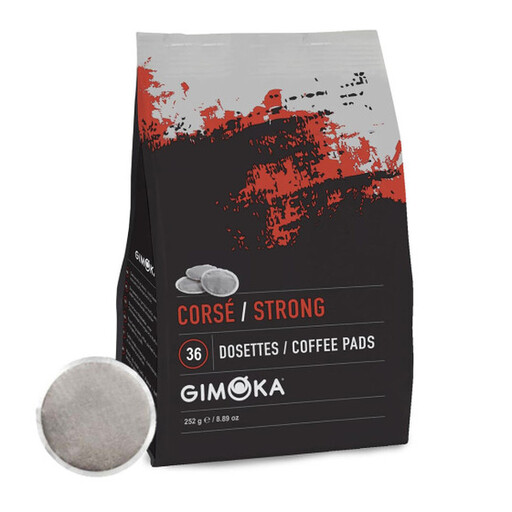 Image unavailable
Consider this as a second option if some people in the household prefer a stronger coffee, rather than making it the shared choice for everyone.
Pack of 36 pods, 252 g. Check compatibility with your machine model.
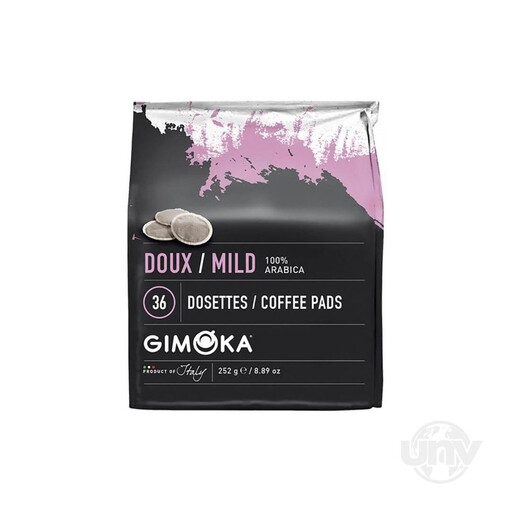 Image unavailable
A product described as mild, worth considering if some people prefer this taste alongside the coffee everyone shares.
Pack of 36 pods, 252 g. If you’re specifically looking for decaffeinated coffee, check that this is stated on the product before buying.
A classic or balanced blend is a good place to start if several people will be sharing the same coffee. Senseo France describes its Classic as a balanced, rounded Arabica-Robusta blend; add another variety only if your household’s preferences call for it.
It’s best to check first that everyone likes the taste and that the pod format works with your machine. A larger pack makes sense for a coffee you drink regularly, but may go unused if only some of the family enjoy its profile.
Don’t rely on the term “soft coffee pod” alone: compare the compatibility information on the specific product with your machine’s instructions. Carte Noire describes its soft coffee pod range as ESE, while some retailers list certain Carte Noire products as compatible with Senseo machines.
First check what they’re made of, then follow your local guidance. ADEME says aluminium or plastic capsules should go in packaging recycling; for paper capsules, it recommends home composting or food waste collection schemes where available.
Not when comparing the number of drinks you can make: Senseo France says its Cappuccino product uses a double pod. Check how many drinks each pack makes before adding it to your everyday coffee stock.