What should you check before buying?
For everyday pods, check the recipe on the pack before comparing blends by flavour or format. The priorities below apply to shoppers whose main consideration is ingredients, caffeine, or flavour and compatibility respectively.
| Criteria |
What to check |
Who it’s for |
| Recipe ingredients |
Read the ingredients on the specific pack. A statement such as “100% ground coffee” distinguishes that product from blended recipes. |
If I want coffee with no other listed ingredients, I can’t rely on the range name alone. Around 50% of consumers would make this their main check. |
| Caffeine |
Look for the word “decaffeinated” if this is important to you. Don’t infer the caffeine content from the flavour intensity. |
When caffeine affects my choice, I want to clearly distinguish a decaffeinated product from a coffee chosen for its flavour. This would be the priority for around 30% of consumers. |
| Blend and compatibility |
Compare the blend listed and confirm that the pods are suitable for your machine’s system. |
I’m looking for a coffee profile I enjoy, but the pods also need to work with my machine. Around 20% of consumers would put this first. |
Coffee pods available on Joybuy
These options let you compare mild, classic and strong flavour profiles, as well as a decaffeinated option. Before buying, check that the ingredients match the recipe you’re looking for and that the pods are compatible with your machine.
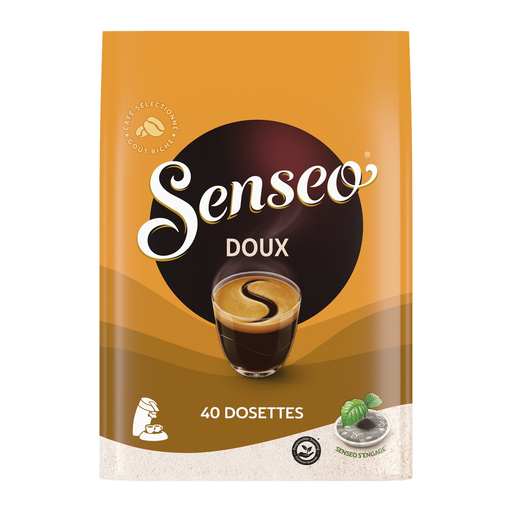 Image unavailable
SENSEO Mild, 40 pods (277 g)
Worth considering if you’re looking for a Mild variety for your everyday coffee. The pack contains 40 pods. Check the ingredients and machine compatibility on the packaging.
View on Joybuy
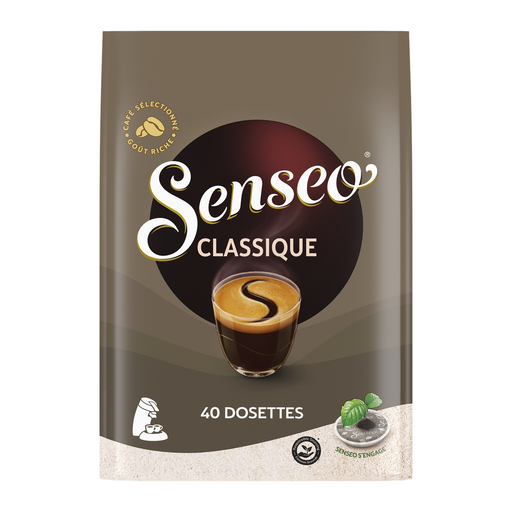 Image unavailable
Senseo Classic Medium Roast, 40 pods (277 g)
Compare this option if you prefer the Classic medium-roast variety. The pack contains 40 pods. Check the ingredients list and make sure they’re compatible with your machine.
View on Joybuy
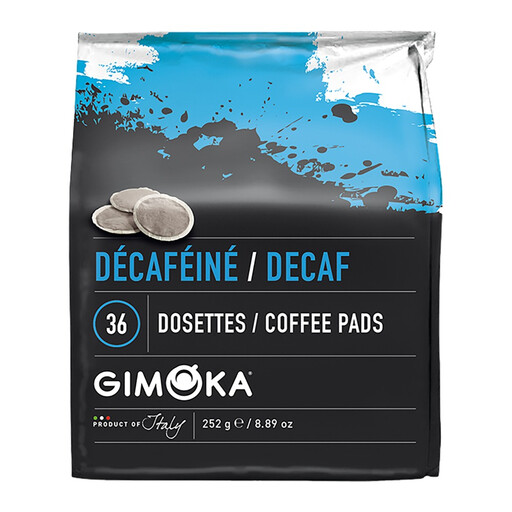 Image unavailable
GIMOKA Decaf, compatible with Senseo, 36 pods (252 g)
Worth considering if you’re looking for pods labelled decaffeinated. The pack contains 36 pods compatible with Senseo. This label alone doesn’t specify how much caffeine remains.
View on Joybuy
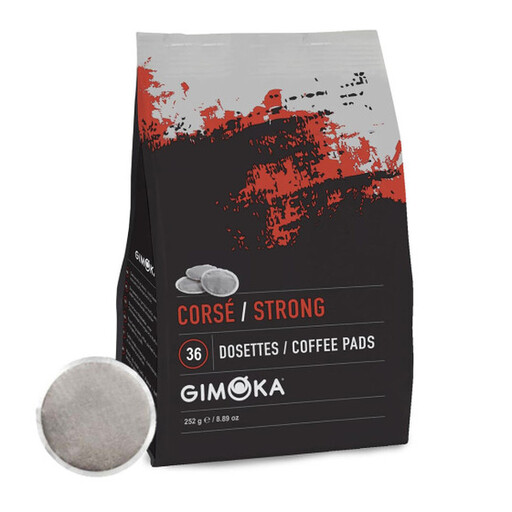 Image unavailable
GIMOKA Strong/Coarse, compatible with Senseo, 36 pods (252 g)
Compare this option if you’re looking for the Strong/Coarse variety rather than a mild flavour profile. The pack contains 36 pods compatible with Senseo. The variety name doesn’t tell you how much caffeine it contains.
View on Joybuy
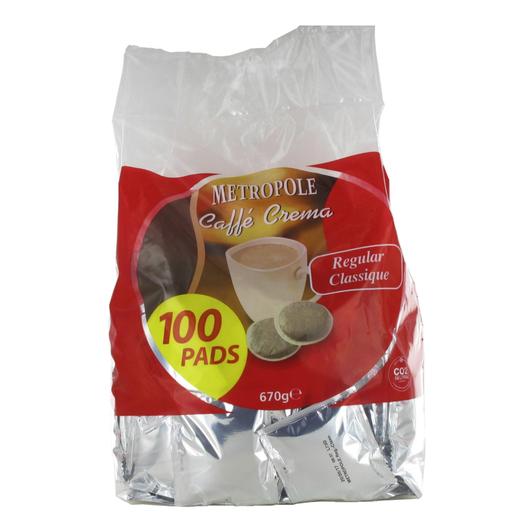 Image unavailable
METROPOLE Classic, compatible with Senseo, 100 pods
Worth considering if you’re looking for a pack of 100 pods with a Classic flavour profile. Check the ingredients on the pack and make sure they’re compatible with your machine before choosing this format.
View on Joybuy
Frequently asked questions
Does a coffee pod always contain coffee only?
No. The words “coffee pod” aren’t enough to tell you what it contains. Carrefour France lists coffee as the only ingredient for some products, while Senseo France also offers Cappuccino, Café au lait and chocolate-flavoured recipes. Check the ingredients on the pack you’ve chosen.
Should I choose Arabica-Robusta or 100% Arabica when shopping with diabetes in mind?
The type of blend doesn’t replace checking the recipe and can’t, on its own, tell you whether a pod is right for your individual needs. Senseo France describes Classique as an Arabica-Robusta blend, while Carrefour France lists Carte Noire Classique Intensité 5 and Carrefour Bio Équilibre as 100% Arabica. Once you’ve checked the ingredients, choose according to your taste.
When might you consider decaffeinated pods?
A pod explicitly labelled decaffeinated is an option if you want to adjust your caffeine intake, but that label alone doesn’t tell you the precise amount of caffeine. Anses says that the effects of caffeine vary from person to person. If you have a question related to your health or treatment, seek advice tailored to your circumstances.
What should you look for on the label of a pre-packed pod in France?
Start by checking the product name and ingredients list to see what drink you’re buying. The DGCCRF also sets out the rules for nutrition information on pre-packed foods, with exemptions depending on the product. Check the specific pack rather than assuming that one recipe carries the same information as another.


