People hosting guests with different tastes
A classic or mild profile can be a good starting point when no one has said what they prefer. First, check that the product you choose is suitable for the machine you’ll be using.


To serve a classic coffee at afternoon tea, first choose pods that are explicitly stated to be compatible with your machine. If you’re not sure what your guests prefer, a classic or mild profile is a good starting point. Then choose a pack size to suit how often you drink coffee, and consider a decaffeinated option for anyone who wants to limit their caffeine intake.
A classic or mild profile can be a good starting point when no one has said what they prefer. First, check that the product you choose is suitable for the machine you’ll be using.
The number of pods matters just as much as how often you have afternoon tea. A larger pack makes most sense if you use it regularly and follow the storage instructions.
If some guests want to limit their caffeine intake, a product labelled “decaffeinated” gives them an alternative to classic or mild coffee.
When choosing pods for afternoon tea, check your machine’s system before comparing coffee profiles, then pick a pack size that suits how often you’ll use them.
| Criteria | What to check | Who it matters to |
|---|---|---|
| Compatibility | Compare the system stated on the pack with your machine’s instructions. ESE pods, Senseo-compatible pods and capsules are not interchangeable. | If my machine doesn’t accept the pods, I won’t be able to make the coffee I had planned for my guests. Around 40% of consumers prioritise compatibility. |
| Flavour profile | Look for descriptions such as classic, mild, strong or espresso to suit the preferences of your guests. These terms describe the profiles offered by each brand. | When my guests have different tastes, I prefer to start with a classic or mild coffee rather than a very strong cup. Around 30% of consumers prioritise flavour. |
| Pack size and storage | Check the number of pods, how often you drink coffee and the storage instructions for the pack once opened. | If I only make coffee occasionally, I don’t want to leave a large pack open for too long. Around 20% of consumers focus first on pack size. |
| Caffeine | If needed, look for a product explicitly labelled decaffeinated. A mild flavour description alone doesn’t tell you how much caffeine it contains. | For a late afternoon tea, I want to be able to offer coffee to guests who prefer to limit their caffeine intake. Around 10% of consumers prioritise this option. |
Carte Noire, for example, offers an ESE format, while some supermarket own-brand products are labelled as compatible with Senseo machines. So the word “pod” alone doesn’t confirm that it will work with your machine.
Before choosing a coffee profile, compare the information on the pack with your machine’s instructions.
An incompatible format leaves you with a pack you can’t use in that machine.
How long a pack is recommended for use after opening may matter more than the number of pods alone. For a Senseo product featured by Auchan France, the brand recommends using it within 2 to 3 weeks of opening, preferably.
Choose a pack size that matches how often you make coffee, and follow the storage instructions for the product you select.
“Mild” and “strong” describe the flavour profile; they don’t replace a “decaffeinated” label. Anses says that caffeine can disrupt sleep, although its effects vary from person to person.
If your guests want to limit their caffeine intake, look for a product explicitly labelled decaffeinated rather than relying on its flavour intensity.
The Senseo France range includes Classique, Doux, Corsé and Décaféiné pods.
Carte Noire offers profiles including Classique n°5, Corsé n°7 and Espresso n°8, as well as decaffeinated products.
Carrefour France offers Carrefour Sensation Classique pods in packs of 48, explicitly stated to be compatible with Senseo machines.
E.Leclerc offers a Plantation product with 60 classic soft pods, weighing 416 g.
Auchan France offers a Classico product with 36 Senseo-compatible pods. It is described as organic, 100% Arabica and Fairtrade/Max Havelaar certified.
These products include classic and mild profiles in a range of pack sizes, for making coffee at afternoon tea with a Senseo machine. Choose a profile to suit your guests’ preferences and a pack size to match how often you drink coffee.
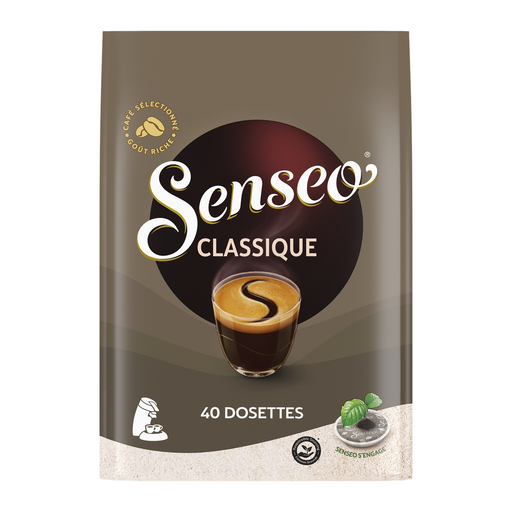 Image unavailable
A classic profile to consider if your guests haven’t asked for a stronger coffee.
Pack of 40 pods for Senseo machines.
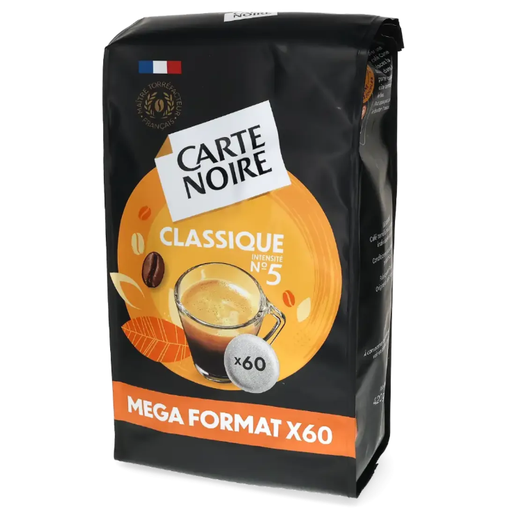 Image unavailable
This classic profile suits anyone who prefers a medium-strength coffee. Choose the 60-pod pack to match how often you drink coffee.
This product is stated to be compatible with Senseo machines.
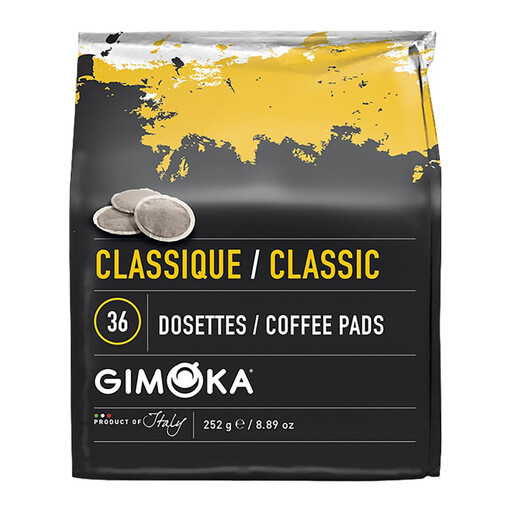 Image unavailable
A pack of 36 pods is worth considering if you make coffee less often than a household that keeps a large supply.
The product name describes it as a classic profile; check the storage instructions on the pack.
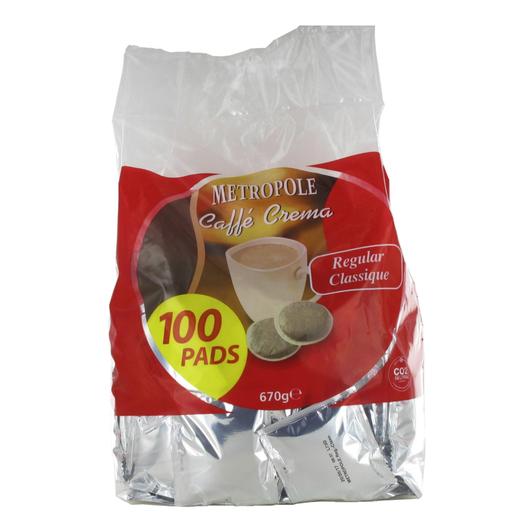 Image unavailable
This 100-pod pack is worth considering if you regularly make classic coffee at afternoon tea.
The pods are presented as suitable for Senseo machines; check that this pack size suits how often you use them.
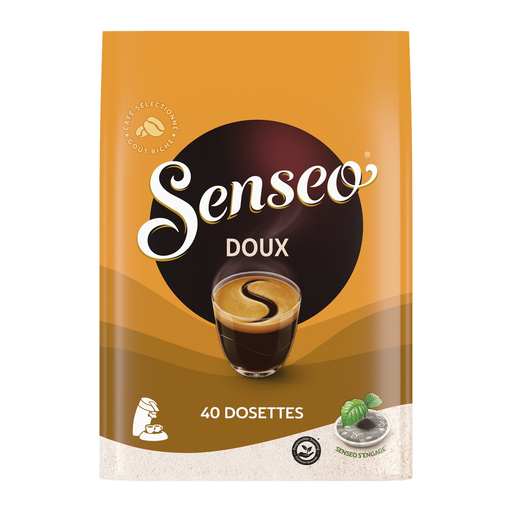 Image unavailable
This mild profile offers another option for guests who prefer a less pronounced flavour than a strong coffee.
Pack of 40 pods for Senseo machines. “Mild” does not mean “decaffeinated”.
No. “Classic” describes the coffee profile, not the machine system. Check the pack for precise compatibility with your machine; ESE pods, Senseo-compatible pods and capsules are not automatically interchangeable.
A classic or mild profile is a good starting point if no one has expressed a strong preference. A strong or espresso product is better suited to someone who has specifically asked for a more intense cup; flavour descriptions vary by brand.
Follow the instructions on the pack you’ve bought. For a Senseo product featured by Auchan France, the brand recommends using the pods within 2 to 3 weeks of opening, preferably, and storing them somewhere dry and away from heat.
A large pack is best suited to regular use. Compare the number of pods with how often you use them and check the instructions for storage after opening, rather than choosing a pack size without considering your habits.
No. Mild describes the flavour, while “decaffeinated” refers to a different product characteristic. If your guests want to limit their caffeine intake, look for an explicit decaffeinated label. Anses says the effects of caffeine on sleep vary from person to person.