A quick cup in a small space
You mainly make coffee between tasks and want to keep handling to a minimum. Remember to measure the space needed to fill the water tank and remove the drip tray, not just the machine’s footprint.


For a quick cup with minimal effort, consider a capsule or pod machine. If you use your machine regularly and want to keep an eye on the cost of coffee, compare bean-to-cup machines too. A portafilter machine is a good choice if you want to be hands-on with the preparation, while a filter coffee maker is better suited to long coffees or brewing a full jug. Whichever you choose, check the space available, the coffee formats it accepts and the maintenance involved.
You mainly make coffee between tasks and want to keep handling to a minimum. Remember to measure the space needed to fill the water tank and remove the drip tray, not just the machine’s footprint.
If you make several coffees throughout the week, the choice between pods, ground coffee and beans deserves as much consideration as ease of cleaning.
You want to serve large cups, sometimes to several people. The jug’s capacity and whether the machine can brew a small amount become key factors.
Start with the coffee you make most often, then compare machines based on your main priority: convenience, consumables, settings or capacity.
| Factor | What to check | Who is it for? |
|---|---|---|
| Ease of use and size | Measure the space, making sure there’s room to access the water tank. For a portion-based machine, check which capsule or pod format it accepts. | Between tasks, I want to make a cup without having to do lots of things. Around 22% of consumers prioritise this simplicity for a single-cup coffee break. |
| Cost of consumables | Compare coffee formats for the same pattern of use, and remember to factor in filters and cleaning products. UFC-Que Choisir reports that capsules and pods cost more than beans or ground coffee. | If I make coffee regularly, the cost of each cup matters when I choose a machine. This is the priority for around 28% of consumers. |
| Choice of coffee and settings | For the model you’re considering, check whether it offers the grind, dose or cup-size settings you want, and what type of coffee it accepts. | I like being able to change the coffee or adjust my cup, even if that means more cleaning. Around 22% of consumers prioritise this freedom of choice. |
| Manual preparation and milk | Check the portafilter and, if you make milk-based drinks, whether there’s a steam wand and what its cleaning instructions are. | Dosing and tamping the coffee myself are part of the preparation I’m looking for. Depending on the model, I might also want to froth milk. For around 11% of consumers, this level of control is the main requirement. |
| Long coffee capacity | Compare the jug’s capacity and the minimum amount of coffee the filter machine can brew. | If I want to serve several large cups or keep a jug of coffee ready, a single espresso doesn’t suit my usual needs. Around 17% of consumers prioritise this capacity for long coffees. |
A coffee you like may use a different system from the machine you’re considering. Nespresso, for example, says that its Original capsules are designed for its Original machines. This doesn’t tell you whether they’re compatible with other systems.
Find a few coffees you’d buy regularly, then check the exact compatibility information on their packaging and on the machine.
Your chosen coffee format means repeat purchases. UFC-Que Choisir describes capsules and pods as more expensive than beans or ground coffee. The value of each option also depends on how often you use it and the maintenance involved.
Compare your usual consumption over the same period, and factor in any filters or cleaning products needed for the models you’re considering.
A grinder, portafilter and milk system all involve different cleaning routines. UFC-Que Choisir includes cleaning in its assessment of coffee machines, while De’Longhi notes that descaling frequency depends in part on water hardness.
Check the instructions for your chosen model before buying, especially for removable parts, any steam wand and descaling.
The material matters. In France, ADEME says that aluminium and plastic capsules should go in the recycling collection for paper and packaging.
Check what your capsules are made from and follow the recycling guidance for your local area.
The Original range is for people who want to make coffee using a dedicated capsule system.
The SENSEO range is designed for coffee made with soft pods, including options for one or two cups, depending on the model.
The brand offers manual espresso machines and models with grinders: two distinct ways to prepare coffee.
Its filter coffee range includes different jug sizes and models designed for brewing smaller amounts.
These Joybuy machines showcase five ways to make coffee at home: soft pods, beans, manual espresso, capsules and filter coffee. First, choose the preparation method that suits your habits, then compare the features of each model.
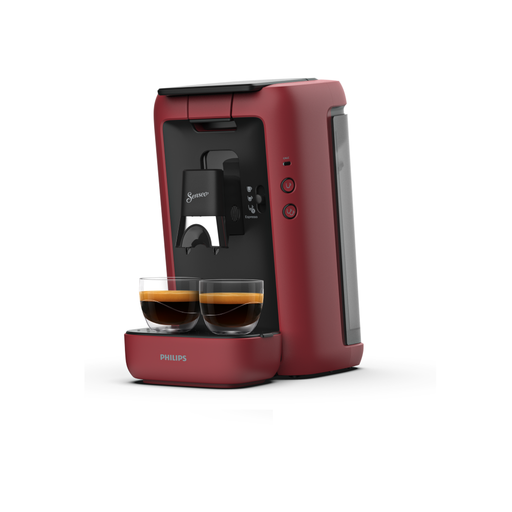 Image unavailable
Worth considering if you prefer pod-based coffee for a single cup or two-cup coffee breaks.
Check which pods this version accepts and how much space you’ll need to use the water tank and pod holder.
 Image unavailable
This machine with a grinder is for anyone who wants to use coffee beans and is also considering milk-based drinks.
Check the drinks available with this version, along with the maintenance requirements for the LatteGo system and any accessories you’ll need.
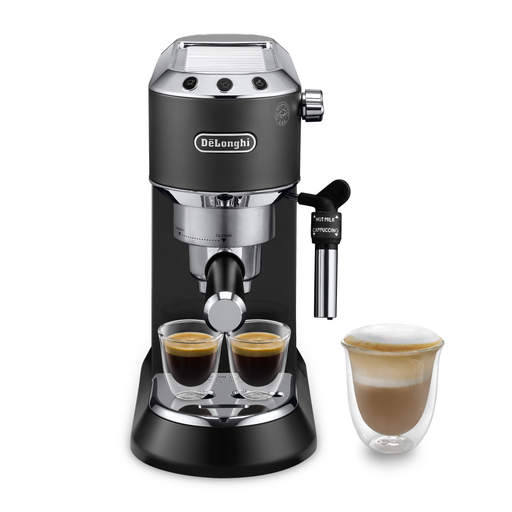 Image unavailable
Worth a look if you want to make espresso using a portafilter and don’t mind the extra steps involved in dosing and cleaning.
The product title lists 15 bars, but this figure alone doesn’t tell you what the coffee will be like. Check the water tank capacity for this version before buying.
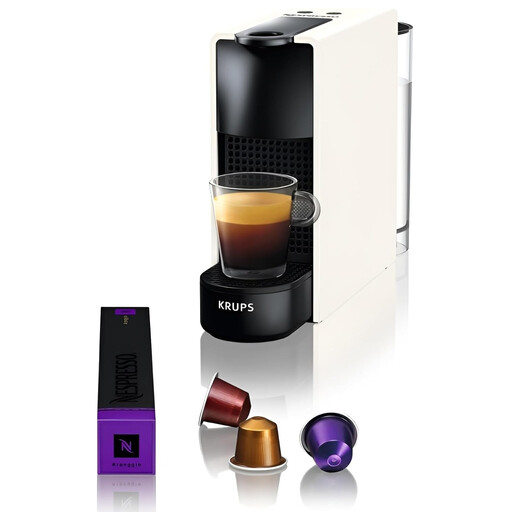 Image unavailable
This capsule machine could suit a coffee break centred on one cup at a time, if the Nespresso Original system matches the coffees you want to buy.
The product title lists a 0.6 L water tank and 1200 W power. Check the compatibility information on every pack of capsules you’re considering.
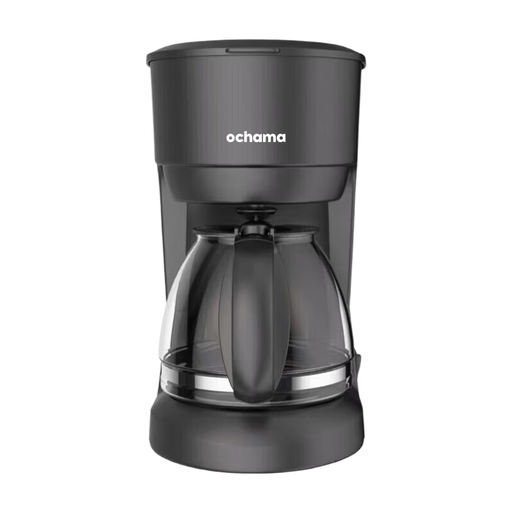 Image unavailable
Worth considering if you’d prefer filter coffee for your breaks rather than a succession of individual espressos.
The product title lists 600 W, a 750 ml water tank and a 30-minute keep-warm function. Check the jug’s capacity, minimum brew size and required filter separately.
UFC-Que Choisir describes capsules and pods as significantly more expensive than beans and ground coffee. When choosing, also compare how many cups you make and the maintenance required for the machines you’re considering.
No. Check the machine’s exact system and the compatibility information on the pack. Nespresso, for example, says that its aluminium or paper-based Original capsules are compatible with its Nespresso Original machines.
Clean the relevant parts and descale the machine as instructed in its manual. Water hardness affects how often De’Longhi recommends descaling its bean-to-cup espresso machines. A steam wand or milk system also means there are extra parts to clean.
According to ADEME, aluminium and plastic capsules can go in the bin, bag or container for recycling paper and packaging. Check what your capsules are made from and follow your local authority’s guidance.
For purchases from a professional seller in France, the legal guarantee of conformity applies to new, second-hand and refurbished goods, according to the Ministry of the Economy. Keep your proof of purchase and the product description so you can report the fault to the seller.