If you make several coffees every day, a bean-to-cup machine is worth considering if you want coffee made from beans without measuring out each cup. Just be prepared for regular maintenance, as well as the space it takes up and the noise from grinding: Que Choisir highlights these trade-offs. Capsules and coffee pods offer pre-portioned servings, while a portafilter machine is better suited to you if you want to be hands-on with the preparation and clean the accessories after use.
Which households are these machines suited to?
Households with several daily coffee drinkers
If coffees are being made one after another, check how often you need to refill the water tank and coffee container, and how many steps are involved in each brew. Easy access to the parts that need cleaning also matters in a daily routine.
Busy people with limited space
Capsule and coffee pod machines let you compare pre-portioned drinks without grinding or measuring by hand. However, check the machine’s dimensions, access to the water tank and which consumable format it accepts.
Coffee lovers happy to spend time on maintenance
A grinder lets you use whole beans, while a portafilter machine leaves more of the preparation to you. With both types, factor in rinsing and descaling, and, if you make milk-based drinks, cleaning the milk system.
How do the different systems compare?
Start by considering how many coffees you make in a row and what you’re happy to do each day. Then check where the model will go and what maintenance it needs.
| What to consider | What to check | Think about your needs |
|---|
| Making several coffees in a row |
Check the capacity of the water tank and coffee container for the exact model. See how the compartments are refilled and how easy it is to make several drinks in a row. |
When several people make coffee every day, I want to avoid having to refill the machine between cups. |
| Type of coffee |
Check whether the machine takes whole beans, ground coffee, capsules or a specific pod format. For a portafilter machine, check which filters are available for each format. |
I prefer to choose my own beans or ground coffee. If I choose pre-portioned servings, I want to know which products are compatible. |
| Preparation steps |
Compare the steps needed to make a cup, prepare the next one and dispose of the used coffee. With a portafilter machine, also consider measuring the coffee and cleaning up after brewing. |
In the morning, I want to make several coffees without repeating a long series of steps — or, on the other hand, stay hands-on with every cup. |
| Maintenance |
Check the manual for instructions on rinsing the compartments and brewing unit, descaling alerts and access to the parts. If you use milk, check how to clean the steam wand or milk system. |
I can keep up with a regular cleaning routine, but I want to know which jobs I’ll need to do by hand. |
| Space and noise |
Measure the width, depth and height, remembering to leave room to remove the compartments. For a grinder, look for a noise rating during grinding: Que Choisir notes that bean-to-cup machines are noisier and take up more space than capsule systems. |
In an open-plan kitchen, the sound of coffee being made early in the morning and the space it takes up on the worktop could affect my choice. |
What should you look out for before buying?
-
Choosing without checking the coffee format
Pre-portioned coffee depends on the format accepted by the machine. This determines which capsules or pods you can use every day.
Before choosing, check the exact format specified for the model and the products you plan to use.
-
Assuming a grinder will be quiet and compact
Que Choisir says a bean-to-cup machine takes up more space and makes more noise than a capsule system. Grinding noise could therefore be a factor if you have an open-plan kitchen or make coffee early in the morning.
Measure the space, allowing room to fill and remove the compartments. For noise levels, look for an assessment of the specific model rather than relying on a general claim from the manufacturer.
-
Underestimating the maintenance needed for the grinder or milk system
The compartments and, depending on the model, the brewing unit need regular rinsing. A steam wand or milk system means extra cleaning after making milk-based drinks.
Read the model’s cleaning and descaling instructions, along with any guidance on using a filter.
-
Confusing recyclable capsules with no packaging
Each capsule is still individually packaged, even if it can be recycled. This becomes more noticeable when you make several cups every day.
In France, ADEME advises putting aluminium or plastic capsules in the paper and packaging recycling collection. If you want to cut down on individual portions, also compare machines that use whole beans or ground coffee.
A few brands to know
De'Longhi
De'Longhi offers a range of automatic bean-to-cup machines. Controls and maintenance requirements vary by range and model.
- The brand describes its bean-to-cup machines as making coffee from beans ground inside the machine.
- For the Magnifica range, De'Longhi says you need to remove and rinse the brewing unit, and follow the descaling instructions.
Philips
Philips offers bean-to-cup machines, including some models with the LatteGo system. Check the features and maintenance instructions for the specific model you’re interested in.
- The LatteGo system may appeal to households that regularly make milk-based drinks, but check which drinks the model can prepare.
- Philips describes SilentBrew as a noise-reducing feature on its 3300 Series EP3347/90; this claim does not describe the noise levels of other Philips models.
Sage
Sage offers portafilter machines for people who want to be hands-on with their coffee preparation.
- The Bambino featured by Sage has a 54 mm portafilter and a steam wand.
- The portafilter and, when used, the steam wand involve extra preparation and cleaning after making drinks.
Machines for different needs at Joybuy
This selection includes bean-to-cup machines, a Senseo pod machine and a portafilter machine. Compare them based on how many coffees you make, your preferred coffee format and the steps you’re happy to take.
 Image unavailable
Philips 2200 Series EP2230/10 LatteGo, gloss black
This bean-to-cup machine is designed for households that want to use whole beans and make coffee without measuring out each cup. If milk-based drinks are important to you, check which recipes this version offers and remember to clean the LatteGo container.
View on Joybuy
 Image unavailable
De'Longhi Magnifica Start ECAM220.21.WW, white
This bean-to-cup model is worth considering for automated daily coffee making. If you plan to make milk-based drinks, factor in the steps involved in using and cleaning the steam wand. Also check how much space you have around the machine.
View on Joybuy
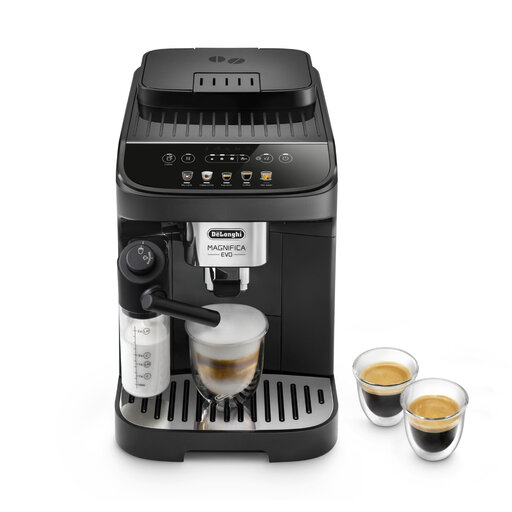 Image unavailable
De'Longhi Magnifica Evo ECAM290.61.B LatteCrema, black
This bean-to-cup machine with a LatteCrema system may suit households where several people make coffee and enjoy milk-based drinks too. Check which recipes the ECAM290.61.B version offers and what cleaning you’ll still need to do, even with the advertised cleaning cycles.
View on Joybuy
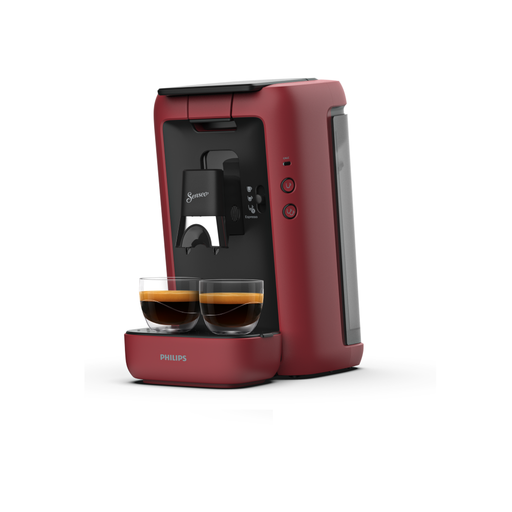 Image unavailable
Philips Senseo Maestro CSA260/91, deep red
This coffee pod machine is worth considering if you prefer pre-portioned coffee to using a grinder or portafilter machine. Check which pod formats are compatible and allow enough space to fill the water tank.
View on Joybuy
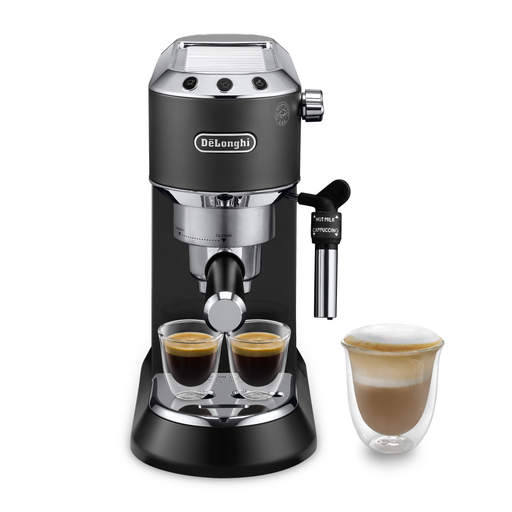 Image unavailable
De'Longhi Dedica Style EC685.BK, black
This portafilter machine is for people who are happy to prepare and clean the filter for each round of coffees. Check which filters are available for ground coffee or ESE pods, as well as the capacity of the water tank on the version being sold.
View on Joybuy
Frequently asked questions
Is a bean-to-cup machine suitable for an open-plan kitchen if you make coffee early?
Yes, if the grinding noise is acceptable in your household and you have enough space. Que Choisir says a bean-to-cup machine is noisier and takes up more space than a capsule system. To compare specific models, look for an assessment of noise and vibration while grinding.
How often should you descale a coffee machine?
First, follow your machine’s alerts and instructions. Que Choisir recommends descaling on average every two to three months, while noting that how often you need to do it depends on water hardness and, above all, how much you use the machine. A machine that makes lots of coffees may need descaling more often.
Where should you recycle aluminium or plastic capsules in France?
ADEME advises putting them in the recycling bin, bag or container for paper and packaging. If you make several coffees a day and want to reduce individual packaging, also compare machines that use whole beans or ground coffee.


