If you make coffee regularly and want to keep things simple, capsules and coffee pods are convenient, but the ongoing cost of consumables adds up. A portafilter machine could suit you if you’re happy to measure out and clean up ground coffee. A bean-to-cup machine is worth considering if you want to choose your own beans and have the space and time for regular maintenance. Que Choisir reports that the cost per cup from a bean-to-cup machine is two to three times lower than for pod espresso, although the initial investment is higher.
Who are these machines suited to?
Households making several coffees a day
Compare the cost of consumables, the water tank capacity and the cleaning steps your routine involves. For bean-to-cup machines, Que Choisir reports that the cost per cup is two to three times lower than for pod espresso, although the initial investment is higher.
Households looking for a fuss-free option
Capsules and coffee pods save you from measuring and tamping coffee for every cup. Do check which format the machine takes and how much the consumables you’ll use regularly cost.
Fans of a range of drinks, including milky coffees
If different people in your household prefer different drinks, check the recipes and settings on the specific model. A steam wand or milk system also means extra cleaning steps.
What should you compare for frequent use?
Start with the coffees your household actually makes, then compare the coffee format, preparation steps and maintenance involved with each system.
| What to consider | What to check | My needs |
|---|
| Cost per cup |
Compare the types of coffee the machine takes — capsules, coffee pods, ground coffee or beans — and how often you’ll need to buy them. Que Choisir reports that a bean-to-cup machine works out two to three times cheaper per cup than pod espresso, despite the higher initial investment. |
We make coffee often, so I want to factor in the cost of consumables as well as the machine. |
| Maintenance |
Check the manual for descaling instructions and how easy it is to access parts that need rinsing. For bean-to-cup machines, Que Choisir recommends regularly rinsing the coffee grounds and drip trays, and cleaning the brewing unit less often. |
I’d prefer maintenance tasks that our household can fit into its routine, especially if we also make milky drinks. |
| Everyday use |
Check the tank capacity, whether you can make one or two cups at a time, and how many steps are involved for each coffee. Pre-portioned systems save you measuring and tamping; a portafilter machine involves more hands-on preparation. |
When we make several coffees in a row, I’d like to avoid frequent refills — or take the time to prepare each cup properly. |
| Drinks and settings |
Check the drinks available, the settings and whether the model has a milk system. If you use coffee beans, also look at the grinder settings. |
Will a simple espresso be enough, or would we also like longer coffees and milky drinks? |
| Space and consumables |
Measure the space you have in mind and check exactly which capsule or coffee pod system the machine takes. For a bean-to-cup machine, make sure you have enough room to fill and clean it, too. |
I want to be able to set up the machine and easily find coffee that works with it. |
What should you watch out for before buying?
-
Focusing only on the cost of the machine
If your household makes a lot of coffee, the ongoing cost of capsules or coffee pods is an important part of your decision. Que Choisir describes these formats as considerably more expensive than coffee beans or ground coffee.
Compare the coffee formats the machine takes and the consumables and cleaning products you usually buy, based on how often you make coffee.
-
Choosing a bean-to-cup machine without planning for cleaning
The coffee grounds and drip trays need regular rinsing, and a milk function adds its own cleaning routine. Que Choisir also mentions cleaning the brewing unit, which needs doing less often than the trays.
Before you buy, check the manual to see which parts are easy to access and what maintenance is involved, particularly if you plan to make milky drinks.
Make time for rinsing and descaling as part of your routine.
-
Assuming all consumables are interchangeable
A machine designed for a particular capsule or coffee pod system may limit the types of coffee you can use.
Check the exact format the model takes, then make sure the matching consumables suit your habits.
-
Forgetting to sort your capsules for recycling
In France, ADEME says that aluminium and plastic capsules can go in the recycling collection for paper and packaging.
Check what your capsules are made of and keep a container by the machine so you can sort them after use.
Which brands and ranges should you consider?
Nespresso
Nespresso’s Original range focuses on ristretto and espresso formats. If you’re considering a machine from the brand, check which capsule system it uses before you choose.
- According to Nespresso, the Original range focuses on these coffee styles.
- Check which capsules the model takes. For machine maintenance, Nespresso recommends descaling every three months or after around 300 capsules, and advises you to consult the manual.
Philips Senseo
Philips presents Senseo as a range of coffee pod machines designed for straightforward preparation.
- The coffee pod system saves you measuring out ground coffee for each cup.
- Check which coffee pod format the machine takes and how to descale the model you’re considering.
De’Longhi
De’Longhi’s range includes Magnifica for espresso and Dinamica, which offers a wider choice of coffee and milky drinks.
- Drinks and settings vary across the ranges, so choose the features you’ll actually use.
- Check how to clean the trays and milk system on your chosen model. De’Longhi says the frequency of descaling depends on your water hardness.
Machines available at Joybuy
This selection includes bean-to-cup machines, a Senseo coffee pod machine and a Nespresso capsule machine, to suit different routines and ways of making coffee at home.
 Image unavailable
Philips EP2230/10 Series 2200 LatteGo
This bean-to-cup model is designed for households that want to make coffee from beans. If milky drinks are important to you, check the recipes and cleaning instructions for the LatteGo system in the model’s manual.
View at Joybuy
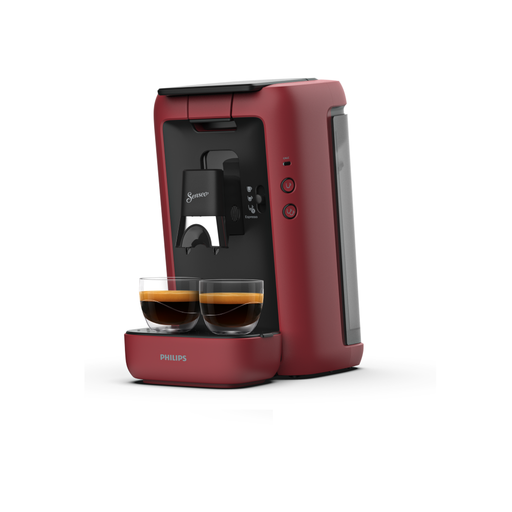 Image unavailable
Philips Senseo CSA260/91 Maestro in vivid red
This Senseo coffee pod machine could suit you if you’d rather not measure out coffee for every cup. Check which pod format it takes; the Philips model page on Joybuy includes a descaling reminder and recommends descaling the machine every three months.
View at Joybuy
 Image unavailable
White De’Longhi Magnifica Start ECAM220.21.WW
This espresso machine with an integrated grinder lets you choose coffee beans instead of individual portions. Before choosing this model, check the drinks it offers and read the manual for grinder maintenance instructions.
View at Joybuy
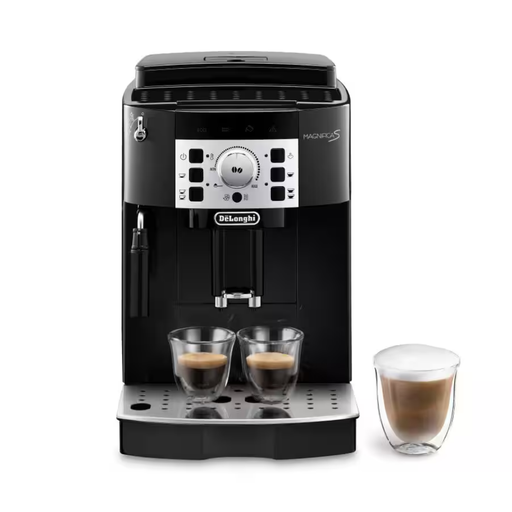 Image unavailable
Black De’Longhi Magnifica S ECAM22.140.B
This Magnifica S with grinder could suit a household that wants to use coffee beans and is happy to keep up with the maintenance involved in owning an automatic machine. Check its dimensions and cleaning requirements before making room for it in your kitchen.
View at Joybuy
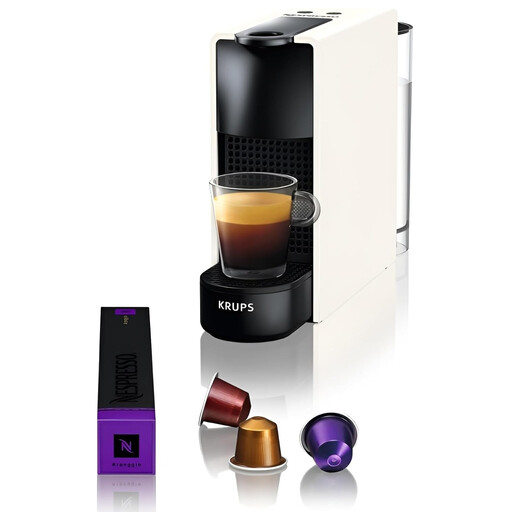 Image unavailable
White Krups Nespresso Essenza Mini, 0.6 L, 1200 W
This capsule machine is designed for households that prefer pre-portioned coffee. Its 0.6 L tank is worth bearing in mind if you make several coffees in a row. Also check exactly which capsule system it takes and the model’s descaling instructions.
View at Joybuy
Frequently asked questions
Should you choose a bean-to-cup machine if you drink coffee often?
Not necessarily. A bean-to-cup machine is worth considering if you want to choose your own beans and are happy with the initial investment and regular cleaning. Que Choisir reports that the cost per cup is two to three times lower than for pod espresso. Whether it’s right for your household also depends on how much coffee you drink and how much space you have.
How often should you descale a capsule machine?
Follow the instructions for your model. Nespresso recommends descaling its machines every three months or after around 300 capsules. This guidance does not apply to every brand.
What maintenance does a bean-to-cup espresso machine need if you use it every day?
Rinse the coffee grounds and drip trays regularly, and follow the manual for cleaning the brewing unit and any milk functions. Que Choisir recommends rinsing the trays frequently, but the brewing unit less often. De’Longhi says the frequency of descaling depends on your water hardness.
Where should you dispose of aluminium or plastic capsules in France?
ADEME says aluminium or plastic coffee capsules should go in the recycling bin, bag or container for paper and packaging. Check what your capsules are made of before sorting them for recycling.


