If you’re making several coffees to share, a filter coffee maker with a carafe may be the best fit. For a single cup with minimal fuss, consider a capsule or soft-pod machine. A portafilter gives you more control over manual preparation, while an automatic bean-to-cup machine is suited to regular coffee drinkers who are happy to take on more maintenance and make space for a larger machine, according to Que Choisir’s guides. In every case, check the drinks on offer, compatible consumables, usable capacity and cleaning requirements for the specific model.
Who is each option best for?
Households making several coffees a day
The number of cups you serve and the cleaning involved matter just as much as the type of coffee. Que Choisir describes bean-to-cup machines as an option for coffee enthusiasts and heavy drinkers. If you’re more likely to serve filter coffee, compare the usable capacity of the carafes. Melitta, for example, states that its AromaFresh Pro X makes 2 to 10 cups.
Households switching between black coffee and milk-based drinks
A manual steam wand means frothing the milk yourself and cleaning the wand, while some models have an integrated milk system. De’Longhi describes the Specialista Arte EC9155.MB as having a manual wand; Nespresso offers Original machines with an integrated milk compartment. Check how the specific model you’re interested in works and how it needs to be cleaned.
Households looking for a quick, fuss-free cup
Capsules and soft coffee pods are pre-portioned for convenient brewing. Before choosing, check which format the machine accepts and which consumables you plan to use regularly. If two people want a coffee at the same time, also check whether it has a two-cup function, as this depends on the model.
What sets the machines apart?
Start with how many coffees you need to make and what kind of drinks you want, then compare how each model works, what maintenance it needs and which consumables it uses.
| Priority | What to check | My needs |
|---|
| Serving several people |
Compare a filter coffee maker with a carafe against making coffee one cup at a time. Check the stated usable capacity, rather than just the water tank volume. |
We often have coffee together, so a carafe appeals more than making several cups one after another. Some Melitta filter coffee makers are designed for smaller quantities; the AromaFresh Pro X is stated to make 2 to 10 cups. |
| Quick preparation |
Check the capsule or pod format, the steps involved and whether the machine can make two cups. Philips states that some SENSEO machines can make one or two cups in under a minute; this doesn’t apply to the whole range. |
I usually make one cup at a time and want to keep things simple. If there are two of us, a two-cup function would be useful. |
| Manual control |
With a portafilter machine, check how you prepare ground coffee, which settings are available and whether it has a steam wand. Bear in mind the preparation steps and cleaning after use. |
I enjoy being involved in making my espresso rather than simply starting a pre-set programme, including when I’m frothing milk. |
| Beans and automation |
For an automatic bean-to-cup machine, compare the drinks and settings available, access to the grounds container and the descaling process. Que Choisir notes that these machines generally take up more space and make more noise than capsule systems or filter coffee makers. |
We make several coffees at home every day. I’d prefer to use beans without handling a portafilter for every cup, as long as I’m happy to maintain the machine. |
| Milk-based drinks |
Tell the difference between a manual steam wand, a separate milk frother and an integrated milk system. Check which parts need rinsing or dismantling: a milk function alone doesn’t tell you how much cleaning is involved. |
I often drink cappuccinos and want to know whether I’ll need to froth the milk myself or whether the recipe is automated. |
| Maintenance and space |
Measure your worktop and allow enough room to fill and remove the tanks. Check the rinsing and descaling instructions; Que Choisir assesses these tasks separately in its test procedure. |
The machine needs to be easy to access so I can fill it, empty the containers and clean it in my kitchen. |
| Consumables |
Confirm which format is compatible and what supplies you’ll need, such as filters or cleaning products. For capsules, ADEME gives different recycling guidance depending on the material and the options available near your home. |
I want to be able to buy the consumables I’ll use often and deal with the waste from making my coffee. |
What should you watch out for before buying?
-
Comparing the machines alone
For everyday use, your choice of capsules, pods, beans or ground coffee affects the consumables you’ll use for every drink. Que Choisir points out that these formats don’t all cost the same to use; what works out best for your household depends on what you actually drink.
Estimate how many coffees you make in a week and compare only the formats compatible with the models you’re considering.
Depending on the machine, also factor in filters, descaling products and any accessories needed for milk-based drinks.
-
Assuming all milk functions work in the same way
A manual steam wand requires different steps from an integrated milk tank. The parts that need cleaning also vary, so a milk-based recipe on the menu doesn’t tell you everything about day-to-day use.
If you often make these drinks, check the model’s instructions for preparation, rinsing and dishwasher-safe parts.
-
Measuring the machine without allowing room to use it
Que Choisir says bean-to-cup machines are generally bulkier and noisier than capsule systems or filter coffee makers. Even if a machine fits on your worktop, it may be difficult to fill or empty if there isn’t enough room around it.
Check the dimensions of the model you’ve chosen, as well as the space needed to open the bean hopper and remove the water tank and containers.
-
Treating all used capsules the same way
In France, ADEME gives different instructions depending on whether a capsule is made of aluminium, plastic or paper. Some composting options for paper capsules require a suitable facility to be available nearby.
Check what the capsules you’re considering are made of, then follow ADEME’s guidance and the rules in your local area.
Which brands and ranges should you look at?
These examples can help you identify features to compare, but make sure to check each one against the specific model you’re considering.
Nespresso
The Original range includes capsule machines, some of which are also designed for milk-based recipes.
- Nespresso says that some Original machines can make milk recipes using an integrated compartment. The brand states that the Lattissima One’s milk tank is dishwasher-safe.
- Check the capsule format and milk system on the model you’ve chosen: these features aren’t available on every Nespresso machine.
Philips / SENSEO
SENSEO makes machines for soft coffee pods. The Switch HD6592/65 combines pod and filter coffee brewing on this specific model.
- Philips states that some SENSEO models can make one or two cups in under a minute. The Switch HD6592/65 also has a filter coffee carafe stated to hold 7 cups.
- Don’t assume every SENSEO has a carafe or the same two-cup functions. Check the exact model and its compatible consumables.
De’Longhi
De’Longhi offers manual and automatic espresso machines, which involve different levels of hands-on preparation.
- For the Specialista Arte EC9155.MB only, De’Longhi states that it has eight grind settings and a manual steam wand.
- Settings and milk systems vary by machine, so check the specific model rather than assuming these features apply to the whole brand.
Melitta
Melitta offers a range of filter coffee makers, including classic, thermal and small-batch models.
- The brand states that the AromaFresh Pro X makes 2 to 10 cups. Its grinder can be switched off so you can use ground coffee instead.
- This capacity and grinder apply to the AromaFresh Pro X. Check the carafe, filters and features of any other model.
Coffee machines available on Joybuy
These models show a range of ways to make coffee at home: automatic bean-to-cup, portafilter, filter coffee and capsule machines or adaptors. Choose your preferred brewing method first, then check the features of the specific model.
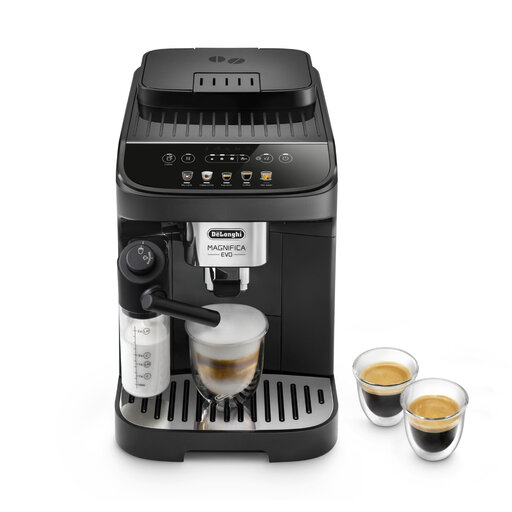 Image unavailable
De’Longhi Magnifica Evo ECAM290.61.B LatteCrema, black
An automatic bean-to-cup machine to consider if you make coffee regularly and milk-based drinks are part of your household’s routine. Before choosing this model, compare the capacity of its containers and the steps involved in cleaning the milk system.
View on Joybuy
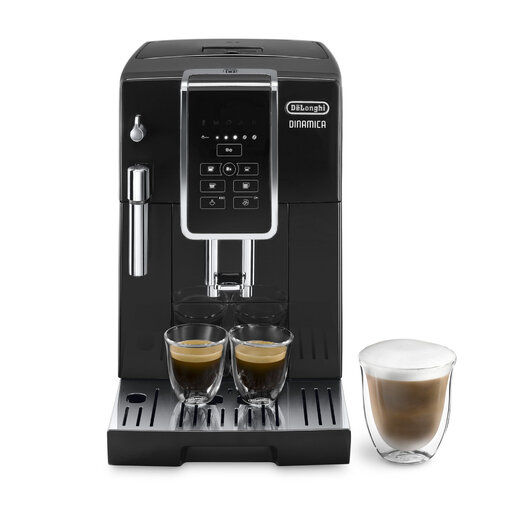 Image unavailable
De’Longhi Dinamica ECAM350.15.B, black
This automatic bean-to-cup machine is suited to regular use with beans, but frothing milk involves manual preparation and cleaning the wand. If you switch between black coffee and milk-based drinks, check that you’re happy to do this every day.
View on Joybuy
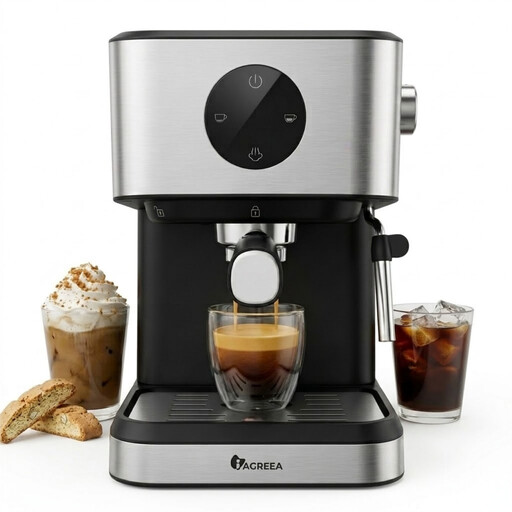 Image unavailable
IAGREEA 20 bar espresso machine, steam wand, 50 oz tank
This portafilter machine is for households happy to prepare coffee and froth milk by hand. The wand needs cleaning after use. Before installing it in France, also check the voltage, plug type and space required.
View on Joybuy
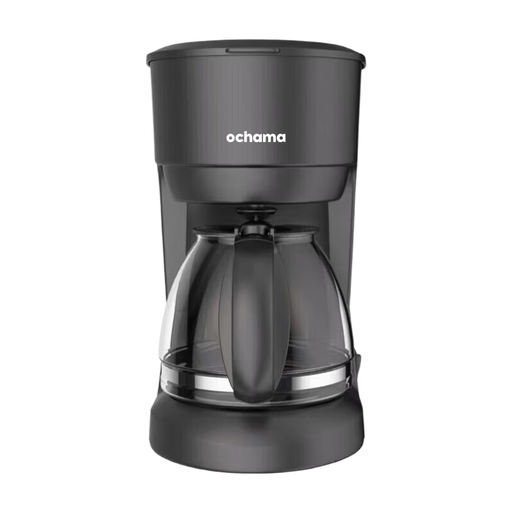 Image unavailable
ochama 600 W filter coffee maker, 750 ml
This filter coffee maker has a stated 30-minute keep-warm function. To see whether it makes enough for the number of people you have in mind, check its usable capacity in cups and the type of filter required. The 750 ml refers to the water tank.
View on Joybuy
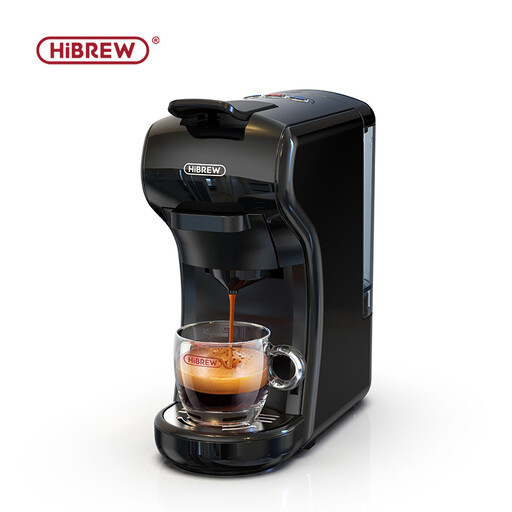 Image unavailable
HiBREW H1A 4-in-1 espresso machine, 19 bar
This machine may suit a household looking to switch between different brewing methods using adaptors. Before buying, check the exact capsule types it accepts and which adaptors are included: the compatibility information isn’t entirely consistent. The words ‘Dolce Milk’ in the product name aren’t enough to confirm that it has a milk system.
View on Joybuy
Frequently asked questions
Can a capsule machine also make cappuccinos?
Yes, some models have an integrated milk system, but this isn’t a feature of every capsule machine. Nespresso offers Original machines with a milk compartment; the brand says the Lattissima One’s milk tank is dishwasher-safe. Check the setup and cleaning instructions for the model you choose.
Why check maintenance requirements before choosing a bean-to-cup machine?
With a bean-to-cup machine, you need to be able to access the parts that require emptying and cleaning, as well as follow the model’s descaling process. Que Choisir assesses how long these tasks take and the steps involved as part of its espresso machine testing. In particular, check access to the tanks, grounds container and brewing unit, if it’s removable.
Which machine should I choose if several people want coffee at the same time?
A filter coffee maker is a good choice if you want to serve coffee from a carafe. A pod machine may suit two people, provided the model can make two cups. Philips states that its Switch HD6592/65 specifically can make one or two cups with pods and has a filter coffee carafe that holds 7 cups. Check the usable capacity if the number of people varies.
Where should I dispose of coffee capsules in France?
According to ADEME, aluminium and plastic capsules should go in the recycling collection for paper and packaging. Paper capsules can be composted at home or taken to a shared composting scheme or food waste collection, if one is available near you. Check what the capsules are made of and consult your local guidance too.


