If you make several coffees a day, start by thinking about the drink you serve most often. Individual espressos point towards a capsule machine, a pod machine, a portafilter machine or a bean-to-cup machine, while several cups of filter coffee call for a filter coffee maker. Pre-portioned coffee means less to do when serving; a portafilter involves more hands-on preparation, while an automatic grinder, although it makes coffee at the touch of a button, needs regular maintenance. Also check which consumables the machine accepts, how much space you have and how much noise you can put up with.
Who is each type of machine for?
The number of coffees you make isn’t the only thing to consider: how you serve them and how much maintenance you’re willing to do matter just as much.
Households that make individual espressos
If several people make coffee throughout the day, compare pre-portioned options with the hands-on steps involved in using a portafilter. A bean-to-cup machine makes coffee from whole beans, but its containers and internal system need regular cleaning, as UFC-Que Choisir points out.
Households that alternate between black coffee and milk-based drinks
Check which drinks the specific model makes and how its milk system works. A steam wand or milk system means more parts to clean after use; UFC-Que Choisir specifically recommends rinsing the steam wand after every use.
Households thinking about how long a machine will last
Look up the machine’s full model number in the manufacturer’s support section. A manual, spare parts or accessories, and a repair process can help you plan for maintenance, but they don’t guarantee that a particular part will remain available for that model.
What sets the machines apart?
Start with the drinks you actually serve, then check the consumables, preparation steps and maintenance involved with each type.
| Feature |
What to check |
How I’ll use it |
| Capsules |
Check which capsule system the model you’re considering uses and what drinks it makes. Also read the descaling instructions. |
I mainly serve individual coffees and prefer pre-portioned servings. I’m happy to buy the capsules that fit this machine regularly. |
| Soft pods |
Check which type of pod is compatible and whether pod holders or other model-specific accessories are available. Philips SENSEO support also has descaling advice. |
A single coffee made with a pod suits me, and I don’t need a built-in grinder. I want to be able to find the maintenance instructions for my model. |
| Portafilter |
Check which filters and types of coffee the model supports, along with the steps involved in making and cleaning each drink. Check separately whether it has a steam wand if you’ll use one. |
I want to be involved in making my espressos rather than simply pressing a button for each drink. |
| Bean-to-cup machine |
Compare the space it needs and how noisy the grinder is, then check how easy it is to access the containers and follow the cleaning instructions for the brew group and milk system. UFC-Que Choisir describes this type as bulkier and noisier than a capsule machine or a filter coffee maker. |
We often make espresso from whole beans and are happy to rinse and descale the machine regularly. |
| Filter coffee |
Check that the capacity suits the number of cups you serve and find out which filter size you need; Melitta France says this depends on the machine and the number of cups. Also read the maintenance instructions. |
At home, we mainly serve several cups of filter coffee rather than individual espressos. |
| Maintenance and parts |
Read the instructions for your exact model to find out how to descale and clean it. Check with the manufacturer for parts, accessories and repair options for that model. |
I want to be able to carry out the recommended maintenance and know who to contact if the machine needs repairing. |
What should you avoid before buying?
-
Buying a capsule machine without checking which system it uses
Not all capsule machines use the same consumables. If a model doesn’t accept the type you usually buy, making coffee regularly could become a hassle.
Check which system the specific model uses and make sure you can get the matching capsules from the places you normally shop.
-
Assuming automatic coffee-making means no maintenance
Limescale and residue can build up even in machines that make coffee at the touch of a button. UFC-Que Choisir says that the containers in a bean-to-cup machine need regular rinsing, and that the steam wand should be rinsed after every use.
Before you choose, check the instructions for descaling, parts that need rinsing and any guidance for milk-based drinks.
-
Making room for a grinder without considering the noise
UFC-Que Choisir describes automatic machines with grinders as bulkier and noisier than capsule machines or filter coffee makers. This is worth considering if the machine will often be used near a living area.
Measure the space you have, making sure you can easily reach the reservoirs and containers, then decide whether the grinder noise will suit your household.
Which brands should you consider for each type?
These brands represent different types of machine and support services. The right choice depends on the features and support available for the specific model.
Nespresso
Worth considering if you’re happy to use the capsule system required by your chosen machine.
- Nespresso France recommends descaling its machines every three months or after around 300 capsules, adjusting as needed for the instructions and water hardness.
- The brand says that parts may not be available, which can prevent a repair or after-sales service. Check the model you’re considering.
Philips / SENSEO
A brand to consider when comparing SENSEO pod machines and Philips filter coffee makers to suit the drinks you serve at home.
- Philips France support for the SENSEO Original HD7806/12 includes manuals, troubleshooting sections, and parts and accessories.
- This documentation is for a specific model, so look up the model you’re thinking of buying.
De’Longhi
The range includes bean-to-cup machines and manual espresso machines, offering two different ways to make individual coffees.
- De’Longhi France includes the Magnifica range among its bean-to-cup espresso machines. Depending on the model, some manual machines also offer grind settings or a steam wand.
- Drinks, settings and cleaning requirements vary from model to model, so check the details for the one you choose.
Melitta
A brand to consider for a filter coffee maker or when comparing maintenance requirements for an automatic machine.
- Melitta France’s FAQ can help you choose the right filter size for your machine and the number of cups you make.
- For information about buying parts and accessories for a filter coffee maker, Melitta advises contacting the customer service team in the relevant country.
Coffee machines available on Joybuy
These models let you compare four ways to make individual coffees at home: soft pods, whole beans with a grinder, a portafilter and capsules. Compare each model with the drinks you usually make and the maintenance you’ll be able to keep up with.
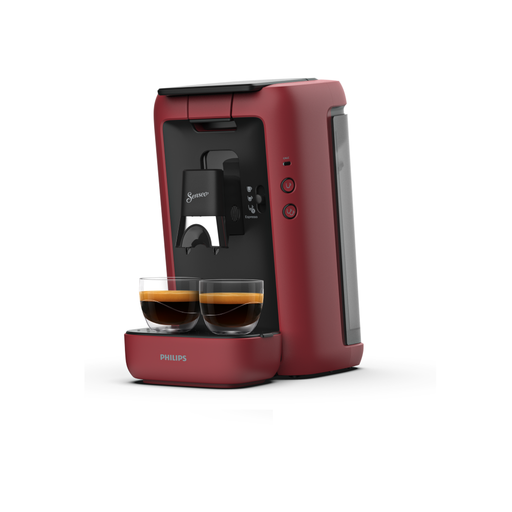 Image unavailable
Philips SENSEO Maestro CSA260/91, intense red
For individual coffees made with SENSEO soft pods. Before choosing this model, check that this type of pod suits your habits and read the descaling instructions.
View on Joybuy
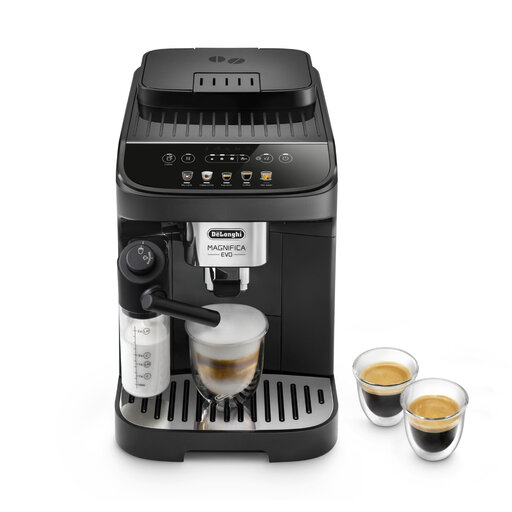 Image unavailable
De’Longhi Magnifica Evo LatteCrema ECAM290.61.B, black
This automatic machine from the Magnifica Evo range is for households that want to make coffee from whole beans and are considering milk-based drinks. Check the cleaning steps for the milk system and the repair options for model ECAM290.61.B.
View on Joybuy
 Image unavailable
HiBREW H16, grinder and milk system
For households looking to make a range of drinks with an automatic machine: the model name lists a grinder, six coffee options and a touchscreen. Check the cleaning instructions for the grinder and milk system, as well as the support available for this model.
View on Joybuy
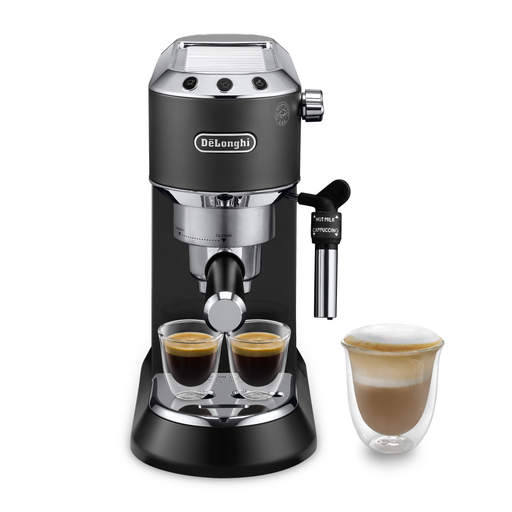 Image unavailable
De’Longhi Dedica Style EC685.BK, black
A portafilter option for anyone happy to make each espresso by hand; the product title lists 15 bar. If reservoir capacity matters when making several coffees, check the capacity of the version on sale before you buy.
View on Joybuy
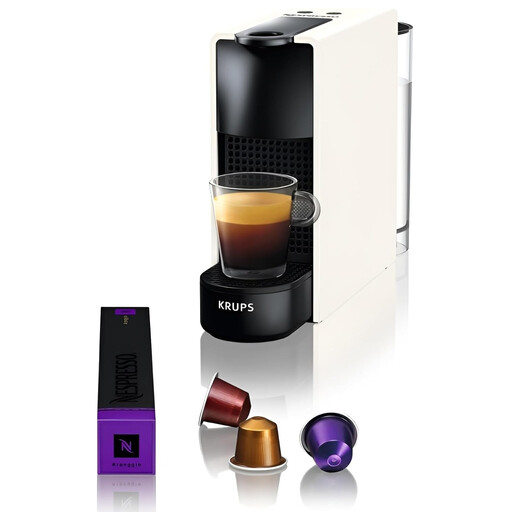 Image unavailable
KRUPS Nespresso Essenza Mini, 0.6 L, white
For making individual coffees with the capsule system used by this Essenza Mini. The product title lists a 0.6 L reservoir and 1 200 W power; depending on how many coffees you serve, check that the refills and descaling instructions suit you.
View on Joybuy
Frequently asked questions
How often should you descale a coffee machine?
Follow the instructions for your model: how often you need to descale depends on factors such as how much you use it and the water hardness. UFC-Que Choisir suggests an average interval of two to three months. For its machines, Nespresso France recommends descaling every three months or after around 300 capsules, and more often if you live in a hard water area.
Does a machine with a grinder mean you don’t need to clean it regularly?
No. Making coffee at the touch of a button doesn’t mean you can skip rinsing the containers or maintaining the brew group according to the model’s instructions, as UFC-Que Choisir explains. If you make milk-based drinks with a steam wand, rinse it after every use and follow the rest of the instructions in the manual.
How can you check parts availability before choosing a machine?
Search for the full model number on the manufacturer’s French support page, then check the manuals, available parts or accessories, and repair process. Philips and Melitta provide support services, but options vary by model. Nespresso says a repair may not be possible if the necessary parts are unavailable.
When should you consider a filter coffee maker instead of an espresso machine?
Consider a filter coffee maker if your household mainly serves several cups of filter coffee rather than individual espressos. Check that the capacity suits the amount you serve and find out which filter size you need: Melitta France says this depends on the machine and the number of cups you make.


