A cup before you head out
If you want to keep preparation simple and have limited space, compare capsule and pod machines. Check which format the machine takes and follow the descaling instructions for your chosen model.


For a cup of coffee with minimal effort, consider a capsule or pod machine. If you want to make several cups at once, a filter coffee maker may be a better choice. To use whole beans, an automatic bean-to-cup machine saves you the steps involved in using a portafilter, but it takes up space and needs regular maintenance. A manual espresso machine is a good fit if you enjoy those steps as part of making your coffee. In every case, check which coffee formats the machine accepts, its capacity and the consumables you’ll need for your routine.
If you want to keep preparation simple and have limited space, compare capsule and pod machines. Check which format the machine takes and follow the descaling instructions for your chosen model.
An automatic bean-to-cup machine lets you use whole beans without filling a portafilter for every cup. However, you’ll need to make room for it and keep its components clean, as well as descale it.
If you’re making coffee for several people or want a pot to enjoy throughout a day at home, compare filter coffee makers by capacity. This is a different way to make coffee from preparing an individual espresso.
Start with how many cups you need and the type of coffee you want. Then consider how each machine fits the steps, space and maintenance your routine allows.
| Consideration | What to check | What you need |
|---|---|---|
| Morning routine | Compare inserting a capsule or pod with measuring, tamping and cleaning a portafilter. Check the machine’s controls, too. | Before I head out, I’d rather make a cup without measuring or tamping the coffee. |
| Drinks and coffee | Check which drinks the machine makes and which coffee formats it takes: capsules, soft pods, ground coffee or whole beans. If you’re considering a manual machine, check separately whether it’s compatible with ESE pods. | I want to buy the coffee format that suits me and make the type of drink I actually enjoy. |
| Capacity and space | Measure the available width, depth and height, including the space needed to access the water tank. Match the capacity of the carafe or tank to the number of cups you make. | A carafe would be useful when we have coffee together; for a single cup, I’d choose a size that suits my worktop. |
| Maintenance | Check the manual for containers to empty, parts to clean and descaling instructions. De’Longhi says the Magnifica S descaling cycle takes around 45 minutes; this does not apply to all bean-to-cup machines. | I can make time for regular cleaning, but I want to know what needs doing after my daily coffees. |
| Running costs | Compare compatible coffee, any filters and maintenance products based on how much you use. In its guide to bean-to-cup machines, Que Choisir says the cost per cup can be two to three times lower than that of a pod espresso. This doesn’t tell you the cost of every machine or type of coffee. | If I make coffee every day, the ongoing cost of coffee and consumables matters just as much as the machine itself. |
| Waste | Find out what consumables the machine produces and how to sort them for recycling. For aluminium or plastic capsules, ADEME advises putting them in the paper and packaging recycling bin. | I want to know what to do with capsules, filters or coffee grounds after brewing, without assuming they all go in the same recycling stream. |
The coffee format a machine takes also determines what you’ll need to buy regularly. Que Choisir’s guide says an espresso made with a bean-to-cup machine can cost two to three times less per cup than a pod espresso. This comparison doesn’t establish what your own coffee habit will cost.
Compare compatible consumables with the number of cups you make, then check the manual to see what you’ll need for maintenance.
Automatic controls save you handling a portafilter for every cup, but you’ll still need to empty the containers and descale the machine. De’Longhi says the Magnifica S descaling cycle takes around 45 minutes.
Before choosing a bean-to-cup machine, read the cleaning and descaling instructions for the model you’re considering.
A narrow machine can still be deep, while a large carafe may not be useful if you only make one cup at a time.
Measure the full space available, including room to fill the machine, then match its capacity to the number of coffees you’ll serve.
Capsules and an electric machine at the end of its life belong in different collection streams.
Follow the recycling instructions for your capsules. If possible, consider repairing the machine; otherwise, take it to an electrical equipment collection point.
These examples show how different systems work; their features don’t apply to every machine from the same brand.
The Essenza Mini is an example of a machine for individual servings that uses Original system capsules.
The Original Plus is an example of a soft pod machine with controls for one or two cups.
The brand offers two distinct routines to compare: the Dedica Style’s manual portafilter and the Magnifica S’s automatic bean-to-cup system.
The EasyTop shows why a filter coffee maker can be useful when you’re making several cups in a carafe.
These models suit several of the routines covered here: making coffee with pods or capsules, using whole beans and brewing a pot of filter coffee. The 2-in-1 model combines espresso and filter coffee; check the features of the specific variant before choosing it for either use.
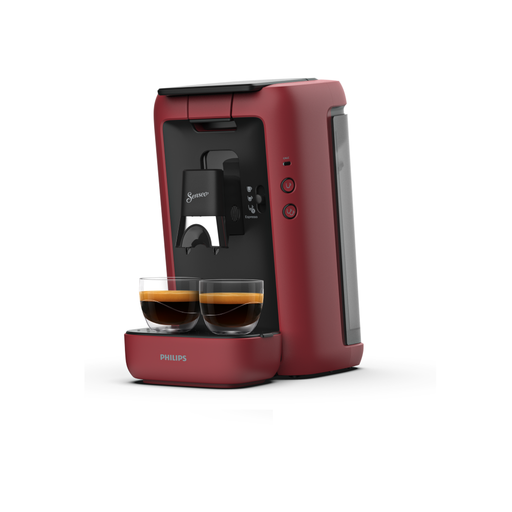 Image unavailable
If you usually make one or two cups, check which drinks this variant offers and which consumables it takes before choosing your pods.
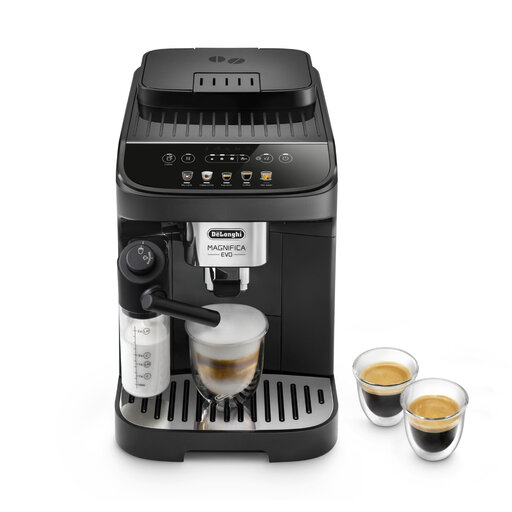 Image unavailable
If you’d like to make coffee from whole beans regularly, consider whether this automatic machine suits your available space and how much time you can set aside for cleaning, especially when making milk-based drinks.
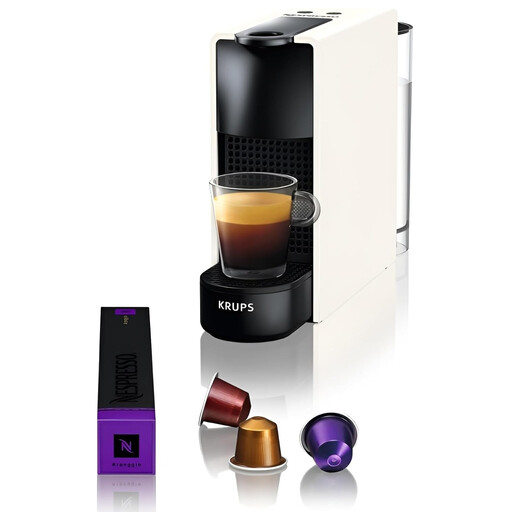 Image unavailable
For a quick individual coffee, check that your preferred capsules are compatible with this machine’s system. Its product title lists a 0.6 L water tank and 1200 W power. Check the manual for descaling instructions, too.
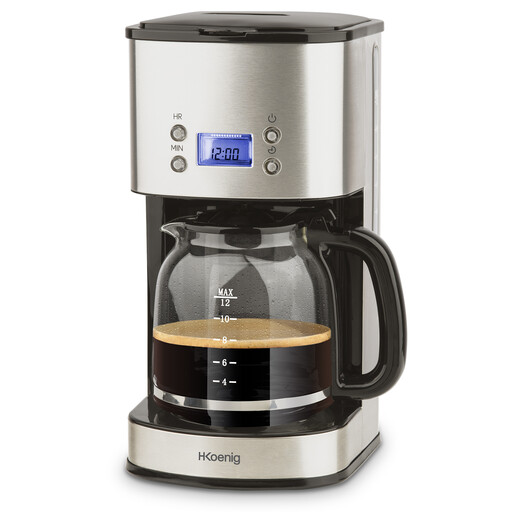 Image unavailable
The timer may be useful if you like to have a pot ready for the morning. Before choosing this model, check that its capacity suits your cups, that you have enough space for it and that you can get the right filter size.
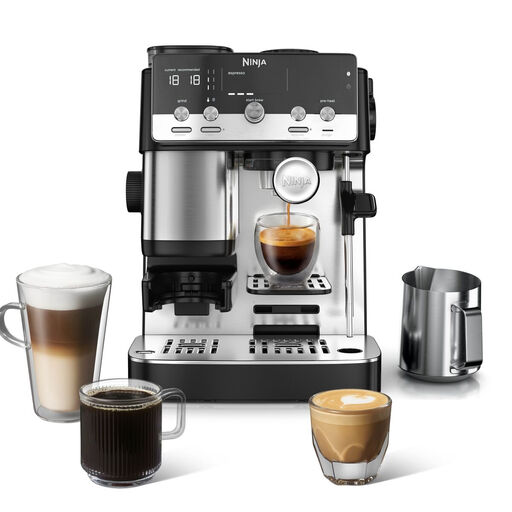 Image unavailable
This 2-in-1 model is designed for a routine that alternates between espresso and filter coffee. Before choosing it for milk-based drinks, check the milk frother configuration of the ES301EU variant. Also check how much space it takes up and what maintenance it needs.
It’s a good fit if you mainly make one cup at a time and want to avoid measuring out coffee. If you’re making coffee for several people at once, compare the capacity of a filter coffee maker, too. And if you want to use ground coffee or whole beans, look at machines that take those formats instead.
Descaling is part of the maintenance to plan for, even if the coffee-making process is automated. Check the manual for when to descale, which products are compatible and what steps are involved. De’Longhi says the Magnifica S cycle takes around 45 minutes.
Yes. According to information from France’s Ministry of the Economy, published in September 2026, the legal guarantee of conformity applies to new, second-hand and refurbished goods sold by a professional. Any commercial guarantee offered on top of this does not replace the legal guarantee.
In France, consider having it repaired first, if possible. If you need to dispose of it, the ministry responsible for ecological transition advises taking it to a collection point or recycling centre rather than putting it in household rubbish.
In France, ADEME advises putting aluminium or plastic capsules in the paper and packaging recycling bin. Check what your capsules are made of and follow the collection instructions for your address.