If you make espresso regularly and want to go from bean to cup without handling a portafilter, a bean-to-cup machine is worth considering. Bear in mind, though, that it takes up worktop space, makes noise while grinding and needs regular maintenance. Pods make preparation simpler, a portafilter machine involves more hands-on steps, and a filter coffee maker is designed for a different kind of drink.
Who are these machines for?
Regular drinkers of espresso made from beans
You often make an espresso or a longer coffee, and prefer an automated process using beans rather than a pre-portioned dose. The machine types identified by Que Choisir make it easier to compare this preference with using pods or a portafilter machine.
Households that switch between black coffee and milk drinks
You’d also like to make cappuccinos. Check the milk system on each model and the cleaning steps it requires: the drinks available and the systems used vary by model, as the Philips 2200 Series models illustrate.
People who care about space and maintenance
You’re considering a simpler option because the machine needs to fit in your kitchen and be easy to clean. Que Choisir notes that grinding adds noise and that maintenance is an important part of using a bean-to-cup machine.
How do the systems compare?
Bean-to-cup machine
Worth considering: if you want to make espresso regularly from beans, with an automated process.
Bear in mind: the noise from grinding, the extra space it takes up and the need to clean the machine’s components regularly, as noted by Que Choisir.
Pods or capsules
Worth considering: if you prefer pre-portioned coffee and minimal preparation.
Bear in mind: you’ll need to use a pod or capsule format that’s compatible with your chosen machine.
Portafilter machine
Worth considering: if you want to be involved in preparing each espresso.
Bear in mind: you’ll need to do more yourself, including measuring and tamping the coffee, than with a bean-to-cup machine.
Filter coffee maker
Worth considering: if you’re mainly after filter coffee, especially for serving several cups.
Bear in mind: it makes a different drink from espresso. An integrated grinder, available on some Melitta coffee makers, doesn’t change the filter coffee brewing method.
| What matters to you |
What to check |
Best suited to |
| Espresso made from beans |
Compare the drinks available and the model’s settings; check the instructions for details of the preparation steps. |
If I make espresso regularly, I want to use beans without measuring and tamping each cup. Around 36% of consumers would put this need first. |
| Ease of use and space |
Measure the space available and check that you can access the containers; take into account the noise while grinding, as noted by Que Choisir. |
In a small kitchen, I’d prefer a machine that’s easy to fit and use every day, even if that means going without a grinder. This would be the priority for around 29% of consumers. |
| Milk drinks |
Check which drinks are available, how the milk system works and how to clean it. |
If I make cappuccinos regularly, I want to include milk in my routine without overlooking cleaning. Around 21% of consumers would prioritise this option. |
| Larger quantities of filter coffee |
Check the carafe capacity, the type of filter and whether there’s an integrated grinder. |
When serving several cups of filter coffee, I want a suitable brewing method rather than a single espresso. Around 14% of consumers would have this priority. |
Things to bear in mind
-
Forgetting about consumables and ongoing maintenance
Choosing a system also means buying coffee or pods regularly and, depending on the machine, using filters and cleaning products.
Make a list of the consumables and maintenance tasks specified for each model, then consider how they fit with how often you make coffee.
-
Measuring only the machine’s width
A bean-to-cup machine may fit on your worktop but leave too little room to remove a water tank or open the bean hopper. Que Choisir also highlights the noise and size of this type of machine.
Measure the depth and available height, check that you can reach all removable parts, and look for a noise rating if the machine will be used near a quiet space.
-
Assuming the milk system doesn’t need maintenance
A machine designed for milk drinks adds rinsing and cleaning steps specific to its milk system. JURA’s maintenance instructions explain that the milk circuit needs dedicated products and cleaning steps.
Read the instructions for the model you’re considering to find out what needs cleaning after use and which parts can be removed.
Brands to consider across different ranges
De’Longhi
De’Longhi’s bean-to-cup coffee machines include the Magnifica, Dinamica, Eletta and PrimaDonna ranges.
- The brand has ranges focused on straightforward espresso, as well as others offering a wider choice of coffee and milk drinks.
- Check the drinks, milk system and dimensions for the model you’re considering, rather than assuming every model in a range has the same features.
Philips
The 2200 Series includes automatic machines with different features depending on the model.
- Philips describes the EP2223/40R1 as having a removable brew group, while the EP2235/47 with LatteGo offers three drinks, including cappuccino.
- Don’t assume these features are available on another 2200 Series model. Philips also recommends cleaning the brew group regularly.
Melitta
Melitta offers bean-to-cup machines designed for black coffee, as well as filter coffee makers with an integrated grinder.
- Melitta lists the Solo as 20 cm wide and has a spare parts section for its automatic machines.
- Check the other dimensions and access to the containers; parts availability needs to be confirmed for each model.
JURA
JURA highlights rinsing and cleaning programmes on its automatic machines.
- JURA’s instructions explain how to maintain the coffee and milk circuits, and which products the brand recommends.
- A guided programme doesn’t mean you can skip the cleaning steps or schedule specified for your model.
Saeco
Saeco’s bean-to-cup machines include Xelsis models, and the brand provides support resources.
- Saeco says the Xelsis Suprema offers 22 drinks; the brand also publishes information about parts and maintenance.
- This wide choice of drinks isn’t available across the whole range, and may not be necessary if you mainly make espresso.
Bean-to-cup machines on Joybuy
These models are suited to making espresso automatically from beans. If you’re still deciding between pods, a portafilter machine or filter coffee, first choose the brewing method that suits you. Then, for each machine, check the space you have and the maintenance it requires.
 Image unavailable
Philips 2200 Series EP2230/10 LatteGo, glossy black
Worth considering if you’d like to make coffee from beans and use the LatteGo system for milk drinks. Check the EP2230/10 instructions to see which drinks are available and how to clean the milk system and brew group.
View on Joybuy
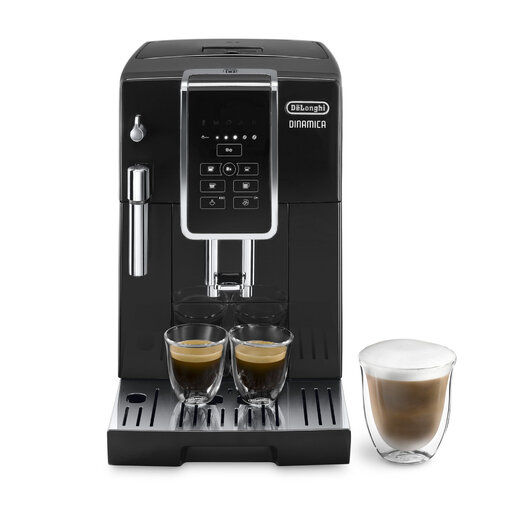 Image unavailable
De’Longhi Dinamica ECAM350.15.B, black
Worth a look if you’re after a Dinamica automatic machine for your everyday coffee. If you’re making milk drinks, check which system the ECAM350.15.B has and what steps it requires.
View on Joybuy
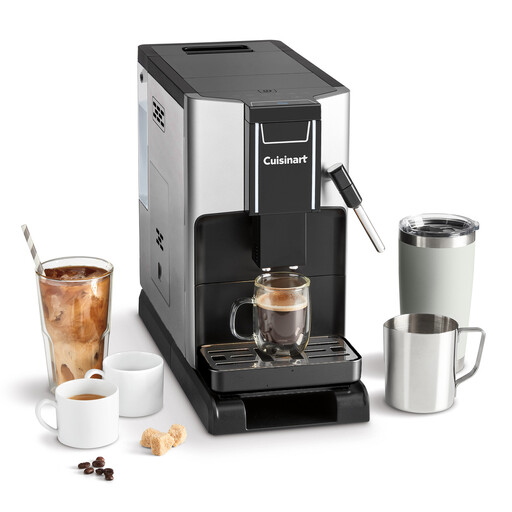 Image unavailable
Cuisinart EM550E, four coffee options
Worth a look if you’d like to choose between several drinks on an automatic machine. The EM550E name indicates four options; check which ones suit the drinks you usually have, and read the maintenance instructions.
View on Joybuy
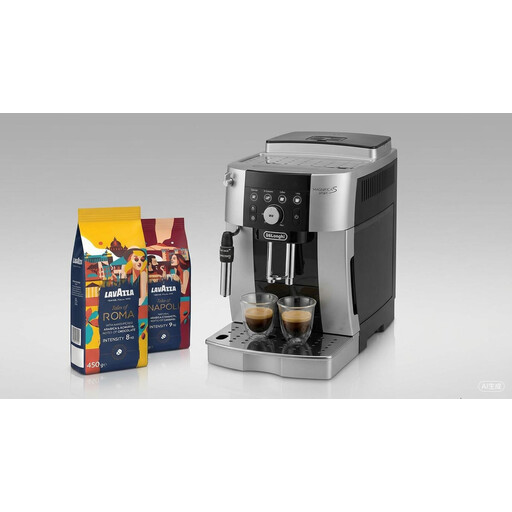 Image unavailable
Barrista Summer: DeLonghi Magnifica ECAM250.23.SB with Lavazza Tales of Napoli & Roma, 450 g (2 packs)
Worth a look if you’d like a Magnifica machine bundled with Lavazza coffee. This is a bundle, so check exactly what’s included in the two packs, as well as the cleaning instructions for the ECAM250.23.SB.
View on Joybuy
 Image unavailable
De’Longhi Magnifica S ECAM22.140.B with grinder, black
Worth considering if you want to make espresso regularly from beans with an automatic machine. Measure the space you have and check which drinks the ECAM22.140.B makes, along with its maintenance requirements.
View on Joybuy
Frequently asked questions
What should I measure before installing a bean-to-cup machine?
Measure the width, depth and available height, then allow enough room to access the tanks and containers on your chosen model. If you make coffee near a quiet room, bear in mind the noise from grinding too: Que Choisir notes that a bean-to-cup machine is larger and noisier than a pod system or filter coffee maker.
Is descaling enough to maintain a machine with a grinder?
No, descaling is only one part of maintenance. You may also need to clean the containers, brew group and, if the machine makes milk drinks, the milk system. Follow the instructions for your chosen model.
How can I check spare parts before buying?
Search for parts using the machine’s full model reference and ask the retailer what availability information they have. The DGCCRF explains the information requirements for spare parts; a manufacturer’s support section doesn’t, on its own, guarantee that a particular part is available for your model.
Does a second-hand machine bought from a business come with a legal guarantee in France?
Yes. According to the French Ministry for the Economy, the legal guarantee of conformity also applies to second-hand and refurbished goods sold by a business to an individual in France. It covers cases where the product doesn’t conform to its description. Keep your proof of purchase and the description provided by the seller.


