If you make several coffees a day, a bean-to-cup machine is a good choice if you want drinks with minimal effort and are happy to empty the trays, rinse the necessary parts and descale the machine. Capsules and pods offer pre-portioned coffee, while a portafilter leaves more of the preparation to you. Whichever type you choose, check how it handles a run of consecutive cups, which drinks it can make and what maintenance the specific model needs.
Which type suits your household?
Households making several espressos a day
If you make one cup after another, compare the time each preparation takes and how much maintenance everyone is willing to do. A bean-to-cup machine automates preparation from whole beans; with a portafilter, you need to empty out the coffee after each use.
Home workers sharing a machine
Between meetings, simple controls can matter just as much as being able to switch between drinks. Check how easy it is to access the water tank, and how the machine performs when making several cups in a row.
Fans of milk-based drinks and customisable coffee
Compare the drinks and settings available on the specific model, then check which parts of the milk system need cleaning. More automated preparation means fewer steps, while a portafilter lets you take a more hands-on approach to your coffee.
What sets these machines apart?
For several coffees a day, start by considering how many cups you’ll serve in a row, then decide how much hands-on preparation and maintenance your household is happy with.
| Factor |
What to check |
What I need |
| Making several cups |
Check the preheating time, preparation speed and consistency of the volume across consecutive cups. UFC-Que Choisir includes these measurements in its espresso machine testing protocol. |
Several people make coffee one after another, so I want to minimise interruptions and get consistent volumes. |
| Refilling |
Compare the water tank capacity and how easy it is to access. Depending on the system, also check the grounds container or where used capsules and pods go. |
If the machine is used throughout the day, I’d like to refill it and empty its containers without having to interrupt preparation too often. |
| Preparation |
Capsules and pods are pre-portioned; a portafilter requires you to prepare and then empty out the coffee. For a bean-to-cup machine, check the controls and settings available on the model you’re considering. |
I’m looking for either a quick, repeatable process or the option to take a hands-on approach to making my coffee. |
| Consumables |
Check exactly which capsule or pod format the machine accepts. For a portafilter or a bean-to-cup machine, make sure you choose ground coffee or beans that are suitable for the machine. |
Before choosing a pre-portioned system, I want to know which consumables I’ll be able to use every day. |
| Maintenance and milk |
Check the manual for instructions on rinsing, emptying the containers and descaling. If you make milk-based drinks, find out which parts need cleaning after use. |
I’m interested in milk-based drinks, but I need to be able to clean the milk system as well as carry out the usual maintenance. |
What should you check before choosing?
-
Choosing a format without checking the consumables
When you make coffee every day, capsules, pods, ground coffee or beans become a regular part of using your machine.
Think about which consumables you’ll actually use and check that they’re compatible with the model before you choose.
-
Assuming automatic preparation means no maintenance
A bean-to-cup machine automates preparation, but its tanks and grounds container need regular attention. UFC-Que Choisir also highlights the importance of rinsing, cleaning and descaling.
Check the model’s manual to see which parts need emptying or rinsing, and how to descale the machine.
-
Assuming all capsules are compatible
Choosing a capsule machine means committing to its particular system of consumables; different formats aren’t automatically interchangeable.
Check the compatibility information for the model and plan how you’ll sort used capsules. In France, ADEME says aluminium and plastic capsules can go in the paper and packaging recycling collection.
-
Adding milk without considering the cleaning
A steam wand or milk system adds parts that need cleaning after you make milk-based drinks.
Compare the drinks you’ll actually make with the cleaning steps listed in the manual for each model.
Which brands should you compare?
De’Longhi
In France, De’Longhi offers manual portafilter machines as well as automatic bean-to-cup machines: two different ways to get involved in making your coffee.
- According to De’Longhi France, its automatic models let you make a drink at the touch of a button, while its manual machines are designed for people who want more control over preparation.
- Bean-to-cup machines still need descaling. De’Longhi says how often depends on the hardness of your water.
Philips / SENSEO
The SENSEO range offers pod machines, while Baristina takes a different approach, using whole beans and a portafilter.
- Philips describes Baristina as a machine that grinds, tamps and brews coffee automatically, after which you rinse the portafilter.
- Philips recommends descaling SENSEO machines regularly. Check the maintenance requirements and drinks available for the model you’re considering.
Nespresso
Nespresso offers Original and Vertuo capsule machines. The system your machine uses determines which capsules you’ll need.
- Capsule preparation means fewer steps when measuring out each coffee.
- Nespresso recommends descaling its machines every three months or after around 300 capsules. The brand also notes that a machine may be impossible to repair if the necessary parts aren’t available.
Bean-to-cup machines on Joybuy
These models are for households looking for an automatic bean-to-cup machine to make several coffees a day. This selection focuses on bean-to-cup machines; it doesn’t compare capsules, pods and portafilter machines with one another.
 Image unavailable
Philips Series 2200 EP2230/10 LatteGo, black
This bean-to-cup machine is suited to a household that wants to switch between coffee and milk-based drinks with a LatteGo system. If several people use it one after another, check how consistent the cups are and what’s involved in cleaning the milk system.
View on Joybuy
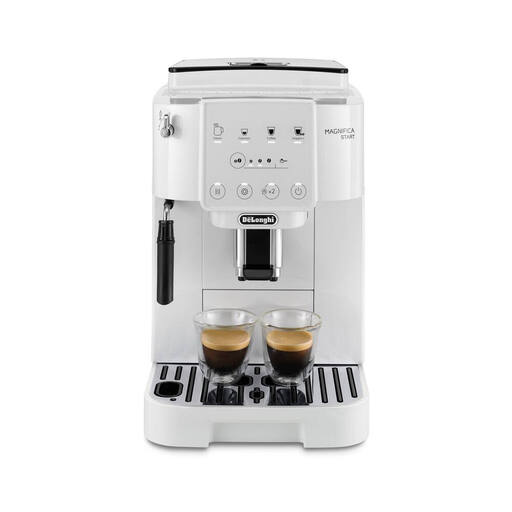 Image unavailable
De’Longhi Magnifica Start ECAM220.21.WW, white
This bean-to-cup machine suits a shared household where everyone wants to make coffee without preparing a portafilter. Compare the settings each person needs and how easy it is to access the parts that need filling or emptying.
View on Joybuy
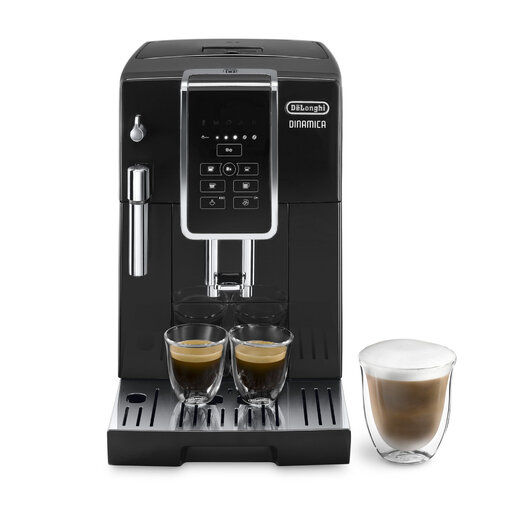 Image unavailable
De’Longhi Dinamica ECAM350.15.B, black
This automatic bean-to-cup machine is worth considering if several people want to adjust their coffee. Check which controls will be useful for your household, how consistently it makes consecutive coffees and what rinsing is required.
View on Joybuy
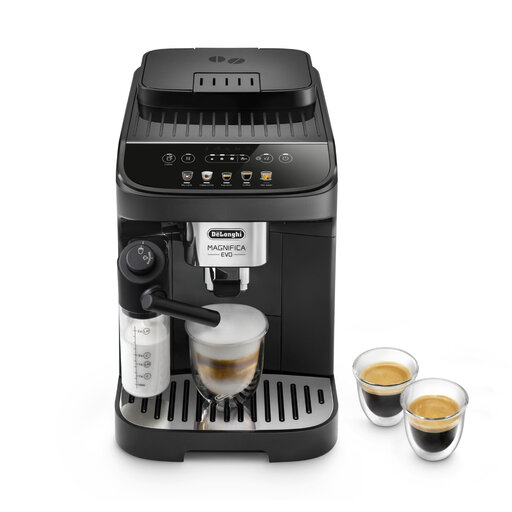 Image unavailable
De’Longhi Magnifica Evo ECAM290.61.B LatteCrema, black
The LatteCrema system makes this bean-to-cup machine a notable option for a household that regularly makes milk-based drinks. Check the manual for instructions on cleaning the milk system. If you need to make several coffees in a row, check how well the machine handles consecutive servings too.
View on Joybuy
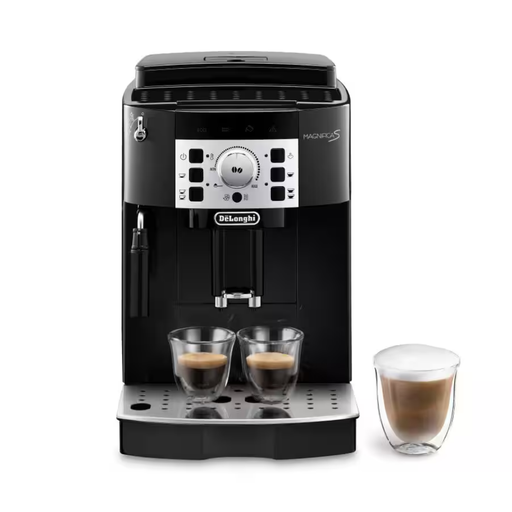 Image unavailable
De’Longhi Magnifica S ECAM22.140.B, black
This grinder-equipped model is designed for everyday coffee made from whole beans. If people in your household make coffee one after another, check how easy it is to refill, how consistent the servings are and what’s involved in descaling.
View on Joybuy
Frequently asked questions
What should I check if I’m making several coffees in a row?
Check how consistent the volume is, how quickly the machine works and how long it takes to preheat, as well as how easy it is to access the parts that need filling or emptying. In its espresso machine testing protocol, UFC-Que Choisir measures how consistent the volume is from one consecutive cup to the next.
When should I descale a Nespresso machine?
Nespresso recommends descaling its machines every three months or after around 300 capsules. Check the manual for your specific model; this guidance doesn’t set the maintenance schedule for other systems.
Where should I dispose of aluminium or plastic capsules in France?
According to ADEME, aluminium or plastic capsules should go in the recycling bin, bag or container for paper and packaging. Check the practical guidance from your local collection service.
What should I check about getting a machine repaired?
Find out whether parts are available and how the after-sales service works for the model you’re considering. Nespresso, for example, says that a repair or after-sales service may not be possible if the necessary parts aren’t available. This doesn’t affect any rights you may have if the machine is faulty.


