Capsule coffee drinkers with limited space
You usually make one coffee at a time and want to know whether another system would fit in your kitchen without making things less convenient.


If you usually make one coffee at a time and have limited space, sticking with capsules can keep your routine simple, as long as you’re happy to keep buying consumables. If you want to choose your own beans and make coffee regularly, a bean-to-cup machine is worth considering despite the space it takes up and the maintenance it needs. UFC-Que Choisir reports that it costs less per cup than capsule espresso. Soft coffee pods keep the convenience of pre-portioned coffee, while a portafilter machine suits anyone who wants a more hands-on approach to making coffee from ground beans.
You usually make one coffee at a time and want to know whether another system would fit in your kitchen without making things less convenient.
You’d like more freedom to choose your coffee and want to compare the consumables you use every day with the maintenance involved in using a different machine.
You’re considering ground coffee or beans and are happy to do a little more preparation or cleaning to move on from capsules.
To choose between capsules, soft coffee pods, a portafilter machine and a bean-to-cup machine, start by considering your available space and daily routine. Then compare the consumables and maintenance involved with each system.
| Consideration | What to check | Think about your needs |
|---|---|---|
| Space and preparation | Measure the space, including room to access the water tank and parts that need cleaning. Compare what’s involved in making one coffee or several in a row. | Is my worktop small, or do I want to make a coffee without preparing and cleaning a portafilter every time? |
| Consumables | Compare the coffee used per cup and how often you make coffee. UFC-Que Choisir says capsules and pods cost more than beans and ground coffee. Its comparison of bean-to-cup machines with pod machines looks at the cost per cup, not the total cost of owning and using the machine. | Do I make coffee often enough to look beyond the price of the machine and consider the consumables I’ll need to buy regularly? |
| Maintenance | Check the manual for your model for descaling instructions and details on accessing parts that need rinsing. For bean-to-cup machines, UFC-Que Choisir recommends regularly rinsing the used coffee grounds container and drip tray, as well as the brewing unit, depending on the model. | Would I be happy with a longer cleaning routine if I choose beans, ground coffee or milk-based drinks? |
| Coffee choice | Check which capsule or pod formats the machine accepts. For a portafilter machine, check which coffee and filters are compatible; for a bean-to-cup machine, look at the options available with the model you’re considering. | Do I want to try different coffees without relying on one pre-portioned format, or would I rather keep the convenience of ready-to-use portions? |
Your choice also affects the consumables you’ll need and the maintenance involved. UFC-Que Choisir reports a lower cost per cup for a bean-to-cup machine than for pod espresso, but this comparison doesn’t cover all the costs of using the machine.
Estimate how many coffees you make and, for the systems you’re considering, compare the coffee used, descaling requirements and any filters you may need.
The used coffee grounds container and drip tray need regular rinsing, and other parts may need cleaning too, depending on the model. UFC-Que Choisir recommends descaling the machine when prompted.
Check the manual for the exact model to see how easy it is to access parts that need rinsing and what you need to do after making a milk-based drink.
According to UFC-Que Choisir, many capsule machines only accept one format. The system you choose will determine which consumables you can use.
Check which formats are compatible with the specific machine you’re interested in, rather than relying on a capsule’s appearance.
A bean-to-cup machine needs space on your worktop, with enough room to access its tanks and parts that need cleaning. The right choice for occasional use may be different from the right one for making coffee every day.
Measure your available space and compare it with the dimensions of the model. Consider how often you’ll really use it before moving on from capsules.
These options cover switching to a bean-to-cup machine or making coffee with a portafilter. If you’re deciding whether to move on from capsules, compare them with soft coffee pods too, and think about the routine you’d like to keep.
 Image unavailable
Worth considering if you’d like to make coffee from beans and have the LatteGo milk system. Check how much space you’ll need and what’s involved in maintaining it before replacing your capsule machine.
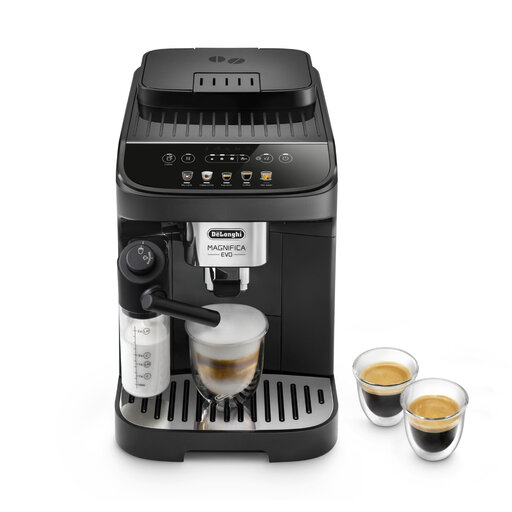 Image unavailable
This automatic machine with the LatteCrema milk system is for anyone looking to move on from pre-portioned coffee while still enjoying milk-based drinks. Measure the space you have and check the manual for the cleaning routine for this model.
 Image unavailable
This Magnifica Start machine is worth considering if you’d like to switch from capsules to coffee beans. Check its dimensions against your available space and read the manual to see what maintenance is involved.
 Image unavailable
Its built-in grinder makes this a good option if you’d like to use beans instead of capsules. Before choosing this model, check how much space you’ll need and what maintenance is required for the parts used to make your coffee.
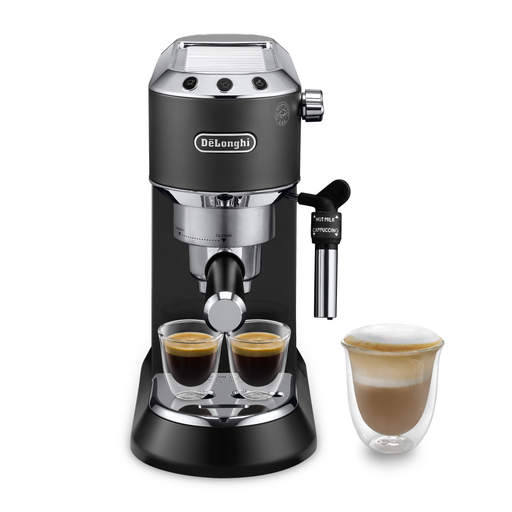 Image unavailable
Worth considering if you’d rather make espresso by hand than use capsules. Check which filters and coffees are compatible with this variant, and what’s involved in cleaning the portafilter and steam wand.
UFC-Que Choisir says espresso made with a bean-to-cup machine costs less per cup than pod espresso. To decide whether switching is right for you, also consider how often you’ll use it and the maintenance it needs. The cost-per-cup comparison doesn’t cover all the costs of owning and using the machine.
First, follow the indicator and instructions for your model. UFC-Que Choisir recommends descaling every two to three months on average, depending on water hardness and how often you use the machine. Philips recommends descaling its SENSEO machines every three months; some models have a CALC light.
Not necessarily when you’re making your coffee: an automatic machine can start preparing it once it’s been filled. However, it needs a different maintenance routine. UFC-Que Choisir recommends regularly rinsing the used coffee grounds container and drip tray, then descaling the machine when prompted.
Check the manual for your model to find out which parts you can access and how to clean the machine after making a milk-based drink. Also check the descaling instructions and make sure you have enough room to remove the tanks and trays.