If you drink espresso regularly
You regularly make black coffee at home and want to choose your beans, the strength or the size of your drink. An automatic machine with a grinder can meet these needs if you’re happy to maintain it regularly.


A bean-to-cup machine is a good choice if you make espresso often, want to choose your beans and are happy to make room for the machine and maintain its grinder. If ease of use and saving space matter most, compare capsule machines. For making larger quantities of filter coffee, choose a filter coffee maker rather than an espresso machine. A portafilter machine is also worth considering if you want to make espresso without using capsules and are happy to be more involved in the process.
You regularly make black coffee at home and want to choose your beans, the strength or the size of your drink. An automatic machine with a grinder can meet these needs if you’re happy to maintain it regularly.
You switch between black coffee, cappuccinos and lattes. Check which drinks the specific model can make, as well as how to dismantle and clean its milk system. The number of recipes doesn’t tell you how much cleaning is needed after each use.
If you have limited worktop space or want to keep daily preparation to a minimum, compare the space a grinder takes up and its maintenance needs with those of a capsule machine. Que Choisir notes that grinders generally take up more space and make more noise than capsule systems or filter coffee makers.
Start with the drink you make most often, then check how much space you have and what level of daily maintenance you’re happy with.
Consider it: if you often make espresso and want to choose your beans and adjust the settings to suit your tastes.
Bear in mind: the grinder is generally larger and noisier, and the machine needs rinsing and descaling as specified for that model.
Consider it: if you want espresso without relying on a particular capsule format.
Bear in mind: check the preparation and cleaning steps required for the machine you’re considering.
Consider it: if simple preparation and a compact machine matter more to you than choosing your beans.
Bear in mind: the drinks you can make depend on which capsules are compatible with the machine.
Consider it: if you mainly make filter coffee from ground coffee, especially in larger quantities.
Bear in mind: it won’t make the same kind of drink as an espresso machine.
| Consideration | What to check | Who it’s for |
|---|---|---|
| Espresso and choice of beans | Check which grind, strength and drink-size settings are actually available on the model. | If espresso is my everyday drink, I want to choose my beans and tailor each cup to my taste; around 37% of consumers say this freedom is their top priority. |
| Long-term cost | Consider the cost of the machine, coffee or compatible capsules, and maintenance products, based on how often you use it. | If I make several coffees each week, regular running costs matter just as much as the initial purchase; around 27% of consumers say this is their main concern. |
| Space, noise and maintenance | Check the dimensions, including the space needed to fill the containers, how noisy the grinder is and what the instruction manual says about maintenance. | In a small kitchen, I need to be able to fit the machine in and live with its noise and cleaning routine; this is the top priority for around 18% of consumers. |
| Milk-based drinks | Check the type of milk system, which parts need dismantling and how to rinse it after use. | If I often make cappuccinos, I want to be able to clean the milk system without complicating my routine; around 18% of consumers prioritise this. |
The cost of capsules, beans and maintenance products all add up over time. Que Choisir says that an espresso made with a grinder can cost less per cup than one made with a coffee pod, but there’s no single tipping point that applies to every household.
Compare costs based on how much coffee you actually drink, and the coffee and maintenance products you plan to use.
According to Que Choisir, a machine with a grinder is generally bulkier and noisier than a capsule system or filter coffee maker. You’ll also need to be able to reach the containers to fill or empty them.
Measure the space you have, including any clearance needed, and check the manual and an acoustic test of the model if noise is a deciding factor.
A steam wand or milk carafe means extra cleaning after making milk-based drinks. A feature you rarely use could end up making your routine more complicated.
If you often make cappuccinos, check which parts need dismantling and how to rinse the specific model. Otherwise, a simpler set-up for black coffee may be all you need.
Que Choisir has reported that some commercial guarantees for grinder machines include a limit on the number of coffees made. In France, the statutory legal guarantee of conformity that applies to sales from a business to a consumer is separate, as explained by the Ministry of the Economy.
Read the terms of the commercial guarantee, including any usage limits, and keep your proof of purchase.
The French range of bean-to-cup espresso machines includes the Magnifica, Dinamica, Eletta Explore and PrimaDonna lines.
The range includes automatic machines for black coffee, as well as models with the LatteGo milk system.
The brand sells automatic machines and dedicated maintenance products on its French website.
These models are options if you’re looking for an automatic bean-to-cup machine to make espresso at home. For milk-based drinks, check whether the model has a LatteGo system or a steam wand, and find out what maintenance it requires.
 Image unavailable
Worth considering if you want to make espresso from beans and also use a LatteGo milk system.
Check how to clean the LatteGo parts on this model, as well as how much space you’ll need to fit the machine.
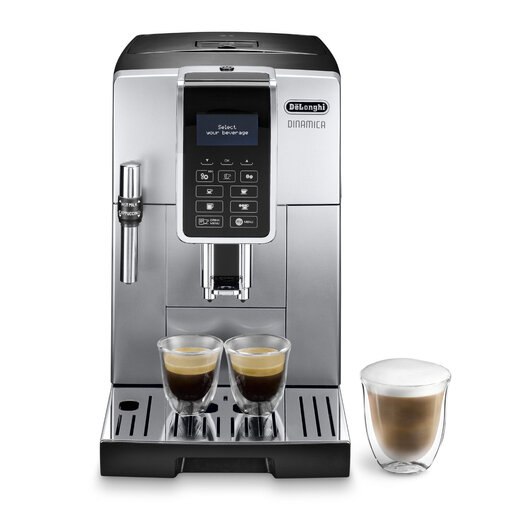 Image unavailable
This automatic machine is worth considering if you regularly make espresso and would also like to prepare milk-based drinks.
Milk is frothed using a manual steam wand, so you’ll need to clean it after use.
 Image unavailable
Worth considering if you want to make espresso from beans and occasionally froth milk.
The steam wand requires you to froth the milk manually and clean it after making milk-based drinks.
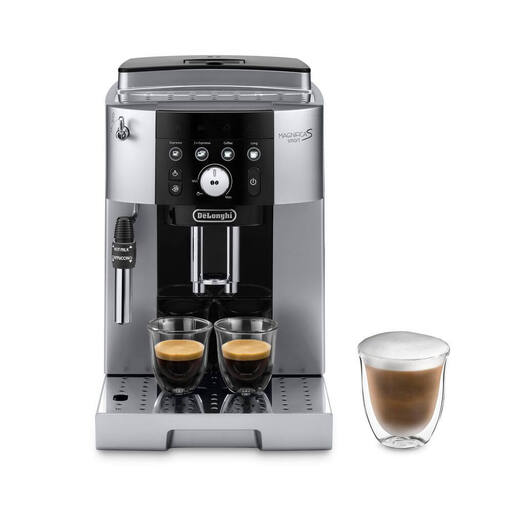 Image unavailable
This automatic grinder machine is designed for people who mainly make coffee from beans, with the option of making milk-based drinks now and then.
The steam wand requires you to froth milk manually and clean it after use.
 Image unavailable
Worth considering if you want an automatic bean-to-cup machine that can also make milk-based drinks.
The product is described as offering six types of coffee and a touchscreen. If you use milk often, check exactly what type of system it has and how to clean it before choosing.
There’s no number of cups that works for every household. Que Choisir found that espresso from a grinder machine costs less per cup than espresso made with pods, but your decision should take into account how often you drink coffee, the machine itself, and the coffee and maintenance products you’ll use.
Empty and rinse the containers as instructed in the manual, then descale the machine when prompted. For milk-based drinks, clean the steam wand or follow the milk system’s cleaning instructions after use. The exact steps depend on the model.
It could be, provided the machine makes the drinks you want and cleaning it fits into your routine. Philips describes its LatteGo system as having two parts and no tubes. Check the parts and cleaning instructions for the specific model you’re considering.
No. Que Choisir has reported commercial guarantees for grinder machines that include a limit on the number of coffees made, but these are separate from the statutory legal guarantee of conformity. In France, according to the Ministry of the Economy, this statutory guarantee applies in particular to new, second-hand and refurbished goods sold by a business to a consumer.