If you drink several coffees a day, first decide whether you want to make each cup separately or serve several people from a carafe. A bean-to-cup machine is a good choice if you want to choose your own coffee and are happy to maintain the machine. Capsules and pods mean fewer steps when making coffee, but you’ll need to check which formats are compatible. A filter coffee machine is suited to serving several people, while a portafilter machine involves more hands-on preparation and cleaning for every coffee.
Which households are these options suited to?
Households making several individual coffees
If everyone has their coffee at a different time, compare the ongoing cost of supplies, your choice of coffee and the maintenance involved. Que Choisir highlights bean-to-cup machines as an option for coffee enthusiasts and people who drink a lot of coffee.
Households looking for a quick, easy brew
If you make cups throughout the day, capsules and pods mean less measuring. However, check which formats the machine accepts and, if needed, whether your chosen model can make two cups at once.
Households mindful of waste and maintenance
If the end-of-life impact of coffee supplies and cleaning time matter to you, check both the applicable recycling guidance and the maintenance routine for each machine. ADEME sets out how to recycle aluminium and plastic capsules, while manufacturers explain how to descale their models.
What sets coffee machines apart?
If you drink several coffees a day, start by thinking about how many cups you need to serve at once and which drinks you actually enjoy. Then consider the supplies and maintenance involved.
| Factor |
What to check |
Who is it for? |
| Ongoing cost |
Compare the cost of beans, ground coffee or pods for the same drink, then factor in any filters and cleaning products you’ll need. |
If I’m making several coffees every day, I want to know how much my choice of supplies will cost over time. Around 28% of consumers put ongoing costs first. |
| Speed and ease of use |
Check the steps involved in making a coffee and whether the specific model can serve one or two cups. |
If everyone has their coffee at a different time, I’d rather make a cup with minimal manual measuring. Around 22% of consumers put ease of use first. |
| Drinks and serving style |
List the drinks you usually make and check whether the machine serves individual cups or has a carafe suited to your needs. |
Some days we want individual coffees; at other times, several people have a drink together. Around 17% of consumers prioritise drink formats and serving style. |
| Waste and format |
Check the material used for the coffee supplies, whether they’re compatible and what recycling options are available locally. |
I don’t want to choose a capsule without knowing where to recycle it after use, or be tied to a format that doesn’t suit me. Waste management and format flexibility are priorities for around 17% of consumers. |
| Maintenance |
Check the model’s manual for routine cleaning and descaling instructions, especially if it has a grinder or a milk system. |
Between busy days, I can set aside time for maintenance, but I want to know what’s involved and how long it will take. Around 16% of consumers put this consideration first. |
What should you watch out for before buying?
-
Mixing up capsule systems
Nespresso’s Original range is designed around espresso, while Vertuo offers formats from espresso to a mug. So the brand name alone won’t tell you which capsules are right for a machine.
Make a note of the drinks you want and check which capsule range is listed for your chosen model.
If you buy incompatible capsules, you’ll have to switch to different supplies to use the machine.
-
Comparing costs for different drinks
Que Choisir found a difference in the cost per cup between a bean-to-cup machine and a pod espresso machine. The cost for your household, however, depends on the coffee, recipes and supplies you choose.
Compare equivalent drinks and quantities using the products you actually plan to buy, and include any filters and maintenance supplies you’ll need.
-
Assuming recyclable means it will definitely be recycled
ADEME says aluminium and plastic capsules can go in the recycling collection for paper and packaging. For other materials, check the relevant guidance and collection options separately.
Before choosing a machine for this reason, check the material used for its supplies and the recycling guidance in your area.
-
Forgetting about cleaning time
Using ready-to-use pods doesn’t mean you can skip descaling. De'Longhi gives a 20 to 30-minute cycle as an example for one bean-to-cup machine, but this won’t apply to every model. Philips and Sage also provide guidance on maintenance specific to their machines.
Check the model’s manual to find out which parts need cleaning, what alerts to expect and how to descale it.
Allow for the time when the machine won’t be able to make coffee during a maintenance cycle.
Brands to consider by machine type
De'Longhi
Worth considering if you’re looking for a domestic bean-to-cup espresso machine and are happy to follow its maintenance routine.
- De'Longhi’s support information describes a guided descaling cycle for the example shown.
- How often you need to descale depends in part on water hardness, so check the instructions for your chosen model.
Nespresso
Worth comparing if you’re interested in capsules and need to decide which drink formats you want before choosing a machine.
- Nespresso’s Original range is designed for espresso, while Vertuo offers formats from espresso to a mug.
- Check which capsule system is compatible and the descaling guidance for your chosen model.
Philips SENSEO
Worth considering if you prefer soft coffee pods, particularly if you often make one or two cups separately.
- Philips describes this option on certain models; the SENSEO Switch HD6592/65 combines pod brewing with a filter coffee carafe.
- Check the features and descaling instructions for the exact model number.
Sage
Worth considering if you want to use a portafilter and don’t mind getting more involved in preparing your coffee.
- Sage explains the cleaning tasks to consider before buying an espresso machine.
- Rinsing the filter basket, cleaning the group head and descaling all require a routine suited to the model.
Melitta
Worth considering if you’re comparing a filter coffee machine with an automatic bean-to-cup machine.
- Melitta offers both types of machine for making coffee at home.
- For filter coffee machines, Melitta explains that the filter size depends on the machine and the number of cups you’re making.
Machines for bean-to-cup or filter coffee
These Joybuy models let you explore two ways of making coffee: preparing individual cups with a bean grinder, or using a filter coffee machine to serve several cups at once. Start by choosing the serving style that suits your household.
 Image unavailable
Philips Series 2200 EP2230/10 LatteGo with grinder
Worth considering if you want to make individual coffees from beans. The model name indicates that it has a grinder and the LatteGo system; check which drinks it offers and what cleaning the system requires.
View on Joybuy
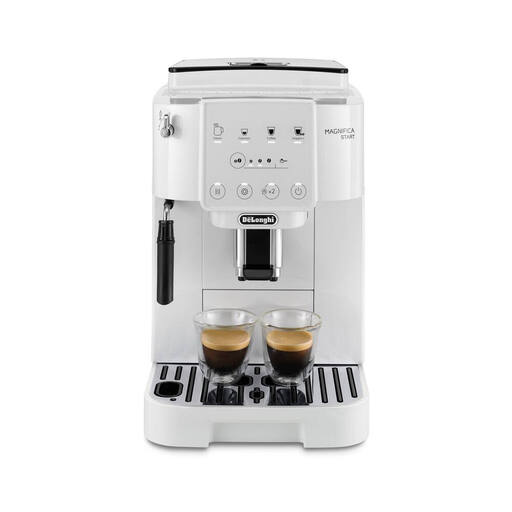 Image unavailable
DE'LONGHI Magnifica Start ECAM220.21.WW, white
A bean-to-cup espresso machine worth considering if your household regularly makes individual coffees. To choose between this model and a pre-portioned option, compare the supplies you usually buy and check its maintenance instructions.
View on Joybuy
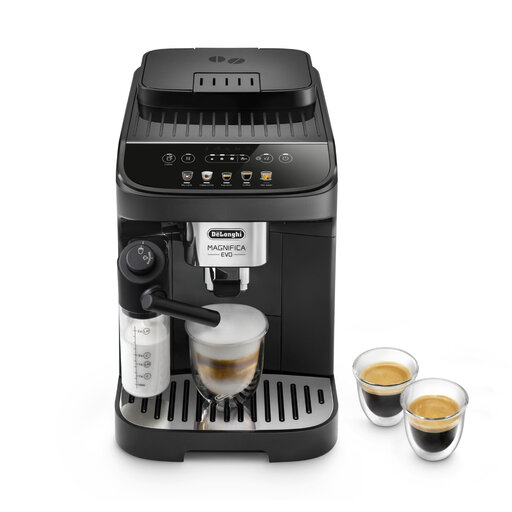 Image unavailable
DE'LONGHI Magnifica Evo ECAM290.61.B LatteCrema, black
Worth considering if milk-based drinks are part of your routine as well as bean-to-cup coffee. Check which drinks are available with this model and what’s involved in maintaining the LatteCrema system.
View on Joybuy
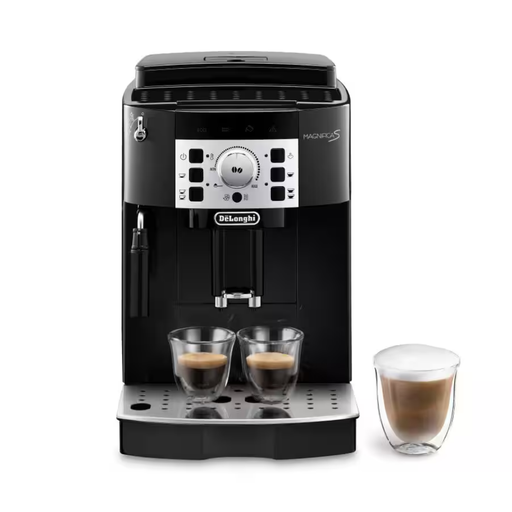 Image unavailable
DE'LONGHI Magnifica S ECAM22.140.B with grinder, black
Worth considering if you prefer individual espressos made with a grinder machine. Check the brewing options that matter to you and what cleaning is needed after making your usual drinks.
View on Joybuy
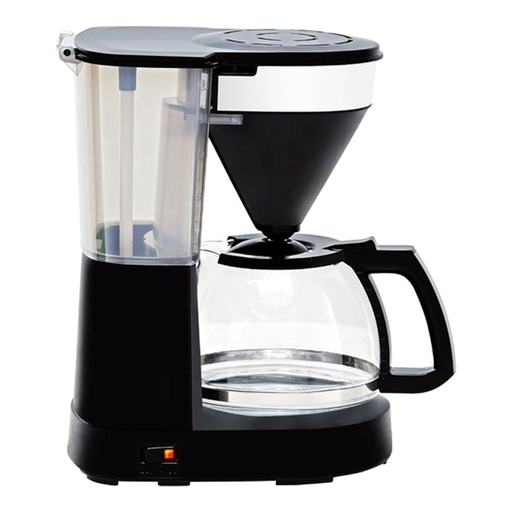 Image unavailable
Melitta Easy Top II, black
This filter coffee machine is worth considering if several people have coffee at the same time. Before choosing this model, check that its capacity suits your needs and confirm which filter size it takes.
View on Joybuy
Frequently asked questions
Where should I recycle aluminium or plastic coffee capsules?
ADEME advises putting them in the recycling bin, bag or container for paper and packaging. If you’re unsure which option to use locally, check your local authority’s guidance.
Can I put a paper coffee pod in my compost?
Don’t rely on the word ‘paper’ alone. Check the guidance for your chosen pod and whether there’s a suitable composting or food-waste collection scheme near your home.
Do capsule or pod machines need descaling?
Yes. Using ready-to-use pods doesn’t remove the need for maintenance. Philips recommends regularly descaling SENSEO machines, while Nespresso provides guidance for each machine. Check the manual for the procedure and which product to use.
How can I compare the cost of coffee made with different machines?
Compare like-for-like drinks and quantities: work out how much bean or ground coffee you use for each cup, or how many capsules or pods you need. Add the filters and maintenance supplies for each machine, so your calculation reflects your household’s habits.


