Busy households making one cup at a time
If you want to keep the steps before each coffee to a minimum, compare capsule and pod systems. They’re simple to use, but you’ll need to replace compatible consumables.


When choosing a coffee machine for everyday use at home, start with the drinks you make and how much time you want to spend on each cup. Capsules and pods make serving simple, filter machines brew a full pot, portafilter machines give you more control over the process, and bean-to-cup machines grind coffee on demand. Also consider the consumables you’ll need to replace, cleaning and the space available. According to Que Choisir, bean-to-cup espresso machines are generally bulkier and noisier than capsule or filter coffee machines.
How often you make coffee isn’t the only thing to consider: how many cups you serve at once and how involved you want to be in making each one also affect your choice.
If you want to keep the steps before each coffee to a minimum, compare capsule and pod systems. They’re simple to use, but you’ll need to replace compatible consumables.
If coffee is a regular part of your day, check which type of coffee the machine takes and what you’ll do with the grounds, pods or capsules afterwards. ADEME, for example, describes a dedicated collection scheme for capsules returned to collection points.
If you want more control over how your coffee is made or enjoy frothing milk, compare the features of portafilter and bean-to-cup machines model by model. A steam wand or milk system still needs to be cleaned, so check what’s involved.
First, decide whether you’d prefer to make one cup at a time, brew a pot of filter coffee or have more control over how your espresso is made. Then check what’s involved in using and maintaining your chosen machine at home.
Worth considering: if you mainly make one cup at a time and want to keep handling to a minimum.
The trade-off: you’ll need to replace compatible capsules and check what collection options are available near you. ADEME describes how capsules returned to collection points are processed.
Worth considering: for simple coffee-making, with one or two cups at a time depending on the machine. Philips describes this use for its SENSEO Original HD7806/12 model.
The trade-off: your choice of pods depends on the compatible system, and you won’t have the same hands-on control as with a portafilter machine.
Worth considering: if you want more control over making espresso and, depending on the model, a steam wand for frothing milk.
The trade-off: filling and cleaning the portafilter adds steps every time you make coffee. Check separately whether the machine has a grinder.
Worth considering: if you want to grind beans on demand without preparing a portafilter yourself.
The trade-off: the brew group and, where included, the milk system need regular care. Que Choisir also notes that these machines can be bulky and noisy.
Worth considering: if several people want filter coffee served from a carafe.
The trade-off: this type of machine won’t meet your needs if you’re after a short espresso. If you sometimes make smaller amounts, check the minimum capacity and the model’s settings.
| Consideration | What to check | Consumers concerned |
|---|---|---|
| Consumables and waste | Which coffee the machine takes and what local options are available for grounds or capsules. | If I make coffee often, I want to know which consumables I’ll need to replace and how to deal with the waste after each cup. Around 33% of consumers make this a priority. |
| Ease of use | The steps needed for each cup and what you need to do afterwards. | When my day gets off to a busy start, I’d rather make coffee without grinding or tamping every time. For around 27% of consumers, ease of use comes before other considerations. |
| Espresso and milk | The settings you can actually adjust and whether the machine has a steam wand or milk system. | I want to have more control over my espresso or make a milk-based drink, even if that means spending time on cleaning. This is a priority for around 27% of consumers. |
| Making several cups | The carafe capacity and whether there’s a setting for smaller quantities. | When several people have coffee together, I’d rather brew a pot than make each cup separately. Around 13% of consumers prioritise this way of making coffee. |
Descaling isn’t always the only maintenance involved. Philips support pages also cover cleaning the brew group and removing coffee oils, depending on the machine. De'Longhi says that how often you need to descale depends on the water hardness.
Read the manual for the model you’re considering and check which parts need cleaning, what programmes are available and what you’ll need to do after making a milk-based drink.
Allow time to clean the brew group and, if your machine has one, the milk system.
ADEME describes a dedicated process for capsules returned to collection points. Nespresso says that putting its capsules in the yellow recycling bin depends on your area.
Before choosing a capsule machine, check your local council’s guidance and which collection points you can use.
A steam wand and a milk system involve different steps, and features vary from one model to another. A feature you rarely use may still mean another part to clean.
Start with the drinks you actually make at home, then check how the milk system you’re considering works and how to clean it.
These brands showcase different types of machines, but a feature on one model won’t necessarily be available across the whole range.
A capsule machine brand with a collection scheme in France.
A soft pod system for simple coffee-making, with one or two cups at a time depending on the model.
A brand to consider for bean-to-cup espresso machines and manual espresso machines for home use.
A brand with both SENSEO pod machines and LatteGo bean-to-cup espresso machines.
A brand to look at for filter coffee machines with a range of carafe styles.
A brand to consider if you want a portafilter machine that lets you take control of your espresso and froth milk.
These Joybuy machines include automatic bean-to-cup, portafilter and SENSEO pod models. Compare them based on the drinks you make and how much hands-on preparation you’re happy with day to day.
 Image unavailable
Worth considering if you regularly want to make coffee from beans and would like a milk system. Before making it part of your routine, check what’s involved in cleaning the coffee brew group and LatteGo components.
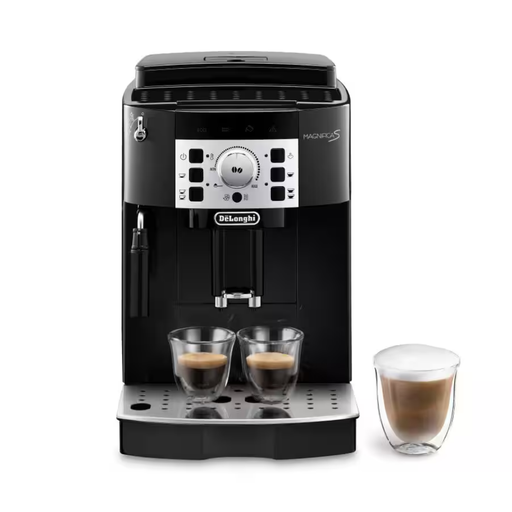 Image unavailable
Worth considering if you want to make espresso from beans as part of your routine and are happy to maintain a grinder. If you’d also like to froth milk, check what’s involved in using the steam wand and measure the space you have for the machine.
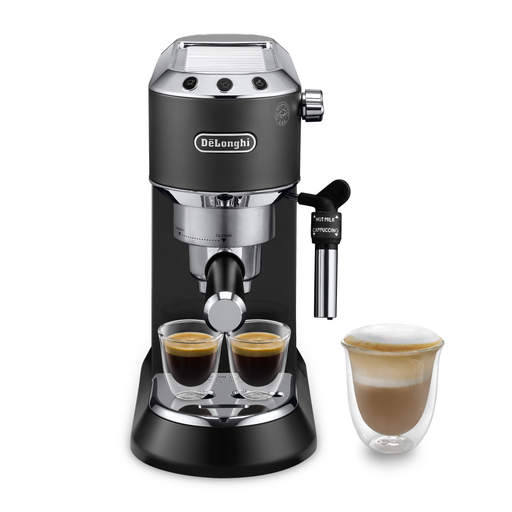 Image unavailable
Worth considering if you’d like more control over making espresso rather than starting each cup with an automatic programme. Allow for the steps involved in using the portafilter and steam wand, and check the water tank capacity of this model before choosing.
 Image unavailable
Worth considering if you’re looking for a bean-to-cup machine that also makes milk-based drinks. The model offers six drink options; check that they suit your routine and read the manual for guidance on maintaining the grinder and milk system.
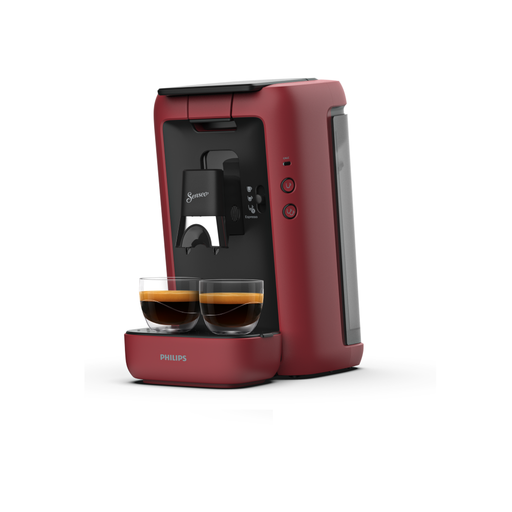 Image unavailable
Worth considering if you prefer a machine that keeps handling to a minimum rather than one that lets you adjust a portafilter. Choose pods that are compatible with the SENSEO system and descale the machine as instructed for this model.
Follow the descaling and cleaning instructions for your chosen model. De'Longhi says that how often you need to descale depends on water hardness. Philips support guidance shows that maintaining some machines also involves cleaning or lubricating the brew group. A milk system may need extra care.
No. First check the guidance for your local council and the type of capsule you use. ADEME describes how capsules returned to collection points are processed, while Nespresso says that putting its capsules in the yellow recycling bin depends on your area.
ADEME lists coffee grounds as food waste, which can be added to a suitable composting scheme. Follow the guidance from your local council or the composting scheme you use.
If your household prefers filter coffee served from a carafe, start by comparing filter coffee machines and their capacities. If you sometimes make smaller quantities, check whether there’s a dedicated setting. Melitta describes a 2–5 cup setting for its One Therm, but that feature isn’t necessarily available on its other models.