For regular espresso made from beans, a bean-to-cup machine could be a good fit if you’re happy to deal with the cleaning, noise and space it requires. Capsule machines keep preparation simple, but you’ll need to choose a compatible capsule format. A portafilter machine involves more hands-on preparation, while a filter coffee machine is a better choice if you’d rather brew a whole pot than make individual espressos.
Who are these machines for?
Households that make espresso regularly
A bean-to-cup machine could be a good fit if you want to use coffee beans and regularly make short coffees. Make sure you have room for the machine and easy access to the parts that need cleaning. UFC-Que Choisir lists coffee enthusiasts and heavy coffee drinkers among the people who may benefit from this type of machine.
People who want to make a cup with minimal effort
A capsule machine suits this preference if you’re happy with its capsule format. Check which capsules are compatible, how much room you’ll need to open the machine and how to descale it: simple preparation doesn’t mean there’s no maintenance.
Fans of hands-on preparation or filter coffee
A portafilter machine is for people who want to get involved in making their espresso. If you’d rather brew a pot of filter coffee, consider a filter coffee machine instead. Either way, preparation time and cleaning are part of the decision.
What should you compare for everyday use?
Start with the drink you make most often, then think about the steps you’ll repeat and the space available around the machine.
| Priority |
What to check |
What I need |
| Type of drink |
Choose between individual espressos and filter coffee brewed in a pot. If you enjoy milk-based drinks, check what equipment the model has and what steps it involves. |
I mainly make espressos, or I’d rather have several cups of filter coffee in a pot. |
| Preparation |
Compare the steps involved in making each cup: using a capsule, operating a bean-to-cup machine or preparing coffee with a portafilter. For the latter, check the model’s specific settings and accessories. |
In the morning, I want to keep handling to a minimum; at other times, I’d rather be more involved in preparing my coffee. |
| Maintenance |
Check the manual for instructions on rinsing the trays, brewing unit or milk components, depending on the machine. Also check the descaling process and guidance. |
I can spend time cleaning after making coffee, or I’d rather minimise the jobs between uses. |
| Space and noise |
Measure the machine and allow room to fill the water tank and remove the trays. UFC-Que Choisir notes that bean-to-cup machines take up more space and make more noise than capsule or filter machines. |
My worktop space is limited, or the noise during preparation could be disruptive at home. |
| Consumables |
Check which coffee or capsule format is compatible, what filters you’ll need and which cleaning products the manual recommends. Think about how many drinks you actually make. |
I want to be able to find the right consumables easily for the machine I’ll use every day. |
What should you remember before buying?
-
Buying a bean-to-cup machine without planning for maintenance
The trays and, depending on the model, the brewing unit and milk components need regular attention. Descaling is also part of using the machine.
Before choosing, check the manual to see which parts are accessible and what needs cleaning after making a milk-based drink.
Allow time for these tasks, as well as for the cleaning products recommended for the model.
-
Forgetting about consumables after choosing your machine
Beans, capsules and filters aren’t interchangeable. With a capsule machine, the compatible format determines which capsules you can use.
Make a list of what you need for your usual drinks, then check that the consumables are compatible and review the machine’s maintenance guidance.
-
Assuming a capsule machine doesn’t need descaling
Making a coffee may take just a few steps, but the machine still needs maintenance. Nespresso recommends descaling its machines every three months or after around 300 capsules.
Follow the manual for the model you choose and make sure you’re happy with its descaling process.
-
Not planning how to sort used capsules
Used capsules need to be collected and disposed of. In France, ADEME provides sorting guidance for aluminium and plastic capsules.
If this is an important factor for you, compare it with using whole or ground coffee and check the sorting guidance that applies where you live.
A few brands to know
These brands represent different types of coffee machine, with features varying from model to model.
De'Longhi
The brand offers bean-to-cup machines, from straightforward models to machines with a wider choice of drinks.
- De'Longhi says its bean-to-cup machines make drinks from freshly ground beans at the touch of a button.
- Check the drinks available, access to the parts that need cleaning and the space required for the model you choose.
Nespresso
The brand is known for its Original and Vertuo capsule machines. Make sure you know which capsule format you need before buying.
- Nespresso describes the Essenza Mini as a machine that’s simple to use.
- Check the capsule format for the machine you’re considering and remember to factor in descaling.
Sage
Sage offers portafilter espresso machines for people who want to get involved in preparing their coffee.
- According to Sage, some machines offer features for grinding, extraction or frothing milk.
- Check whether each model has a grinder and how much help it provides with dosing or tamping.
Melitta
Melitta offers filter coffee machines as well as automatic bean-to-cup models.
- Melitta’s product information for the LOOK filter coffee machine describes a removable water tank and a swing-out filter holder.
- The pot capacity, removable parts and descaling instructions depend on the model you choose.
Machines for different everyday needs
This Joybuy selection includes a bean-to-cup machine, capsule machines, a machine that makes both espresso and filter coffee, and a filter coffee machine with a pot. Start by choosing how you like to make coffee, then check the specifications of the version you’re interested in.
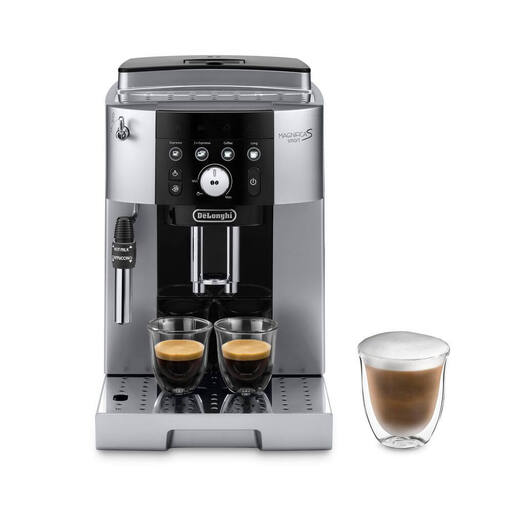 Image unavailable
De'Longhi Magnifica S Smart ECAM250.23.SB, silver bean-to-cup espresso machine
If you regularly make espresso from beans, check how much room you’ll need to fill the machine and remove its parts for cleaning. If you use the steam wand, remember to clean it after each use.
View on Joybuy
 Image unavailable
De'Longhi Magnifica Start ECAM220.21.WW, white bean-to-cup espresso machine
For everyday coffee made from beans, check that you can easily reach the water tank and trays where you plan to place the machine. If you’d also like to prepare milk-based drinks, check what’s involved in using the steam wand on this version.
View on Joybuy
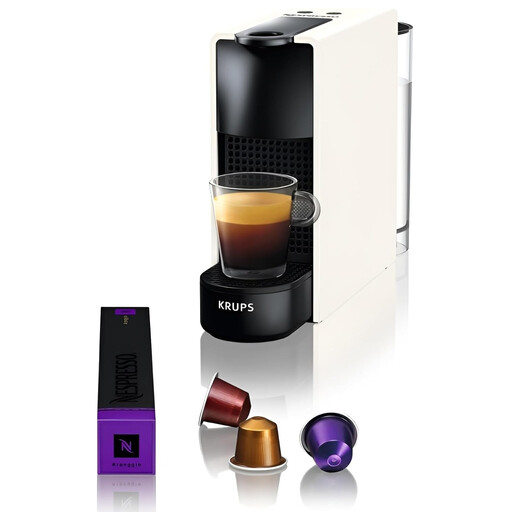 Image unavailable
KRUPS Nespresso Essenza Mini, white capsule machine, 0.6 L, 1200 W
If you want to make individual cups without measuring out coffee each time, check which capsule format is compatible with this version. The product title states that it has a 0.6 L water tank; remember that cleaning and descaling are still needed, as set out in the manual.
View on Joybuy
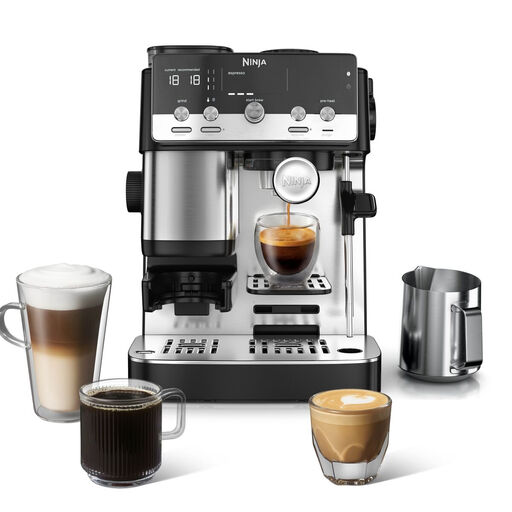 Image unavailable
Ninja Luxe Café Mini ES301EU, espresso and filter coffee machine with built-in grinder
If you’d like to switch between espresso and filter coffee without buying two separate machines, check how much space this version takes up. Confirm how its milk frother works before buying and remember to rinse the parts used after making your drink.
View on Joybuy
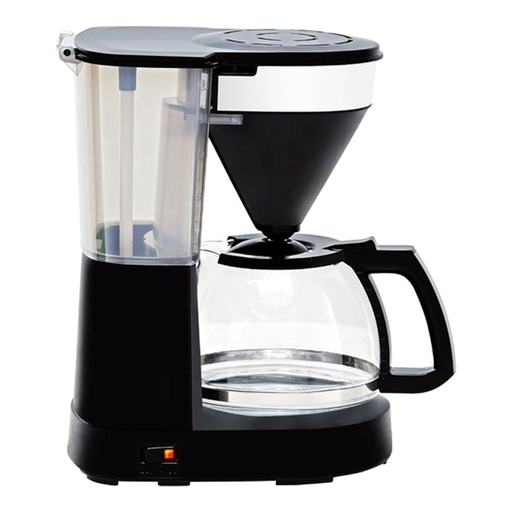 Image unavailable
Melitta Easy Top II, black filter coffee machine
If you’d rather brew filter coffee in a pot than make individual espressos, check the capacity of this version. You’ll also need compatible filters and enough access to the filter holder for cleaning.
View on Joybuy
Frequently asked questions
How often should you descale a coffee machine?
Follow the instructions for your model: how often you need to descale depends on factors including how much you use it and the water in your area. Nespresso recommends descaling its machines every three months or after around 300 capsules; this is only a guide and doesn’t replace the instructions for other brands.
Can a bean-to-cup machine fit in a small kitchen?
Yes, as long as you have enough room for the machine, filling the water tank, removing the trays and accessing the parts that need cleaning. UFC-Que Choisir says bean-to-cup machines are generally larger and noisier than capsule machines or filter coffee machines, so measure the space before you choose.
Can you recycle coffee capsules in France?
Yes. ADEME says aluminium and plastic capsules should go in the recycling bin provided for packaging. If you use a different type of capsule, check your local recycling guidance.
Which cleaning products should you have on hand?
It depends on the machine. You may need a descaling product, and some bean-to-cup machines also require products suited to their components. Check the manual to find out which products and steps are recommended, rather than following the same routine for every machine.


